
Leader Talks
Listen to our latest Leader Talks
Short audio conversations on leadership, management, and coaching, from the Leaderly team.

Conquering Indecisiveness
Leaderly
This microlesson provides strategies for overcoming indecisiveness by first identifying the root cause of the problem. It emphasizes setting clear goals, limiting choices, and embracing imperfection to make decision-making more confident and efficient. The lesson encourages the use of deadlines to combat procrastination and maintain momentum in decision-making.

The Real Life Lesson Great Gatsby
Steinbeck Leaderly MentalFlow
This amazing conversation offers an overview of F. Scott Fitzgerald's novel "The Great Gatsby," examining its enduring popularity, major themes, and leadership lessons. The discussion explores the novel's portrayal of the American Dream as an elusive and ultimately unattainable ideal, highlighting the dangers of pursuing success at the expense of authenticity and genuine relationships. The novel critiques the corruption and emptiness often associated with wealth, contrasting the dazzling exterior of the Roaring Twenties with its underlying moral decay. Through vivid imagery and compelling characters, "The Great Gatsby" offers timeless insights into human nature, love, loss, and the pursuit of happiness. Do you see the connection between morals and happiness?
The 7 Habits of Highly Effective People: An Overview
Stephen Covey
This discussion provides an overview of Stephen Covey's "The 7 Habits of Highly Effective People" by summarizing its key principles. Covey explains each of the seven habits in detail, which emphasize taking responsibility, setting goals, prioritizing tasks, seeking mutual benefit in relationships, practicing empathetic communication, collaborating effectively, and continuously improving oneself. The goal of this discussion is to provide a concise summary of the book and to encourage readers to apply these habits to their personal and professional lives.
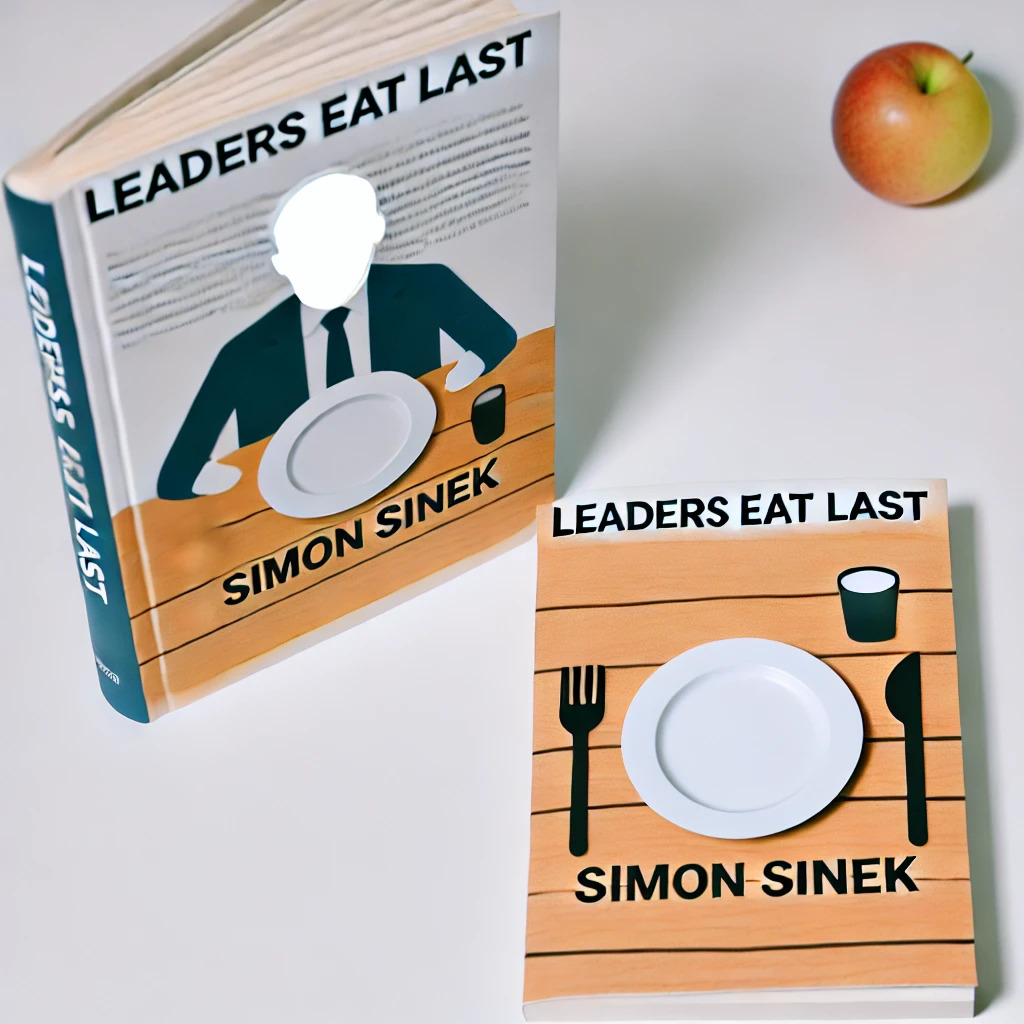
Leaders Eat Last: An Overview
Simon Sinek
This discussion presents an overview of Simon Sinek's book, "Leaders Eat Last," which emphasizes the importance of trust, collaboration, and prioritizing employee well-being in leadership. Sinek argues that leaders who create a "Circle of Safety" where employees feel secure and valued foster trust, cooperation, and innovation, leading to stronger, more resilient organizations. He also explores how biological chemicals like oxytocin and serotonin influence positive social behaviors, making empathy and consistent action essential for effective leadership.

Blink. Intuition as Personal Power
Malcom Gladwell Leaderly
What a conversation lesson! Hear a conversation class inspired by Malcolm Gladwell’s Blink. Learn the power of intuition and our unconscious mind can make remarkably accurate decisions based on limited information. The discussion introduces the concepts of “thin-slicing” and “priming” to explain how our brains can make quick judgments and how those judgments can be influenced by unconscious biases. Gladwell uses examples ranging from art experts to military commanders to highlight the potential benefits and pitfalls of intuitive decision-making, ultimately urging readers to develop a balance between intuition and deliberate analysis. Are you exercising your intuition as you learn to lead?
Speed of Trust: An Overview
Stephen Covey
This discussion provides an overview of Stephen Covey's book, The Speed of Trust. Trust is essential for building strong relationships and influences speed, cost, and effectiveness in both personal and professional contexts. The book emphasizes that building trust requires consistent behavior, honesty, transparency, and effective communication. It also highlights the importance of self-trust as the foundation for building trust with others, and describes the 13 behaviors exhibited by high-trust leaders that foster trust and successful relationships. The book concludes that trust is a learnable skill that can be developed through intentional practice, and restoring trust after it has been broken requires sincere effort and consistent behavior.

Safety as a Mindset
Leaderly
This discussion emphasizes the importance of a safety mindset in the workplace. It argues that safety is not merely following rules, but a proactive mental approach that involves constant awareness of potential hazards and a commitment to preventing incidents before they occur. This approach involves individual responsibility, open communication, and continuous learning to create a culture where everyone contributes to a safe and productive environment. The text highlights the key benefits of this mindset, including reduced accidents, improved morale, and increased productivity.

Six Crisis. What a Leader Experiences After the Battle
Leaderly
Based on Richard Nixon's book, "Six Crisis," this conversation class provides a detailed account of the six major crises he faced during his political career, highlighting the significant pressures and challenges of leadership. The discussion explores how these experiences shaped Nixon's leadership style and ultimately led to feelings of isolation, anxiety, and moral conflict. Listen in to the parallels between the psychological impact on Nixon and the emotional toll experienced by military leaders returning from combat, suggesting that leaders in high-stress environments may face similar mental health challenges, including PTSD. The lesson presents a framework for overcoming the effects of such crises through strategies like reflective leadership, seeking support, crisis management training, therapeutic interventions, and embracing vulnerability. Ultimately, the text emphasizes the importance of acknowledging the psychological toll of leadership and promoting mental well-being to ensure effective leadership in the long term.

Saying "Happy Holidays"
CulturePop
This discussion focuses on the importance of saying "Happy Holidays" as an inclusive greeting. The author argues that using this phrase acknowledges and respects the diverse religious and cultural traditions celebrated during the holiday season. "Happy Holidays" creates a welcoming and inclusive environment where everyone feels valued and respected, ultimately promoting a sense of belonging and fostering positive workplace culture.

Veterans in the Workforce
CulturePop
This discussion examines the benefits of employing veterans in the workforce. The conversation highlights seven key advantages that veterans bring to organizations, including strong leadership and teamwork skills, a robust work ethic, excellent problem-solving and adaptability, diverse perspectives, valuable technical skills, enhanced resilience and crisis management capabilities, and a commitment to ethical conduct. The dialogue also prompts reflection on how organizations can better support veterans transitioning into civilian careers. Does your culture pop with the abilities veterans can deliver?

Pursuing Leadership Positions
Leaderly and CulturePop
This discussion is designed to guide individuals on how to pursue leadership positions. It presents seven key strategies, including developing leadership skills, building a professional network, demonstrating initiative, seeking feedback and mentorship, understanding organizational culture, pursuing continuous learning, and cultivating emotional intelligence. By applying these strategies, individuals can position themselves as strong candidates for leadership roles and advance their careers within their organizations.

Honoring our Native Heritage
CulturePop
This discussion explains the importance of National American Indian and Alaska Native Heritage Month. The microlesson highlights the rich history, culture, and contributions of Native peoples to the United States, while also acknowledging the ongoing challenges faced by Native communities. It emphasizes the need to educate the public about Native history, foster respect and inclusion, and promote the preservation of Native languages and traditions. The lesson's objectives are to describe why the month is celebrated and explore how recognizing Native heritage enhances understanding of American history and culture.

The Meaning of Life Hidden in The Secret to Lead
Herman Hesse Leaderly
This amazing conversation is based on Hermann Hesse's novel "Narcissus and Goldmund," which tells the story of two contrasting friends: Narcissus, a dedicated and intellectual monk, and Goldmund, a restless artist who seeks out worldly experiences. The story explores themes of spirituality, sexuality, and the search for meaning in life. The discussion offers insights into the characters' contrasting approaches to life and highlight leadership lessons that can be drawn from their experiences, emphasizing the importance of embracing duality, practicing selfless compassion, maintaining humility, and valuing the power of friendship. It’s one of the best conversations you will ever hear.

Promoter or Prosecutor? The Science of Leading Change
CulturePop Leaderly
This incredible conversation explores the effectiveness of two leadership styles, the promoter personality and the prosecutor personality, especially during times of great change. They argue that promoter personalities, who are charismatic and supportive, are often more effective in facilitating change due to their ability to inspire and motivate their teams. In contrast, prosecutor personalities, who are results-oriented and strict, may encounter resistance during periods of change due to their potentially stifling approach. The discussion supports this claim by referencing studies that suggest transformational leadership, which aligns with promoter traits, fosters commitment and adaptability during change, while overly authoritative approaches, aligning with prosecutor traits, can stifle innovation and morale. How well do you promote?

No Excuse Leadership
Leaderly
This discussion explores the concept of a "no excuse" leadership style, outlining the advantages of adopting this mindset. The text emphasizes the importance of personal responsibility, resilience, and clear goal setting, arguing that these attributes foster a culture of accountability, trust, and team commitment. No-excuses leaders are portrayed as decisive and self-reflective, inspiring their teams to embrace challenges, overcome obstacles, and strive for continuous improvement.

Dealing with Uncertainty
Leaderly
This discussion outlines the strategies for managing uncertainty. It explores how adopting a growth mindset, practicing flexibility, building resilience, prioritizing controllable factors, setting short-term goals, seeking support, and staying informed while being discerning can help individuals cope with unpredictable situations. The source encourages readers to reflect on how they handle uncertainty and how improving their approach could impact their confidence and resilience.

Leading with Agility
Leaderly
This discussion outlines the key principles of leading with agility, emphasizing its adaptability to change and empowerment of teams. The text covers seven main ideas: flexibility, empowering decision-making, continuous learning, resilience, prioritizing stakeholders, experimentation, and clear communication. Agile leadership, as presented, encourages a proactive, responsive, and adaptable approach to challenges, ultimately leading to team growth and success.

The Five Dysfunctions of a Team
Patrick Lencioni
This discussion of Patrick Lencioni's theory, "The Five Dysfunctions of a Team," outlines the five key obstacles to effective teamwork: lack of trust, fear of conflict, lack of commitment, avoidance of accountability, and inattention to results. The dialogue argues that addressing these dysfunctions through open communication, constructive conflict, and a focus on shared goals is essential for building strong and high-performing teams. This conversation encourages reflection on personal experiences with team dynamics and how the principles from Lencioni can be applied to improve team performance.

The 48 Laws of Power
Robert Greene
This conversation will fascinate! The 48 Laws of Power details the laws for attaining power in life, business, and more, and gives historical examples of each law in practice, as well as examples of those who do not respect them. That said, they are all grounded in the reality of human nature, and it's more important to understand them, and then choose how, when, and which to apply, than to just remain ignorant of them and refuse to acknowledge they exist. Leaders understand influence and personal, do you?

Lead as an Optimal Athlete
Leaderly
This Leaderly conversation explores the characteristics and habits that contribute to the success of student-athletes, emphasizing the importance of continuous learning. The discussion identifies key traits like time management, resilience, a strong work ethic, and goal-setting as crucial for balancing academics and athletics. Research backed dialogue reinforces the need for platforms like the Leaderly app that offer tools and resources for personal and professional development, enabling student-athletes to enhance skills, develop leadership qualities, build mental resilience, foster support networks, and prepare for life after sports.

The Opposite of Loneliness to Struggle Happy
MentalFlow Leaderly
The Opposite of Loneliness" by Marina Keegan is a collection of essays and stories that explore the feelings and experiences of growing up, focusing on themes like loneliness, connection, and the longing for belonging. Keegan's authentic voice and the tragic circumstances surrounding her death have resonated deeply with readers. This conversation highlights the importance of building connections and fostering vulnerability within teams, lessons that leaders can learn from. "Struggle Happy" by Ana Bartkiewicz complements Keegan's work by focusing on finding happiness through the challenges of life, emphasizing resilience and the importance of embracing difficulties as a pathway to personal growth. This conversation class delivers valuable perspectives on overcoming loneliness and finding joy in the complexities of human experience.