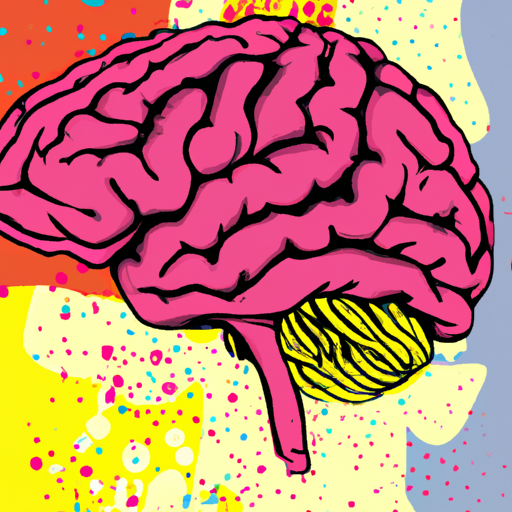
Leadership is a complex endeavor that requires individuals to effectively navigate challenges, make decisions, and inspire others. However, the role of mental wellbeing in leadership success is often overlooked. In this article, we explore the intersection between neuroscience and leadership, specifically focusing on the impact of mental wellbeing on effective leadership.
1. The Neuroscience of Mental Wellbeing:
Neuroscience provides valuable insights into the intricate workings of the brain and its connection to mental wellbeing. Understanding the neurobiological processes involved in emotions, stress, resilience, and decision-making can help leaders recognize the importance of mental wellbeing in their roles.
2. The Impact of Mental Wellbeing on Leadership Performance:
Research suggests that leaders with high levels of mental wellbeing are more likely to demonstrate effective leadership behaviors, such as clear communication, empathy, and problem-solving skills. Mental wellbeing influences cognitive functions, emotional regulation, and social interactions, all of which are essential for effective leadership.
3. Neuroplasticity and Leadership Development:
Neuroplasticity refers to the brain's ability to adapt and change throughout life. Leaders can harness the power of neuroplasticity to cultivate mental wellbeing and enhance their leadership capabilities. By engaging in activities that promote neuroplasticity, such as learning new skills, seeking diverse perspectives, and practicing mindfulness, leaders can optimize their brain's functioning and promote mental wellbeing.
4. Emotional Intelligence and Leadership:
Emotional intelligence, which encompasses self-awareness, self-regulation, empathy, and social skills, is a critical aspect of effective leadership. Neuroscience research has shown that emotional intelligence is closely linked to brain areas responsible for emotional processing and social cognition. By developing emotional intelligence, leaders can enhance their mental wellbeing and build strong relationships with their team members.
5. Stress and Resilience:
Leadership roles often involve high levels of stress. Chronic stress can have detrimental effects on mental wellbeing and leadership performance. However, neuroscience offers insights into stress management and resilience-building strategies. Leaders can learn to regulate their stress responses, practice self-care, and develop resilience to effectively cope with the demands of their roles.
6. The Role of Mindfulness in Leadership:
Mindfulness practices have gained significant attention in recent years due to their positive impact on mental wellbeing. Neuroscience research has shown that mindfulness can reduce stress, enhance attention and focus, and improve emotional regulation. Incorporating mindfulness into leadership practices can help leaders cultivate mental wellbeing and lead with clarity and presence.
Neuroscience provides valuable insights into the impact of mental wellbeing on effective leadership. By understanding the neurobiological processes underlying emotions, stress, resilience, and decision-making, leaders can prioritize their mental wellbeing and optimize their leadership performance. Developing emotional intelligence, harnessing neuroplasticity, managing stress effectively, and practicing mindfulness are all strategies that leaders can employ to enhance their mental wellbeing and lead with excellence. By prioritizing mental wellbeing, leaders can create positive work environments, inspire their teams, and achieve meaningful impact in their roles.