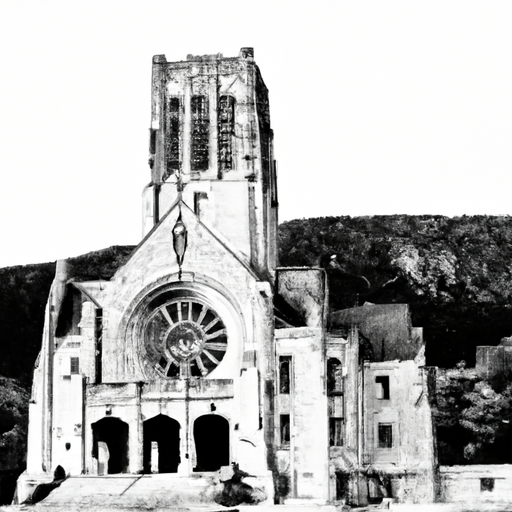
After 35 years, West Point can heal as much as it can haunt. The mystic place is alive, timeless and true, looking over your shoulder to perpetuate the promise that a life of character is worth living, no matter what. But under some circumstances losing the character condition might even kill you.
I started my recent 35th West Point reunion shy, even timid, having gone so long without the connective tissue of these friends and fellow travelers. The gathering quickly reminds me that we struggled alone, together. We were introduced decades ago to the seeds of character, but maybe not the subtle science of it.
By mid-reunion I feel joy and gratitude, chuckling without even knowing what’s funny. The laughter was like exhaling for the first time in 5 years, with the response being instinctual, natural and beautiful. The feeling of such clarity in conversation and conviction had been too absent for too long.
My old friends mirror back to me a version of my former self, my best version - the emerging me as both potential and imperfection; a man of possibilities refining my character at the height of adversities. Character was contagious.
As the reunion winds down I am already feeling sadness and melancholy long before we all depart. My friends gave me hope and the place offered me resolve. We departed with the collective pulse that it was all worth it, the delicate and difficult four years to craft and create ourselves, to venture to adventure. The granite buildings looked just as rigid after these many years but their gray color seems softer, even easier on the eyes. Character felt kind.
I always feel like there is an aura at West Point, something in the skyline and surrounding mountains that marks your tiny insignificant presence as if you matter…and you still matter. What you have left to offer life is not running low at all, but the proper reserve and resolve to still contribute something very positive to the world.
The dimension, size or scale of your remaining contribution to humankind will not be judged by the gods of Odin, but by the quiet clarity of your character. Your time tested character sets the proper, but impatient cadence to still care enough to love, lead and serve others who want you (need you) in their lives.
As classmates we are more whole when we are together. But we all know it’s sometimes lonely out there, away from West Point, having learned through hardship and success that a life of character can be days, weeks and years of quietly questioning and reflecting. Trying can be tiring, especially as the years roll by and our connectivity frays.
Having lost several of our classmates (some sadly by their design) and myself having struggled for some time (knowing fully I am not the only one), I realize that the post-USMA, post-military life can cast a long shadow. This shadow can both haunt and heal, and any one of us can land on either side of that outcome. I am certain most of us toggle between both destinations of the character condition over the span of our adult lives.
The difference in the outcomes amongst us is partly determined but what we individually experienced during West Point and of course the military. The other factors that determine where we land on that character spectrum are being learned by me now, in earnest, but those factors have been in play in my life for the last 35 years. I consider these factors the dualities of the West Point experience; the mystery and the message, the pleasure and the pain, the light and the darkness, the achievement and the abyss.
Many classmates never come back to West Point. I get that. Some classmates retreat, even disappear. Some delight in connecting again while others are repulsed. Why is that? I don’t think it was because of the hardship of the experience but something much deeper - something eluded to in our assembly briefing during the character discussion. We lose touch and lose faith in the condition of character just when we need most in our lives.
While I mostly regaled with friends during my reunion, I also spent extended time walking alone through the areas, with the patience to even wait until sunset at Camp Buckner before being the last one to leave. I had enough glimpses of the past and the surroundings of West Point to with live an unexpected outcome this year. Character spoke to me, and released me.
Through my own experience, research and personal navigation I have a theory. One day soon I hope to dedicate enough time to fully shape and share the understanding, for me and for others. It may offer one more recent perspective about the nature of the character condition specific to the West Point graduate.
Without the connective tissue of my USMA friends I would never truly understand the mystical depths of character and its connection to pursuing, or losing, purpose in one’s life. Character can lift and it can crush just as easily.
Like most classmates, I have experienced no shortage of character crushing events over the last 35 years. It seems to me that a dimension of mental health (maybe even PTSD) that it is not always function of danger but also of disappointment, dislocation, disconnection and distance. As headwinds push back on our character condition over the decades, we risk going from feeling everything to feeling nothing. And when we feel less, we inevitably perform, care and think less. We shrink.
The depletion or disappearance of our character condition, of missing a real purpose anymore, taps a concept that could redefine another way to look at PTSD. PTSD = P-purpose, T-akes, S-erious, D-etermination. When we lose purpose after years of conditioning for it, of preparing it, of living and sleeping it, something happens to us gradually and invisibly. Our character crushes us. We disappear.
The West Point reunion reminded me there is still much more to know, do and be. The call to character is persistent whether you want it to be or not. If you align yourself to it, unusual levels of adrenaline and acuity become present again. If you ignore it, then the feeling of wet wool on your neck doesn’t go away.
Maybe character as a condition offers an accessible remedy to reframe and redefine what the USMA experience can be long after we throw our hats in the air. Perhaps there is room for a USMA mental performance innovation lab, to reframe what we can achieve in a world that needs what USMA graduates can offer deep into their lifetimes. Too many West Point graduates (and veterans at large) have disappeared from a society that desperately needs their previous connection to purpose, to the condition of character.
The mental health and happiness correlation to character may offer a more inviting alternative of what could be the remains of the gray; the healthy and necessary connection to character, and to align with the many others still pursuing that condition.
This weekend at West Point left my head tired but my heart full. It was indelible, truly haunting but still happy. The contagion of character was present for all to feel. It was medicine and memories in one dose.
Like the aftermath of previous reunions, I already know my mind will be consumed with the remains of the gray, nudging me to recall and reconcile as best I can, in the hope it may help someone else remember and regain the best of their remains.
- Drew Bartkiewicz, CEO of Leaderly, Veteran and West Point graduate