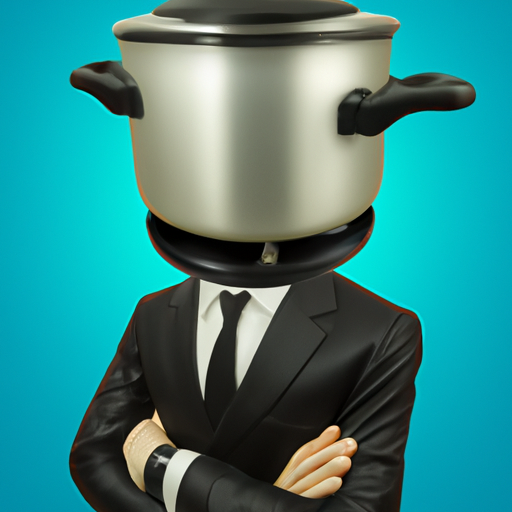
Leadership is a complex journey, often taken amidst the turbulent seas of change and challenge. It's a path filled with ups and downs, victories and setbacks. One aspect that separates great leaders from the rest is their ability to remain composed and effective under pressure. As a cognitive-behavioral psychologist, I've explored the fascinating intersection of psychology and leadership. In this article, we'll delve into why understanding and learning about your own reactions under pressure is essential to develop the leadership skills necessary to thrive in demanding situations.
The Pressure Cooker Effect: Why Understanding Your Reactions Matters
Imagine this scenario: deadlines are looming, tensions are high, and decisions need to be made quickly. This is where leadership is truly put to the test. Under pressure, our true selves often emerge, revealing our strengths and vulnerabilities.
Understanding your reactions under pressure is like having a compass in a storm. It allows you to navigate the chaos and make thoughtful decisions. It also enables you to identify areas where personal growth is needed, fostering continuous improvement as a leader.
Emotional Intelligence: The Key to Effective Leadership
Effective leaders are not immune to stress, but they do possess a high degree of emotional intelligence: the ability to recognize and manage your own emotions and those of others. This skill becomes indispensable when leading a team through challenging times.
By understanding how you react when the heat is on, you can develop strategies to regulate your emotions. This self-awareness not only keeps you grounded but also sets an example for your team. When leaders maintain composure, it encourages their team members to do the same.
The Art of Decision-Making
Under pressure, decision-making can become a daunting task. It's easy to succumb to impulsive choices or to be paralyzed by fear. However, leaders who understand their reactions can make better decisions.
Knowing your tendencies—whether you tend to be overly cautious or rush into decisions—helps you find a balance. By assessing the situation and recognizing your emotional state, you can make informed decisions that are more likely to lead to positive outcomes.
Effective Communication in High-Stress Situations
Communication is a cornerstone of leadership, particularly when the stakes are high. Your ability to convey a clear message, listen actively, and provide reassurance can make or break a team's morale and performance.
Understanding how pressure impacts your communication style is pivotal. Some individuals become more assertive, while others withdraw. Learning about your tendencies allows you to adapt your communication to the needs of the moment, maintaining open and effective lines of communication with your team.
Resilience and Growth
Leadership is not a destination; it's a journey of continuous growth and development. Embracing your reactions under pressure as opportunities for growth can be transformative.
When leaders learn from their experiences, they become more resilient. They use setbacks and challenges as stepping stones to further their leadership skills. This adaptability is what sets great leaders apart, as they can guide their teams through any storm.
To bring it all together:
Leadership under pressure is where the true mettle of a leader is tested. As a cognitive-behavioral psychologist, I emphasize the importance of understanding and learning about your own reactions in high-stress situations. This self-awareness is the foundation upon which emotional intelligence, effective decision-making, communication, and resilience are built.
Therefore, when you encounter challenging leadership situations, keep in mind that your self-awareness functions as a guiding compass. Embrace your responses, extract valuable insights from them, and navigate your way toward smoother waters. By doing so, you'll not only enhance your leadership skills but also motivate and guide your team to success, even in the face of seemingly insurmountable obstacles.
Alejandro Sancha, Psychologist & Neuropsychologist. Leaderly Faculty.