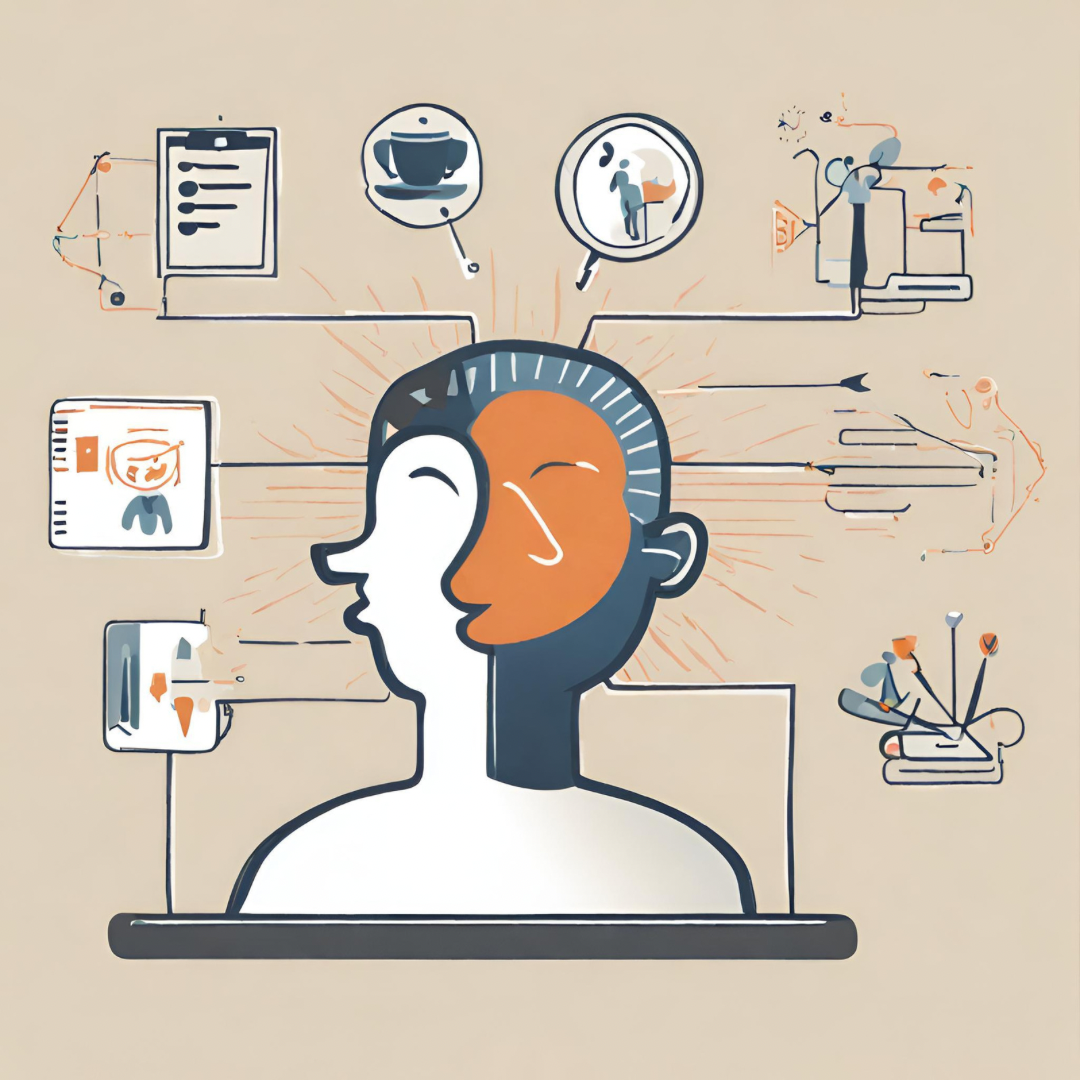
In the intricate web of life, we are constantly faced with decisions that shape our future. From choosing a career path to deciding what to have for breakfast, our lives are a culmination of countless choices. What sets apart effective decision-makers from the rest is a deep understanding of themselves, commonly referred to as self-awareness. In this article, we will explore the significance of self-awareness in decision-making and how it can lead to better outcomes.
Understanding Self-Awareness
Self-awareness is the ability to recognize and comprehend your own thoughts, emotions, and behaviors. It involves introspection and an honest assessment of one's strengths, weaknesses, values, and goals. This self-knowledge provides a solid foundation for informed decision-making.
1. Aligning Decisions with Values
Self-aware individuals have a clear understanding of their core values. When faced with a decision, they can assess whether the choices at hand align with these values. This alignment helps ensure that decisions are in harmony with one's deeper principles, leading to a sense of fulfillment and purpose.
2. Recognizing Biases and Emotions
We all carry biases and emotions that can cloud our judgment. Self-awareness allows us to recognize these biases and emotions as they arise. By acknowledging them, we can take steps to mitigate their influence on our decisions, resulting in more rational and objective choices.
3. Assessing Strengths and Weaknesses
Knowing your strengths and weaknesses is crucial for making decisions that leverage your skills and compensate for your limitations. Self-awareness helps you capitalize on your strengths and seek assistance or alternative solutions where you are lacking.
4. Better Communication
Effective decision-making often involves collaboration and communication with others. Self-awareness aids in recognizing how our communication style and decisions impact those around us. This awareness can foster more constructive interactions and improve decision outcomes.
5. Managing Stress and Anxiety
The ability to manage stress and anxiety is vital when making important decisions. Self-aware individuals can identify when stress is affecting their judgment and take steps to address it, resulting in calmer and more considered choices.
Cultivating Self-Awareness
Enhancing self-awareness is an ongoing process. It involves practices such as journaling, meditation, seeking feedback from trusted individuals, and self-reflection. Taking time to explore your thoughts, emotions, and experiences can lead to a deeper understanding of yourself.
Self-awareness is a powerful tool in the decision-making toolkit. It enables individuals to make choices that are in line with their values, free from the influence of biases and emotions, and based on an accurate assessment of their strengths and weaknesses. By practicing self-awareness, you can not only make better decisions but also lead a more purposeful and fulfilling life. So, the next time you find yourself at a crossroads, remember that the path to better decisions starts with knowing yourself.