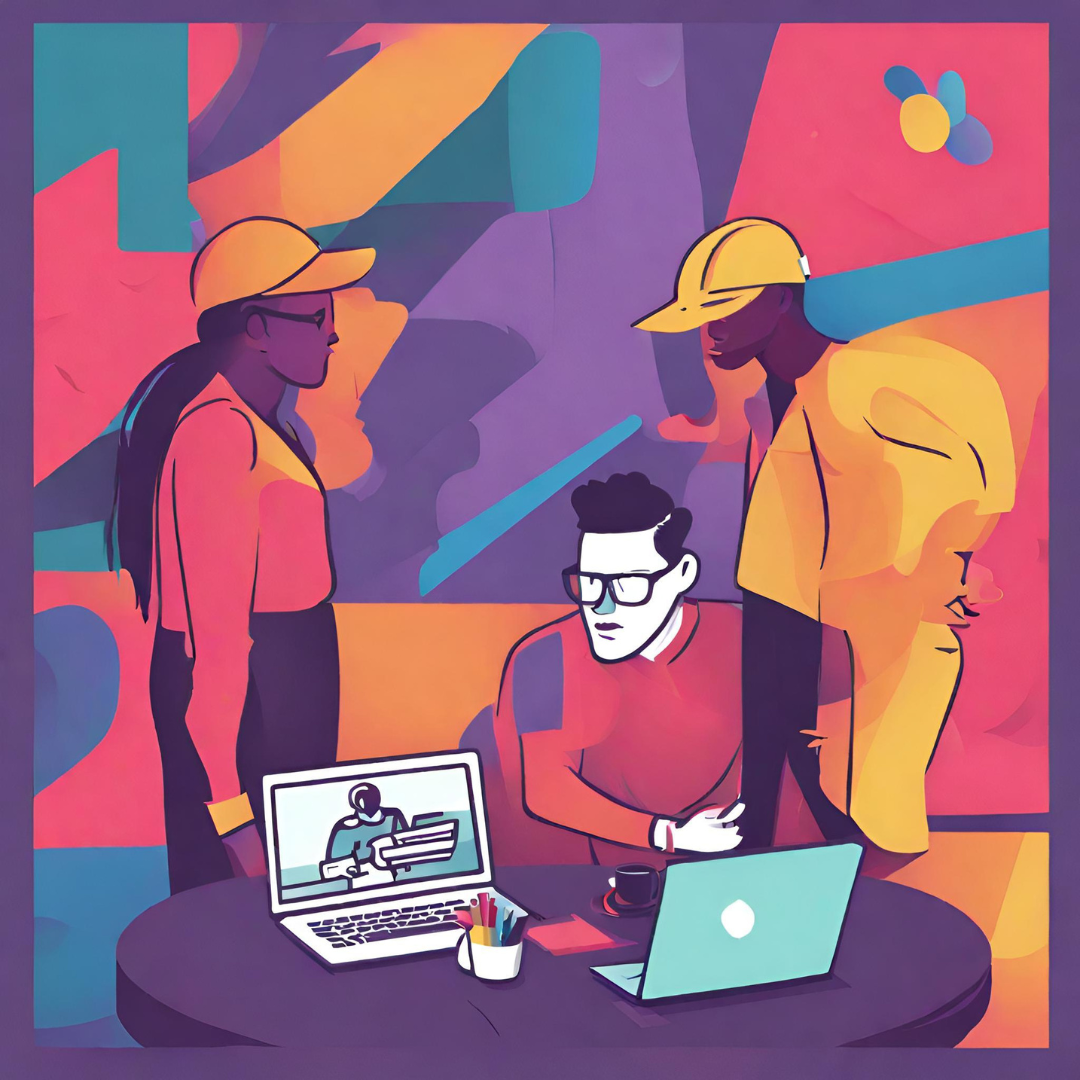
In the ever-evolving landscape of the modern workforce, mentorship has always played a pivotal role in the growth and development of professionals. It's a timeless practice that helps individuals navigate their careers, gain new skills, and receive valuable guidance from experienced mentors. However, the emergence of the "Hybrid Generation," a term used to describe the cohort of workers who seamlessly blend traditional in-person work with remote and digital components, has called for a reevaluation of traditional mentorship practices.
A significant aspect of this reevaluation lies in recognizing that mentorship need not be confined to the traditional, hierarchical model. As Linda Hill, a renowned professor at Harvard Business School, aptly puts it: "The Hybrid Generation doesn't require mentors who are just above them in the hierarchy. Instead, they need lateral mentors – those who can guide them across disciplines and skills, irrespective of seniority." In this digital age, mentorship has evolved to become more fluid and agile, allowing professionals to seek guidance from a broader spectrum of sources.
This paradigm shift is crucial because the Hybrid Generation, consisting of both digital natives and those who adapted to new technologies later in their careers, operates in a dynamic environment. The skills and knowledge needed are continually evolving, and the need for mentorship has to adapt accordingly. These individuals value a diverse set of skills, from technical proficiency to soft skills like adaptability, critical thinking, and effective communication. Traditional mentors might excel in one area but lack the expertise in others, making it essential to turn to different mentors for specific guidance.
Furthermore, the digital world offers unique opportunities for mentorship. Online communities, virtual networking events, and remote collaborations enable the Hybrid Generation to access mentors worldwide. This access to a global pool of talent can provide an extensive array of perspectives and insights that a single traditional mentor might not be able to offer.
The core of redefining mentorship for the Hybrid Generation is embracing the concept that mentorship is not one-size-fits-all. It's about being open to diverse sources of guidance and adapting to the evolving needs of the workforce. As Professor Hill wisely states, "Mentorship in the hybrid age is a mosaic, with different mentors contributing their unique pieces to help the individual build a more comprehensive and adaptable skillset." By encouraging individuals to seek mentors based on their specific needs, whether through traditional channels or digital platforms, we can empower the Hybrid Generation to thrive in an ever-changing professional landscape.
Mentorship is not a static, hierarchical process in the Hybrid Generation. It's a dynamic and flexible practice that can adapt to individual needs and evolving skills. In the words of Linda Hill, "In the digital age, mentorship is a mosaic of guidance, an ever-changing picture where professionals assemble their mentors to create a comprehensive, adaptable skillset." As we continue to redefine mentorship for this generation, we should celebrate the diversity of skills and experiences and foster a culture of continuous learning and growth.