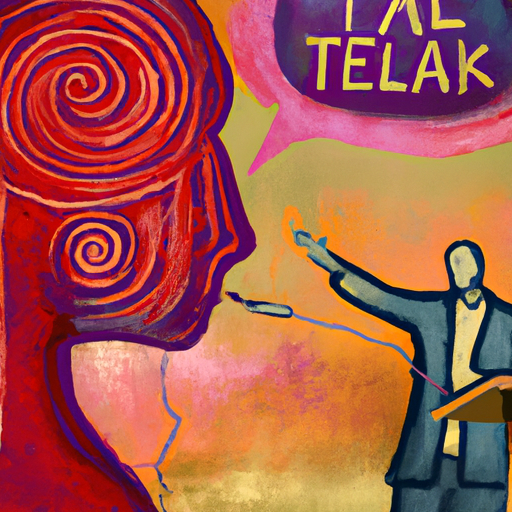
Communication skills play a pivotal role in creating a positive, productive, and inspiring work environment. Effective leaders understand that it is not just about the message itself, but also how it is delivered. This article highlights the importance of communication skills in leadership development, focusing on both verbal and non-verbal communication and the significant impact the form of communication can have on its reception.
1. The Power of Verbal Communication:
Verbal communication forms the foundation of effective leadership. This section emphasizes the importance of clear, concise, and articulate speech. Leaders must be able to effectively convey their thoughts, ideas, and expectations to their team members. Active listening, asking clarifying questions, and providing constructive feedback are key components of effective verbal communication. By mastering these skills, leaders can foster understanding, collaboration, and trust within their teams.
2. Non-Verbal Communication: The Unspoken Language:
While words carry meaning, non-verbal communication often speaks louder than the spoken word. This section highlights the impact of body language, facial expressions, gestures, and tone of voice on the overall message. Leaders must be aware of their non-verbal cues to ensure they align with their intended message. Maintaining eye contact, displaying open body language, and using appropriate facial expressions can enhance trust and engagement. Leaders can also learn to read and respond to non-verbal cues from their team members, fostering effective communication and building stronger relationships.
3. Form: The Art of Delivery:
The form in which a message is delivered can significantly influence its reception and impact. This section emphasizes the importance of considering the timing, context, and medium of communication. Leaders should adapt their communication style based on the situation and the preferences of their team members. Whether it is a face-to-face meeting, a well-crafted email, or a virtual conference, understanding the most effective form of communication ensures the message is delivered and understood in the intended manner.
4. Empathy: The Foundation of Effective Communication:
Empathy is a critical skill for successful leaders and an essential aspect of effective communication. This section explores how empathy allows leaders to understand and connect with their team members on a deeper level. By actively listening, demonstrating understanding, and considering others' perspectives, leaders can foster trust and create an environment where open and honest communication flourishes. Empathetic leaders are more approachable, accessible, and able to address concerns and challenges effectively.
5. Conflict Resolution: Navigating Challenges through Communication:
Conflicts are an inevitable part of any team dynamic. This section emphasizes the role of effective communication in conflict resolution. Leaders must possess the ability to address conflicts promptly, objectively, and respectfully. Active listening, open dialogue, and finding common ground are crucial in resolving conflicts and maintaining harmonious working relationships. By addressing conflicts through effective communication, leaders demonstrate their ability to handle challenging situations and inspire trust within their teams.
Effective leadership is inseparable from effective communication. The way leaders communicate, both verbally and non-verbally, greatly impacts their ability to inspire, motivate, and guide their teams. By mastering the art of communication, leaders can foster understanding, collaboration, and trust. Whether it is through clear verbal communication, mindful non-verbal cues, adapting the form of communication, practicing empathy, or resolving conflicts, leaders can develop their communication skills to become more influential and successful in their leadership roles.