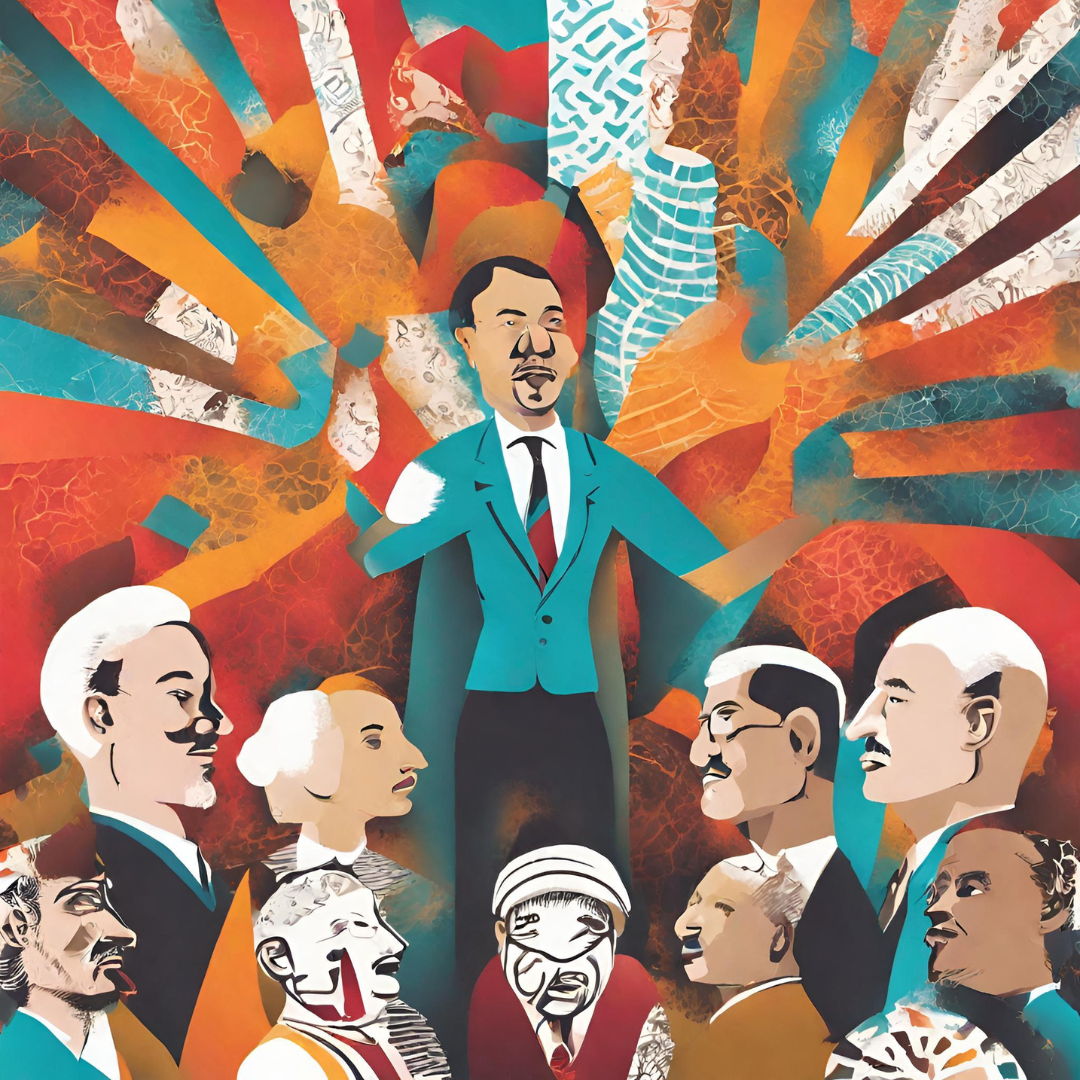
In today's globalized world, leadership often extends beyond borders and into the diverse and interconnected tapestry of different cultures. As businesses expand internationally and teams become more multicultural, the ability to lead across cultures has become a vital skill for successful leaders. To effectively navigate this intricate terrain, leaders must learn to adapt their leadership style to accommodate various cultural norms and preferences.
Cultural Intelligence (CQ):
Cultural Intelligence (CQ) is the ability to understand, appreciate, and effectively work with people from different cultural backgrounds. It involves adapting your leadership style to suit the needs and expectations of your team members. CQ is an essential skill for leaders aiming to create inclusive, high-performing teams that can thrive in a global environment.
Awareness and Empathy:
The first step in leading across cultures is to be aware of your own cultural biases and assumptions. Understanding that your perspective is just one of many is crucial. It's vital to be open to the fact that others may have different communication styles, values, and ways of problem-solving.
Empathy is key to navigating these cultural differences. Leaders should strive to put themselves in the shoes of their team members and seek to understand their perspectives. This empathy can foster trust and build better relationships.
Communication Styles:
One of the most noticeable differences across cultures is communication style. Some cultures are more direct and explicit, while others are indirect and rely on non-verbal cues. Leaders must be flexible in their communication, ensuring that they convey their messages clearly while being sensitive to how their words are received.
Leadership Approach:
Leadership approaches can also vary widely across cultures. Some cultures value hierarchical structures and expect clear direction from their leaders, while others prefer a more collaborative and participatory leadership style. Effective cross-cultural leaders adapt their approach to align with the cultural preferences of their team members, balancing the need for clear guidance with the importance of involving team members in decision-making.
Time and Scheduling:
Cultural attitudes toward time and punctuality differ significantly. Some cultures prioritize strict adherence to schedules, while others may have a more relaxed attitude towards time. Leaders should be sensitive to these differences, and when possible, create schedules and expectations that accommodate the diverse views on time.
Conflict Resolution:
Conflict resolution is another area where cultural differences can be challenging. Some cultures prefer direct confrontation, while others avoid open conflict at all costs. Leaders should be adept at recognizing these preferences and adapting their conflict resolution style accordingly, fostering a harmonious and productive work environment.
Continuous Learning:
Cultivating cultural intelligence is an ongoing process. Effective leaders invest in continuous learning and self-improvement to stay attuned to the evolving dynamics of their multicultural teams. They seek feedback from team members and proactively address any misunderstandings or conflicts that may arise due to cultural differences.
Leading across cultures is a multifaceted skill that requires a combination of self-awareness, empathy, adaptability, and a willingness to learn. As the world becomes more interconnected, leaders who can adapt their style to accommodate cultural diversity are better positioned to build strong, inclusive teams and drive success in the global marketplace. By embracing cultural intelligence, leaders can bridge gaps, strengthen relationships, and create an environment where everyone can contribute their best, regardless of their cultural background.