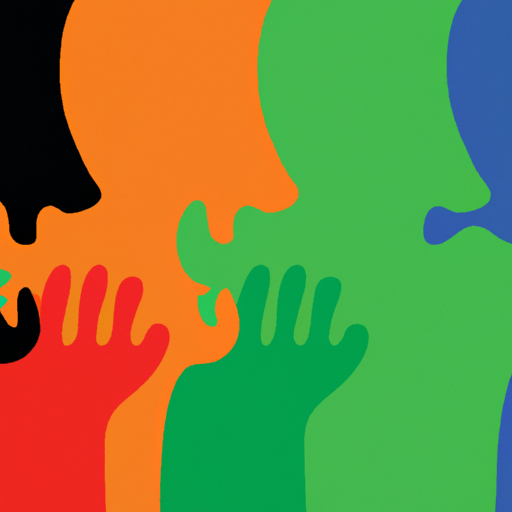
The tapestry of human history is woven with threads of diverse generations, each contributing a unique hue to the overall narrative. Generational differences, shaped by distinct socio-economic, technological, and cultural landscapes, play a pivotal role in shaping the collective identity of societies.
One of the most studied aspects of generational disparities lies in communication styles. Traditionalists, born between 1928 and 1945, often value face-to-face interactions and formal communication. Baby Boomers, born between 1946 and 1964, witnessed the rise of television and mass media, influencing their worldview. Generation X, born between 1965 and 1980, experienced the advent of personal computers, fostering a more individualistic and pragmatic communication approach.
Enter the Millennials, born between 1981 and 1996, who embraced the internet’s transformative power, redefining how information is accessed and shared. Their successors, Generation Z, born after 1997, grew up in a hyper-connected digital era, fostering a deep integration of technology into daily life. The result is a kaleidoscope of communication preferences, from the succinctness of a text message to the depth of a face-to-face conversation.
Workplace dynamics also reflect generational nuances. Traditionalists, shaped by post-World War II stability, often exhibit loyalty and a strong work ethic. Baby Boomers, influenced by social movements, seek meaningful work. Generation X, often labeled the “latchkey generation,” values work-life balance. Millennials, in contrast, prioritize flexibility and purpose-driven work, challenging traditional hierarchical structures.
Technological advancements contribute significantly to generational gaps. Older generations may marvel at the speed of information exchange, while younger ones navigate effortlessly through a digital landscape. These disparities, however, can foster cross-generational learning, where older individuals share wisdom, and younger ones impart technological expertise.
Cultural shifts also mold generational identities. Attitudes towards diversity, inclusivity, and societal norms evolve over time. The silent generation may have witnessed the civil rights movement, while Millennials champion social justice causes. Understanding these variations fosters empathy and bridges gaps, creating a more harmonious coexistence.
Generational differences are the threads that weave the fabric of human experience. Embracing diversity in thought, communication, and values paves the way for a richer, more interconnected society. As the tapestry of time unfolds, acknowledging and appreciating these distinctions becomes paramount in fostering a world where each generation contributes its unique brilliance to the grand mosaic of existence.