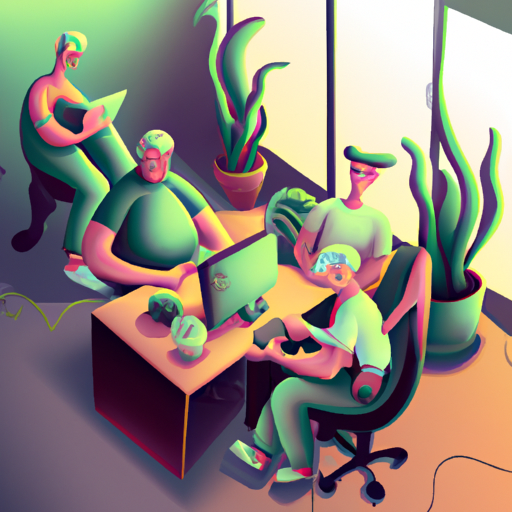
Generational diversity within the workplace is more prevalent than ever, with Baby Boomers, Generation X, Millennials, and Generation Z working side by side. While this diversity brings a wealth of perspectives, experiences, and skills, it also presents unique challenges. Understanding and harnessing generational diversity is crucial for fostering a harmonious and productive work environment.
Challenges of Generational Diversity:
1. Communication Styles:
Different generations often have distinct communication preferences. Baby Boomers may prefer face-to-face interactions, while Millennials and Gen Z may lean towards digital communication. Bridging this gap requires adopting a flexible approach to communication channels and styles.
2. Work Ethic and Values:
Each generation has been shaped by unique historical events and cultural shifts, influencing their work ethic and values. Balancing traditional and progressive work approaches can be challenging, but it is essential for promoting collaboration and mutual respect.
3. Technological Divide:
The rapid evolution of technology has created a digital divide among generations. Younger employees may be more tech-savvy, while older colleagues might find it challenging to adapt. Encouraging cross-generational knowledge sharing can help bridge this gap.
Harnessing Generational Diversity:
1. Promote Inclusive Leadership:
Fostering an inclusive leadership style that values and appreciates diverse perspectives is crucial. Leaders should actively seek input from employees of all generations and create an environment where everyone feels heard and valued.
2. Facilitate Cross-Generational Mentorship:
Establishing mentorship programs that pair employees from different generations can facilitate knowledge transfer and create a culture of learning. This enables seasoned professionals to share their experience while benefiting from the fresh perspectives of younger colleagues.
3. Flexibility in Work Practices:
Recognize and accommodate varying work styles and preferences. Offering flexible work arrangements, such as remote work options or flexible hours, can cater to the diverse needs and priorities of different generations.
4. Continuous Learning Initiatives:
Implement ongoing training programs to address the technological gap and keep employees of all generations updated on industry trends. This not only enhances individual skills but also promotes a culture of continuous learning.
Successfully navigating generational diversity requires a proactive and inclusive approach. By acknowledging the unique strengths of each generation and fostering a collaborative environment, organizations can harness the power of diversity to drive innovation, enhance productivity, and create a workplace that thrives on the strengths of its multi-generational workforce.