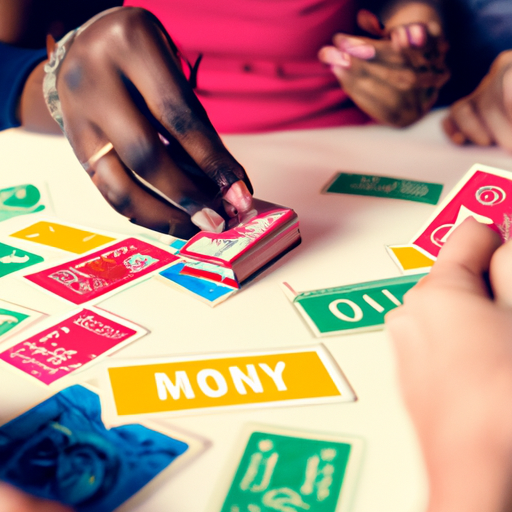
In the modern business landscape, sales teams are constantly seeking ways to motivate and engage their members to achieve exceptional results. One strategy that has gained popularity in recent years is sales gamification, which involves applying game elements and mechanics to the sales process to encourage healthy competition and drive performance. Sales gamification has proven to be an effective tool for engaging and inspiring sales teams, leading to increased productivity and improved results.
Gamification taps into the intrinsic human desire for competition, achievement, and recognition. By incorporating elements such as leaderboards, badges, rewards, and challenges, sales teams can create a sense of excitement and motivation among team members. This not only enhances their performance but also fosters a positive and competitive team culture.
One of the key benefits of sales gamification is its ability to drive sales team collaboration and camaraderie. By introducing team-based challenges and competitions, sales professionals are encouraged to work together, share best practices, and support each other's success. This collaborative environment not only improves overall team performance but also creates a sense of unity and shared goals within the sales team.
Sales gamification also provides real-time feedback and performance measurement. Through leaderboards and progress tracking, sales professionals can easily see their individual and team performance in relation to others. This immediate feedback allows them to identify areas for improvement, set personal goals, and take proactive steps to enhance their performance. The transparency and visibility provided by sales gamification foster accountability and a results-oriented mindset among team members.
Furthermore, sales gamification can help in developing and reinforcing desired behaviors and skills within the sales team. By aligning game mechanics with specific sales objectives or skills, sales managers can encourage their team members to focus on key areas that drive success. For example, a competition centered around lead generation may incentivize sales professionals to improve their prospecting skills and techniques. By targeting specific behaviors, sales gamification can effectively support skill development and drive continuous improvement.
In addition to driving individual and team performance, sales gamification can also contribute to employee engagement and job satisfaction. By injecting an element of fun and excitement into the sales process, sales professionals are more likely to feel motivated, energized, and fulfilled in their roles. This can lead to higher job satisfaction, increased employee retention, and a positive work environment overall.
It is important to note that the success of sales gamification relies on thoughtful design and implementation. Sales managers need to carefully consider the objectives, rules, and rewards of the game to ensure they align with the overall sales strategy and desired outcomes. Additionally, regular evaluation and adjustment of the gamification program is essential to keep it fresh, relevant, and impactful.
In conclusion, sales gamification is a powerful strategy for engaging and inspiring sales teams through healthy competition. By incorporating game elements and mechanics into the sales process, sales professionals are motivated to perform at their best, collaborate with their teammates, and continuously improve their skills. Sales gamification not only drives individual and team performance but also contributes to employee engagement and job satisfaction. When designed and implemented effectively, sales gamification can be a game-changer in maximizing sales team potential and achieving exceptional results.