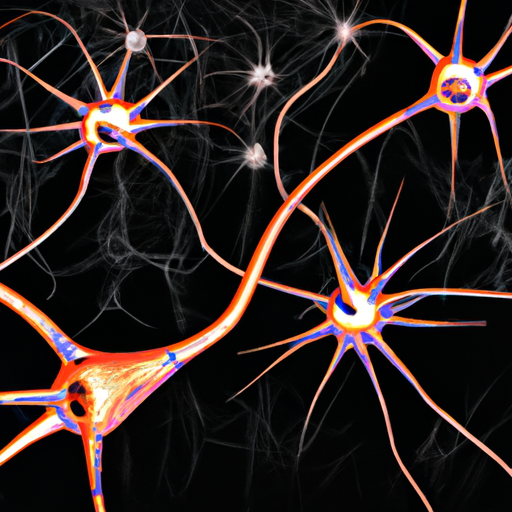
The human brain is a complex network of interconnected regions that work together to facilitate various cognitive processes. Among these networks, the Default Mode Network (DMN) has gained significant attention in recent years. The DMN is a collection of brain regions that are active during rest and self-referential thinking. Emerging research suggests that the DMN plays a crucial role in regulating psychological well-being. In this article, we will explore the concept of the DMN, its functions, and its impact on psychological well-being.
Understanding the Default Mode Network:
The DMN is a network of brain regions that are consistently active when an individual is at rest or engaged in internally focused activities, such as daydreaming, mind-wandering, or self-reflection. Key regions within the DMN include the medial prefrontal cortex, posterior cingulate cortex, precuneus, and inferior parietal lobes. These regions work together to facilitate self-referential thinking, introspection, autobiographical memory, and perspective-taking.
Functions of the Default Mode Network:
1. Self-Reflection and Introspection: The DMN allows individuals to engage in self-reflection and introspection by processing personal experiences, emotions, and beliefs. This introspective processing contributes to self-awareness, self-evaluation, and the development of a coherent sense of self.
2. Autobiographical Memory: The DMN is involved in retrieving and consolidating memories related to personal experiences. It helps individuals construct and maintain their autobiographical narratives, which contribute to a sense of identity and continuity over time.
3. Theory of Mind and Perspective-taking: The DMN plays a role in understanding the mental states of others, known as theory of mind. It allows individuals to take the perspective of others, empathize, and engage in social cognition.
4. Creativity and Imagination: The DMN is also involved in creative thinking and imagination. It enables individuals to generate novel ideas, envision future scenarios, and engage in imaginative thinking.
The Impact of the Default Mode Network on Psychological Well-being:
1. Self-Understanding and Self-Acceptance: The DMN's involvement in self-reflection and introspection contributes to a deeper understanding of oneself, including strengths, weaknesses, values, and aspirations. This self-understanding fosters self-acceptance, which is essential for psychological well-being.
2. Autobiographical Coherence: The DMN's role in constructing autobiographical narratives helps individuals make sense of their past experiences, integrate them into a coherent story, and find meaning and purpose in their lives. This sense of coherence contributes to a greater sense of psychological well-being.
3. Empathy and Connection: The DMN's involvement in theory of mind and perspective-taking facilitates empathy and the ability to understand and connect with others on an emotional level. This empathic connection with others enhances social relationships and promotes psychological well-being.
4. Creative Expression and Exploration: The DMN's contribution to creative thinking and imagination allows individuals to explore new possibilities, engage in creative expression, and find fulfillment in creative pursuits. This creative exploration contributes to a sense of purpose and enhances psychological well-being.
Enhancing the Default Mode Network for Psychological Well-being:
1. Mindfulness and Meditation: Mindfulness practices, such as meditation, have been shown to enhance the functioning of the DMN. Regular mindfulness practice can improve self-awareness, attention regulation, and emotional well-being.
2. Cognitive-Behavioral Therapy (CBT): CBT interventions that target self-reflective processes can help individuals develop healthier thought patterns, challenge negative self-beliefs, and promote psychological well-being.
3. Engaging in Self-Reflection: Allocating time for self-reflection and introspection can enhance the functioning of the DMN. Activities such as journaling, contemplative walks, or engaging in creative pursuits can foster self-understanding, self-acceptance, and psychological well-being.
4. Cultivating Social Connections: Nurturing social connections and engaging in empathic interactions can strengthen the DMN's role in understanding and connecting with others. Building supportive relationships and participating in social activities contribute to psychological well-being.
The Default Mode Network, a network of brain regions active during rest and self-referential thinking, plays a crucial role in psychological well-being. Its functions in self-reflection, autobiographical memory, theory of mind, and creative thinking contribute to self-understanding, empathy, coherence, and creative expression. By understanding the significance of the DMN and implementing practices that enhance its functioning, individuals can promote their psychological well-being and lead more fulfilling lives.