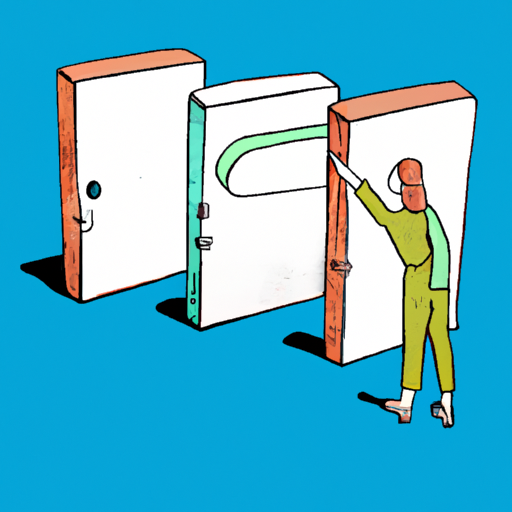
Making decisions is an inevitable part of life, yet many individuals find themselves paralyzed by the fear of making the wrong choice. This phenomenon, known as decision-making paralysis, can lead to procrastination, anxiety, and missed opportunities. Fortunately, several methods can help individuals overcome this paralysis and make confident decisions.
1. Set Clear Goals: Clearly define your objectives and priorities before making a decision. Knowing what you want to achieve can provide clarity and focus, making the decision-making process easier.
2. Gather Information: Take the time to gather relevant information and consider all available options. Researching alternatives and seeking advice from trusted sources can help you make a well-informed decision.
3. Break it Down: Break the decision into smaller, more manageable tasks or components. Tackling each part individually can make the decision seem less daunting and allow for a step-by-step approach.
4. Use Decision-Making Frameworks: Utilize decision-making frameworks such as pros and cons lists, decision trees, or the Eisenhower matrix. These tools can help you evaluate options objectively and weigh the potential outcomes.
5. Limit Choices: Too many options can lead to decision paralysis. Consider narrowing down your choices to a manageable number, focusing on the most relevant criteria.
6. Trust Your Instincts: Sometimes, your gut feeling can guide you in the right direction. Trust your instincts and listen to your intuition, especially when faced with time-sensitive decisions.
7. Set a Deadline: Give yourself a deadline to make the decision. A sense of urgency can help prevent overthinking and procrastination, forcing you to take action.
8. Visualize Outcomes: Imagine the potential outcomes of each decision and how they align with your goals. Visualizing the consequences can provide clarity and help you make a more confident choice.
9. Practice Self-Compassion: Be kind to yourself throughout the decision-making process. Acknowledge that it's okay to make mistakes and that decisions can be adjusted or revised if necessary.
10. Seek Support: Don't hesitate to seek support from friends, family, or mentors when faced with a difficult decision. Discussing your options with others can provide valuable insights and perspectives.
By employing these methods, individuals can overcome decision-making paralysis and approach choices with confidence and clarity. Remember that decision-making is a skill that improves with practice, so don't be afraid to take decisive action and learn from the outcomes.