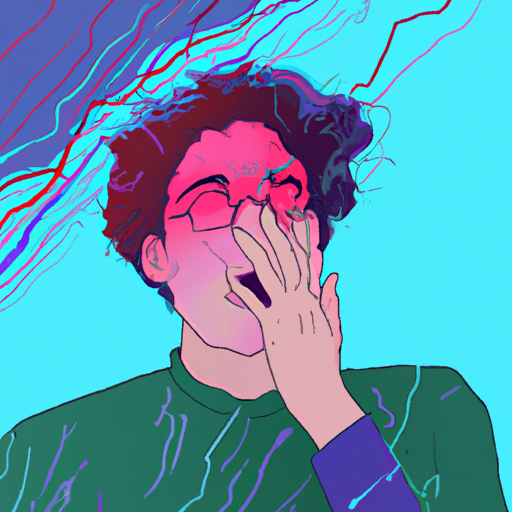
In challenging situations, our bodies and minds often experience stress and nerves, which can have both physiological and psychological effects. Physiologically, when faced with stress, our bodies release hormones like cortisol and adrenaline, triggering the "fight or flight" response. This response can lead to increased heart rate, shallow breathing, and heightened senses, preparing us to either confront the challenge or escape from it.
Psychologically, stress and nerves can manifest as feelings of anxiety, fear, or uncertainty. These emotions can impact our cognitive functions, making it difficult to concentrate, make decisions, or think clearly. Moreover, chronic stress can have long-term effects on mental health, contributing to conditions like anxiety disorders and depression.
Understanding these aspects of stress and nerves is crucial for effectively managing them. Techniques such as deep breathing, mindfulness meditation, and positive self-talk can help regulate physiological responses and alleviate psychological distress. Seeking support from friends, family, or mental health professionals can also provide valuable coping strategies and perspectives during challenging times. By acknowledging and addressing both the physiological and psychological dimensions of stress and nerves, individuals can cultivate resilience and navigate challenging situations more effectively.