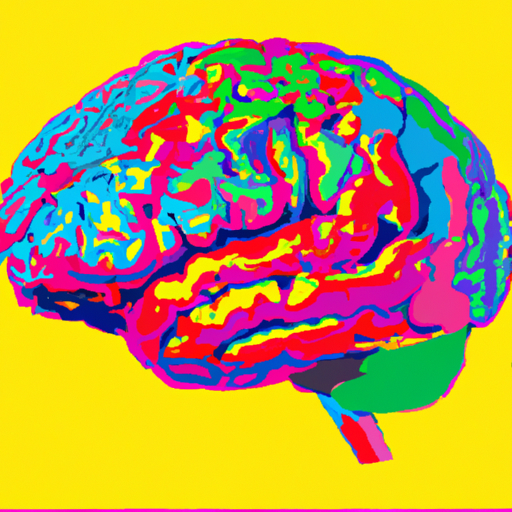
In today's fast-paced and high-pressure work environments, the importance of mental wellbeing cannot be overstated. It is not only crucial for individuals to maintain their mental health, but it also plays a significant role in effective leadership. Neuropsychology, the study of how the brain and behavior are interconnected, offers valuable insights into the relationship between mental wellbeing and leadership. By understanding the neurobiology of leadership and implementing neuropsychological approaches, leaders can enhance their own mental wellbeing and create a positive work culture that promotes the wellbeing of their team members.
1. The Impact of Mental Wellbeing on Leadership Success:
Research has shown that leaders who prioritize their mental wellbeing are more likely to be successful in their roles. When leaders are mentally healthy, they are better equipped to handle stress, make sound decisions, and effectively communicate with their team members. Neuropsychology provides a deeper understanding of the neural mechanisms underlying these leadership skills and offers strategies for cultivating mental wellbeing.
2. The Role of Self-Awareness in Leadership and Mental Wellbeing:
Self-awareness is a fundamental aspect of effective leadership and mental wellbeing. Neuropsychology reveals that self-awareness is linked to the prefrontal cortex, the part of the brain responsible for executive functions such as decision-making and emotional regulation. By developing self-awareness, leaders can better understand their strengths, weaknesses, and triggers, leading to improved mental wellbeing and more authentic leadership.
3. Enhancing Emotional Regulation for Maintaining Mental Wellbeing:
Emotional regulation is another critical skill for leaders to cultivate for their own mental wellbeing and that of their team members. Neuropsychological research shows that emotional regulation is associated with the amygdala and prefrontal cortex, which play a role in processing and controlling emotions. Leaders who can effectively regulate their emotions create a positive work environment and promote the mental wellbeing of their team members.
4. Fostering Resilience in Leadership through Neuropsychological Strategies:
Resilience is the ability to bounce back from adversity and maintain mental wellbeing in challenging situations. Neuropsychology offers strategies for building resilience, such as cognitive reframing, mindfulness practices, and positive psychology interventions. By incorporating these strategies into their leadership approach, leaders can navigate change, overcome obstacles, and inspire their team members to persevere.
5. Creating a Positive Work Culture: Applying Neuropsychology to Foster Mental Wellbeing:
Leaders have the power to shape the work culture and create an environment that supports the mental wellbeing of their team members. Neuropsychology provides insights into the neurobiology of trust, empathy, and cognitive flexibility, which are essential for fostering a positive work culture. By prioritizing these elements and implementing neuropsychological approaches, leaders can create a supportive and inclusive work environment that promotes mental wellbeing.
The intersection of mental wellbeing and effective leadership is a topic of increasing importance in today's professional landscape. By incorporating insights from neuropsychology, leaders can enhance their own mental wellbeing and create a work culture that supports the mental health of their team members. Understanding the neurobiological foundations of leadership skills such as self-awareness, emotional regulation, resilience, and creating a positive work culture allows leaders to optimize their performance and promote the mental wellbeing of their teams. By prioritizing mental wellbeing, leaders can foster a healthy and productive work environment that drives success and long-term sustainability.