
Leader Talks
Listen to our latest Leader Talks
Short audio conversations on leadership, management, and coaching, from the Leaderly team.
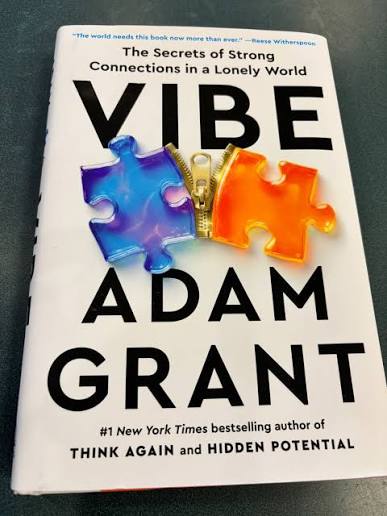
Vibe: The Secrets of Strong Connections in a Lonely World
Adam Grant
In Vibe, organizational psychologist Adam Grant explores the science of human connection and why meaningful relationships matter in both personal and professional life. He challenges common assumptions about chemistry, friendship, and closeness, showing that strong connections do not always depend on similarity or instant attraction. The discussion explains how people can build trust, strengthen relationships, and create a greater sense of belonging through intentional interactions. The conversation introduces different types of relationships, including associates, allies, pals, and companions, each serving a distinct purpose in our lives. The dialogue also examines how shared experiences, healthy disagreements, and relationship-building rituals can strengthen teams and communities.
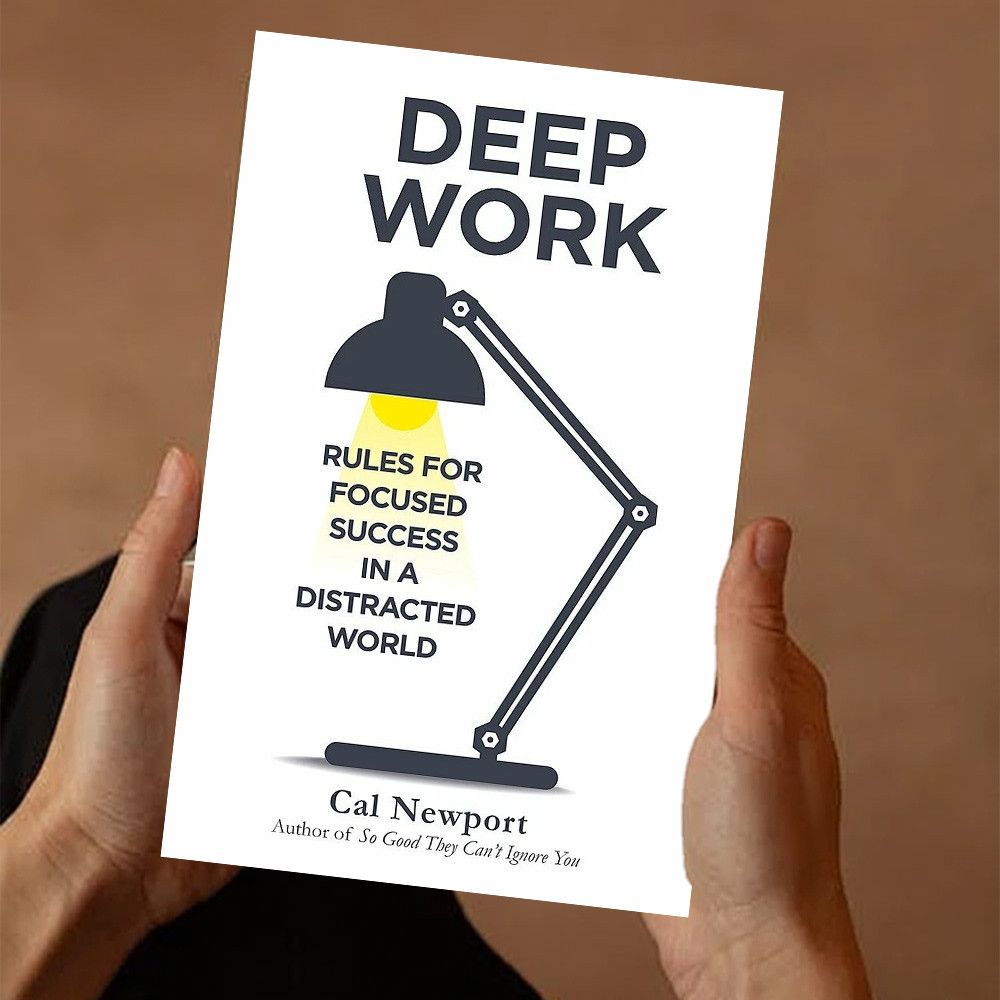
Deep Work: Rules for Focused Success in a Distracted World
Cal Newport
In Deep Work, Cal Newport explores the importance of focused, uninterrupted work in an increasingly distracted world. He defines deep work as professional activity performed in a state of intense concentration that pushes cognitive abilities to their limits. Newport argues that the ability to focus deeply is becoming increasingly valuable because many workplaces are filled with constant notifications, meetings, and shallow tasks. The conversation explains how individuals can produce higher-quality work, learn difficult skills faster, and accomplish more by protecting their attention. The discussion introduces practical strategies for building routines, reducing distractions, and making focused work a regular habit.
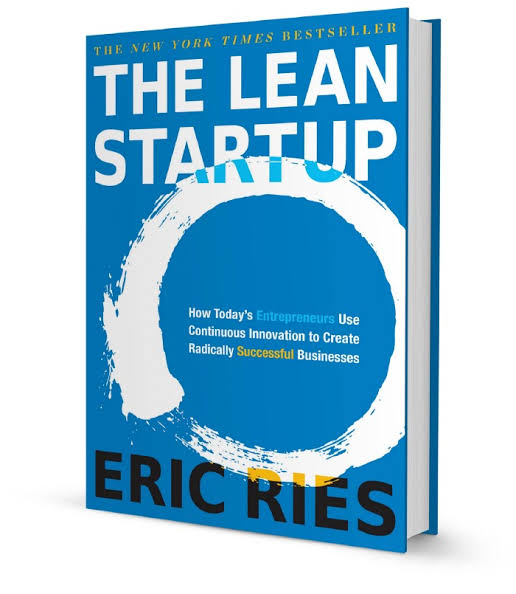
The Lean Startup: How Today's Entrepreneurs Use Continuous Innovation to Create Radically Successful Businesses
Eric Ries
In The Lean Startup, Eric Ries introduces a practical approach to building businesses and developing products in uncertain environments. He challenges the traditional idea that success comes from following a detailed plan and executing it exactly as intended. Instead, he encourages entrepreneurs and leaders to experiment, gather customer feedback, and learn quickly. The comversation introduces the Build-Measure-Learn feedback loop, which helps teams test ideas and make informed decisions. The discussion also explains how a Minimum Viable Product (MVP) can help validate assumptions before investing significant time and resources.
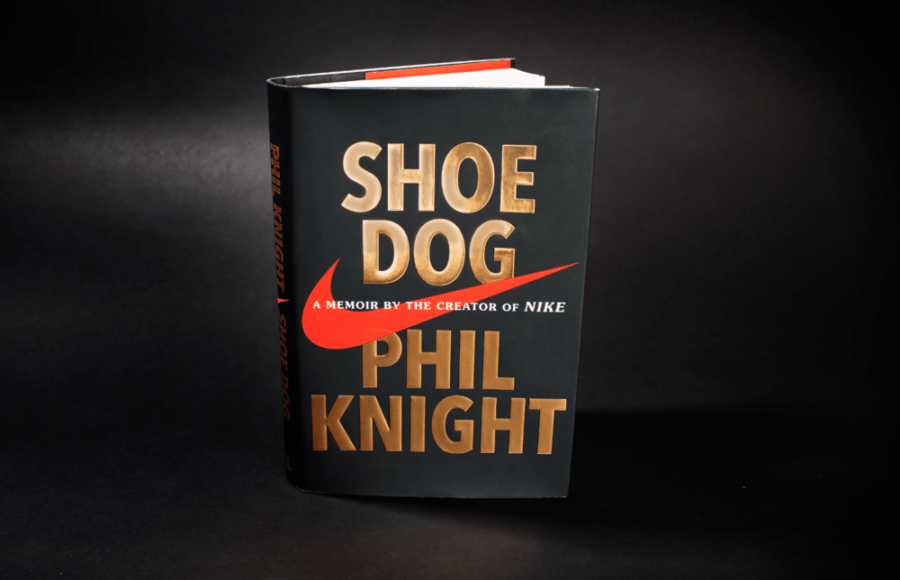
Shoe Dog: A Memoir by the Creator of Nike
Phil Knight
In Shoe Dog, Phil Knight shares the story of how he built Nike from a small startup into one of the world's most recognized sports brands. The memoir follows his early journey as a young entrepreneur with an ambitious idea to bring high-quality running shoes from Japan to the American market. Knight describes the financial struggles, business risks, difficult partnerships, and personal sacrifices involved in growing the company. The discussion highlights the importance of believing in an idea, staying committed through uncertainty, and surrounding yourself with people who share your vision. The conversation also reveals that building a successful organization rarely follows a predictable path.
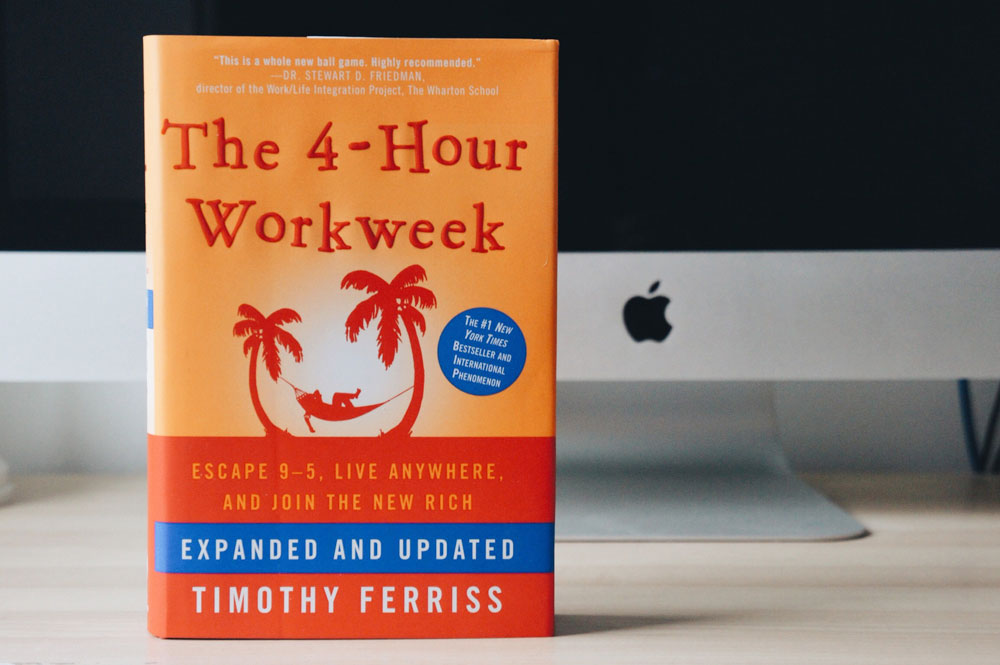
The 4-Hour Workweek: Escape 9–5, Live Anywhere, and Join the New Rich
Timothy Ferriss
In The 4-Hour Workweek, Timothy Ferriss challenges the belief that success requires working longer hours and postponing life’s rewards until retirement. He encourages readers to define what they truly want, eliminate low-value activities, automate repetitive work, and create more freedom over their time. The dialogue introduces the DEAL framework: Definition, Elimination, Automation, and Liberation. It emphasizes focusing on the tasks that produce the greatest results instead of measuring productivity by hours worked. The conversation also explores delegation, remote work, and systems that reduce dependence on constant personal involvement. The central lesson is to design work around meaningful goals, not allow work to dictate how life is lived.
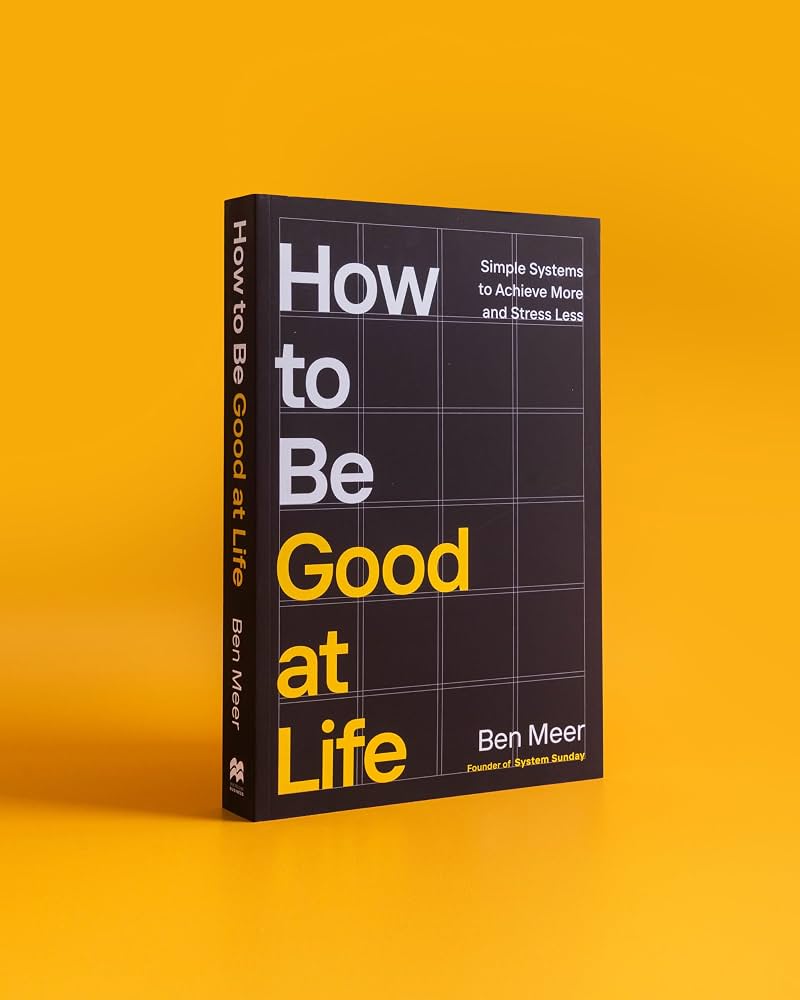
How to Be Good at Life
Ben Meer
Modern life can feel overwhelming because we manage countless decisions, responsibilities, and competing priorities. In How to Be Good at Life, Ben Meer argues that trying harder is not always the answer when progress stalls. Instead, building effective systems can make important actions easier to repeat and maintain. The conversation introduces the DRIVE method as a framework for turning goals into workable systems. The dialogue also explores seven Life Engines—Health, Relationships, Career, Money, Emotions, Mind, and Environment—to help listeners improve life holistically.

Darkhorse: Harnessing Hidden Potential in War and Life
Amatangelo “AJ” Pasciuti with Neil McGinness
The conversation tallks about Pasciuti’s experiences as a Marine, Scout Sniper, and Force Reconnaissance Marine as a framework for exploring leadership, resilience, service, failure, and hidden potential. It challenges conventional ideas of toughness and leadership, emphasizing that strength can develop through empathy and that grit can emerge through failure. The dialogue also connects leadership with service, arguing that power is most meaningful when it is directed toward others. Pasciuti’s experiences highlight the importance of adapting to difficult circumstances, thinking differently, and continuing to show up when conditions are demanding. His journey also includes efforts to improve military education and training, illustrating how leadership can involve challenging established systems when improvement is needed.
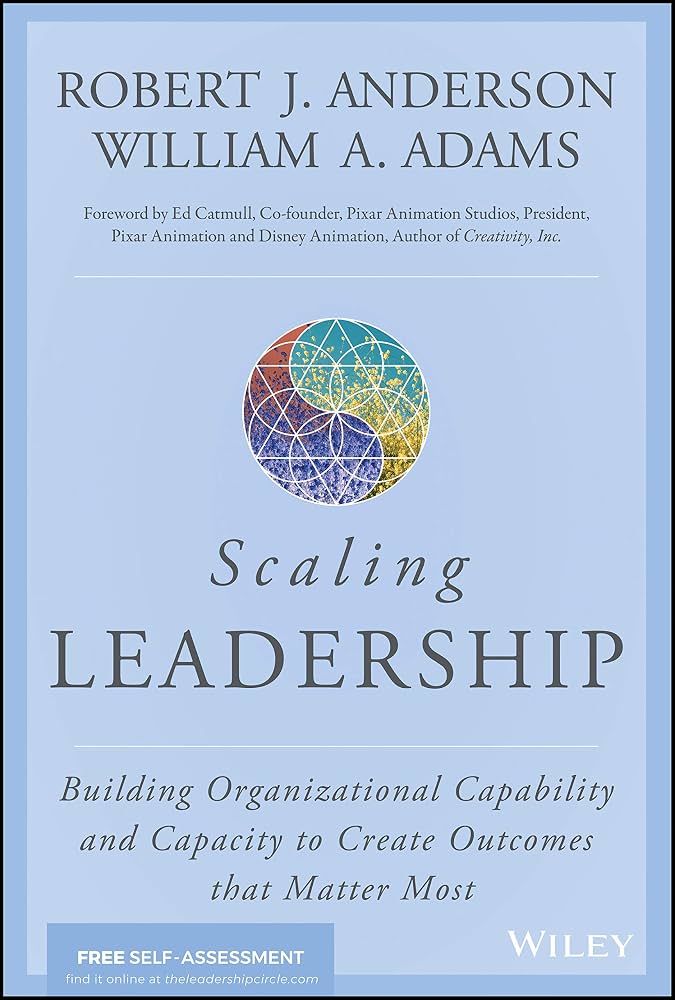
Scaling Leadership: Building Organizational Capability and Capacity to Create Outcomes That Matter Most
Robert J. Anderson and William A. Adams
Leadership becomes more demanding as an organization grows because leaders must create results through an increasingly complex network of people and teams. Anderson and Adams define leadership as scaling the capacity and capability for the organization to create what matters most. The conversation emphasizes that leaders must develop themselves if they want their organizations to continue developing and growing. The dialogue also distinguishes between creative leadership, which expands organizational capability, and reactive leadership, which can limit effectiveness when certain strengths become liabilities.

Recognizing Excellence
Rob Lively
This discussion presents Rob Lively's leadership philosophy which emphasizes how organizational identity is shaped through consistent reinforcement. Culture is built by what leaders choose to coach, reward, and celebrate on a daily basis. Strategic recognition serves as a primary tool in this framework, functioning not just as a perk but as a way to make excellence visible and repeatable across the workforce. By prioritizing human capital and intentional feedback, leaders can create a self-sustaining "flywheel" of high performance that persists even after they depart.
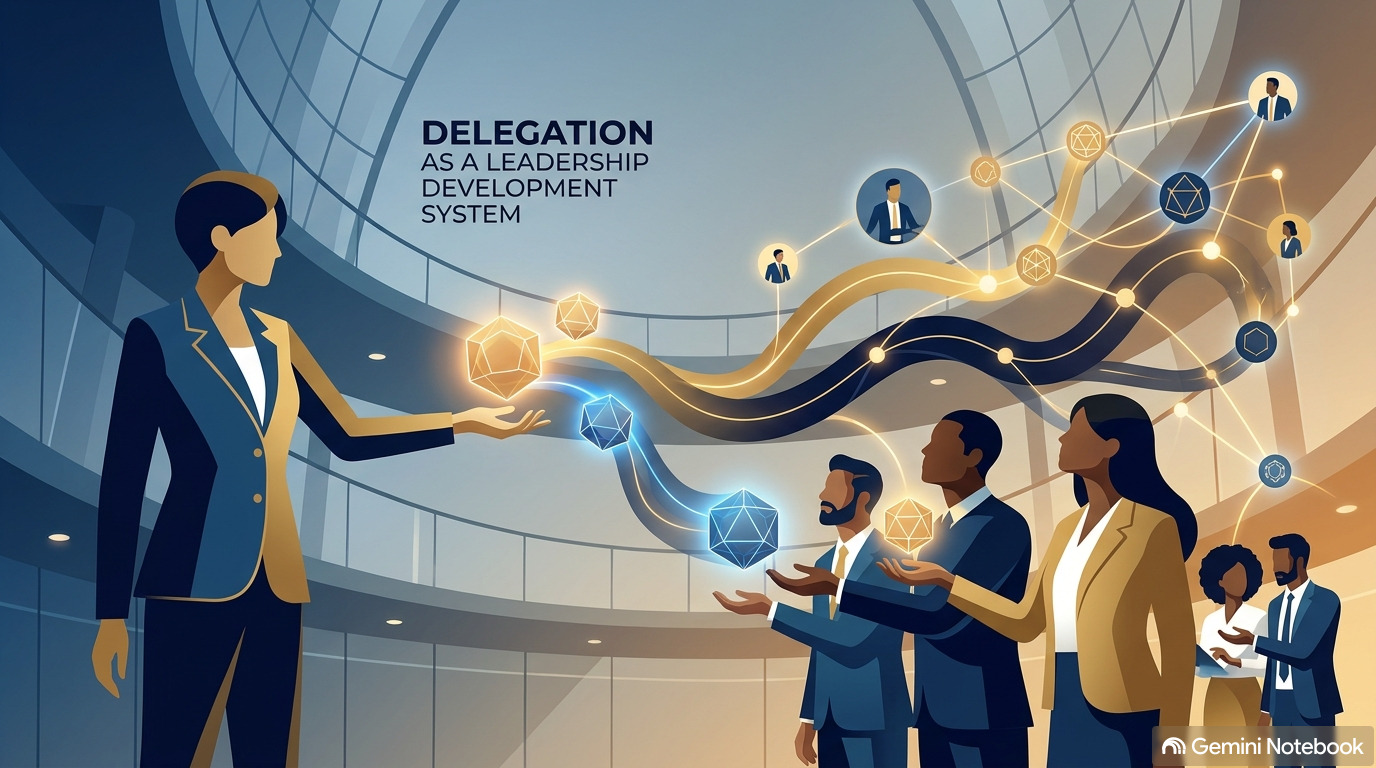
Developmental Delegation
Rob Lively
This discussion explores Rob Lively’s framework for transforming delegation from a simple task-assignment tool into a sophisticated leadership development system. Effective leaders use delegation to distribute perspective and decision-making authority. The dialogue introduces the Responsibility-to-Capacity Cycle, a six-stage process that emphasizes defining developmental intent and providing autonomy without abandonment. By transferring meaningful responsibility, leaders foster organizational ownership and ensure the company remains resilient during crises.
Humor, Seriously: Why Humor Is a Secret Weapon in Business and Life
Naomi Bagdonas and Jennifer Aaker
This discussion explores how humor can strengthen communication, relationships, creativity, and leadership when used thoughtfully. Humor can help people connect, reduce tension, make difficult conversations more approachable, and create a more engaging environment. Effective humor is not about being the funniest person in the room, but about understanding when and how humor can serve a purpose. Leaders can use appropriate humor to build trust and make themselves more approachable without sacrificing professionalism. The conversation also highlights the importance of knowing your audience and avoiding humor that embarrasses, excludes, or undermines others.
The Good Life: Lessons from the World's Longest Scientific Study of Happiness
Robert Waldinger and Marc Schulz
This discussion explores what decades of research from the Harvard Study of Adult Development reveal about living a happier and healthier life. In The Good Life, Robert Waldinger and Marc Schulz explain that strong, meaningful relationships are among the most important contributors to long-term well-being. The authors show that the quality of our connections matters more than simply having a large social network. Healthy relationships can provide emotional support, help people navigate stress, and contribute to greater life satisfaction. The dialogue encourages people to actively invest time and attention in the relationships that matter rather than taking them for granted.
Zero to One: Notes on Startups or How to Build the Future
Peter Thiel
This discussion explores how Zero to One challenges conventional thinking about innovation, competition, and business growth. Peter Thiel argues that true innovation occurs when something entirely new is created rather than simply improving what already exists. The conversation distinguishes between going from "zero to one," which means creating new value, and going from "one to n," which means replicating existing ideas. The dialogue emphasizes the importance of unique insights, bold thinking, and long-term vision.
Inside the Box: How Constraints Make Us Better
David Epstein
This discussion explores how innovation often comes from working within constraints rather than seeking unlimited freedom. Inside the Box: How Constraints Make Us Better challenges the belief that creativity requires thinking outside the box. Instead, the conversation argues that many breakthrough ideas emerge when people fully examine the resources, processes, and opportunities already available to them. By focusing on existing assets, individuals can identify new combinations, improvements, and solutions. The dialogue introduces practical approaches for generating innovation without relying on major disruptions or entirely new resources.
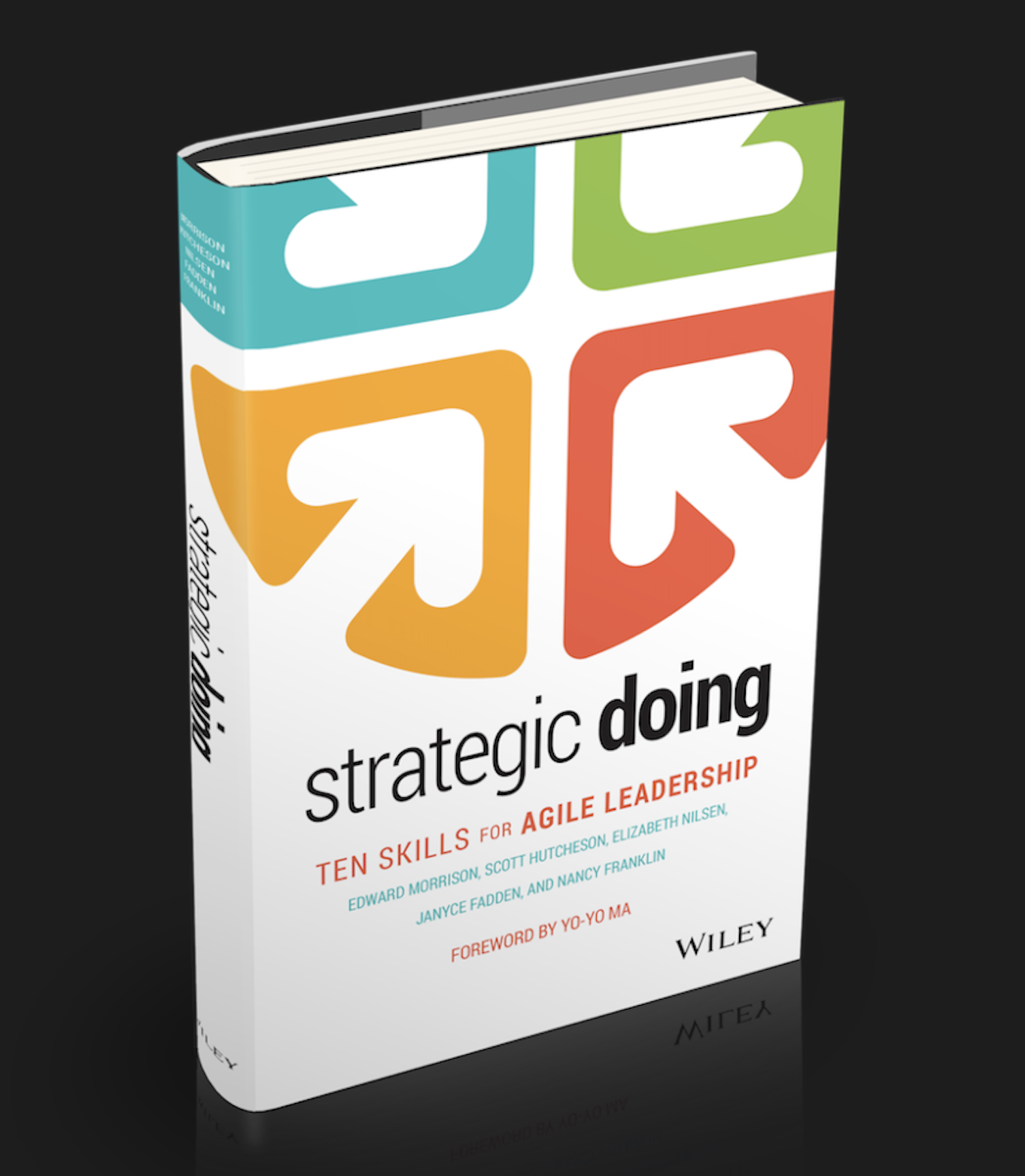
Strategic Doing
Edward Morrison
This discussion explores how Strategic Doing provides a practical approach to turning ideas into action through collaboration. Edward Morrison argues that traditional strategic planning often focuses too much on analysis and not enough on execution. The conversation introduces a framework for bringing diverse stakeholders together to identify opportunities and take coordinated action. Instead of creating long-term plans that may never be implemented, Strategic Doing emphasizes small, achievable steps that build momentum. The approach encourages continuous learning, adaptation, and partnership.
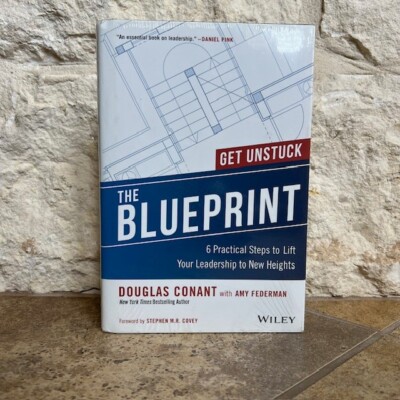
Blueprint: 6 Practical Steps to Lift Your Leadership to New Heights
Douglas Conant
This conversation explores how Blueprint provides a practical framework for building purposeful and effective leadership. Douglas Conant emphasizes that leadership is not accidental but the result of intentional habits, values, and decisions. The discussion encourages leaders to create a personal leadership blueprint that aligns actions with principles. It highlights the importance of self-awareness, relationships, and consistent execution. Leadership effectiveness comes from understanding who you are, what you stand for, and how you influence others.
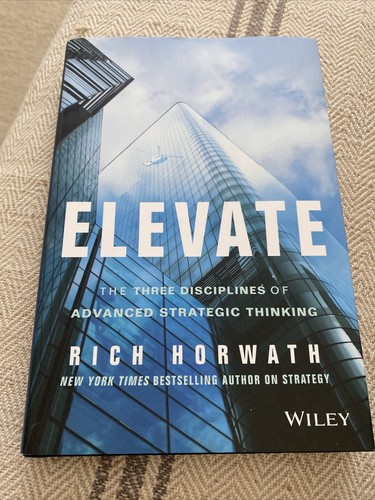
Elevate: The Three Disciplines of Advanced Strategic Thinking
Rich Horwath
This dialogue explores how Elevate helps leaders think and act more strategically in a rapidly changing environment. Rich Horwath argues that strategy is not a one-time event but an ongoing discipline that guides decisions and actions. The discussion provides practical tools for improving focus, prioritization, and long-term thinking. It emphasizes the importance of identifying what matters most and aligning resources accordingly. Strategic leaders create clarity by connecting daily actions to larger goals.
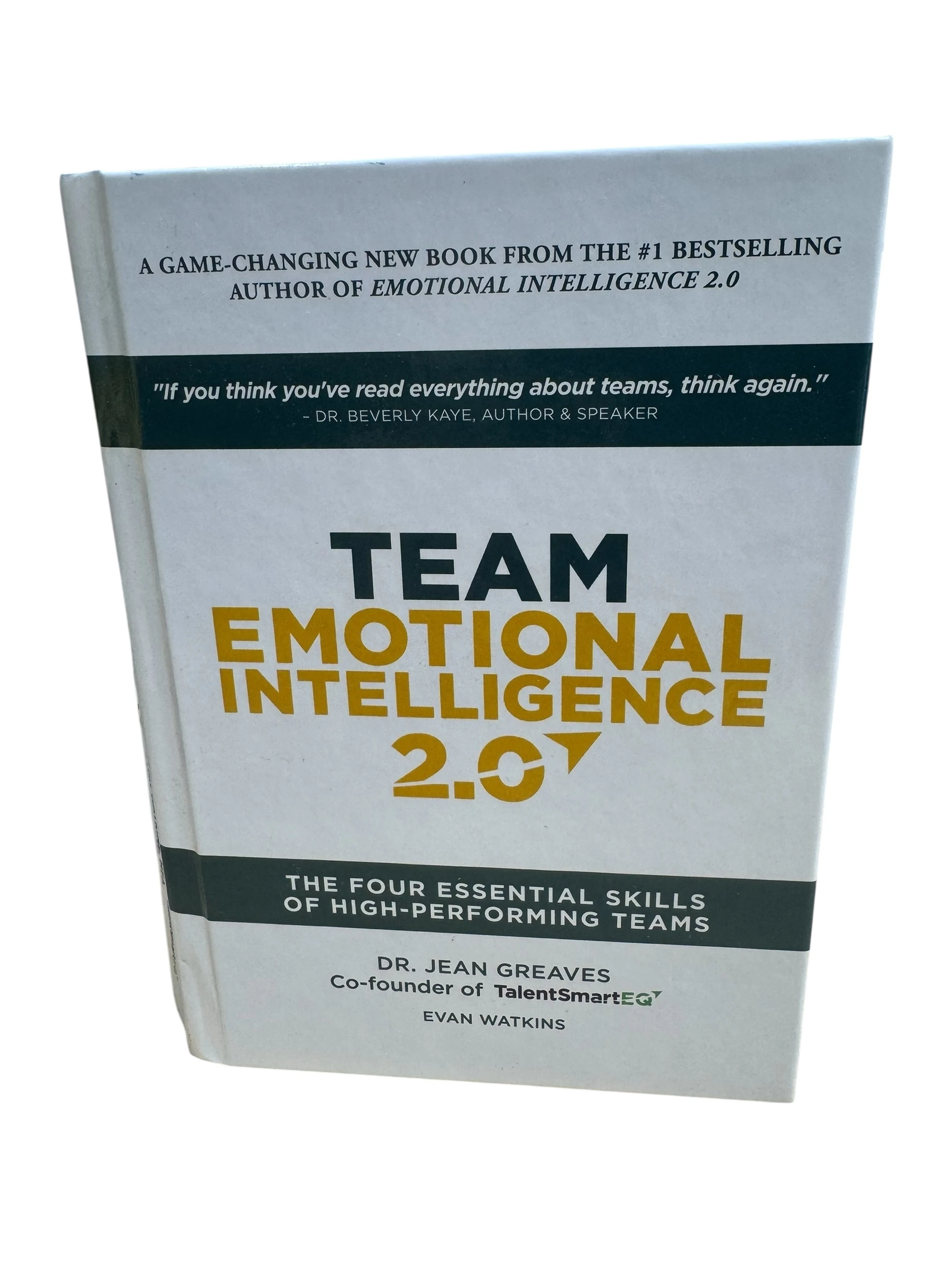
Team Emotional Intelligence
Evan Watkins
This discussion explores how emotional intelligence extends beyond individuals and becomes a critical factor in team performance. Watkins explains that emotionally intelligent teams communicate more effectively, manage conflict constructively, and build stronger trust. The conversation emphasizes the importance of recognizing and managing emotions at both the individual and group levels. Teams with high emotional intelligence are better equipped to collaborate, adapt, and solve problems together. Emotional awareness strengthens relationships and improves decision-making under pressure.
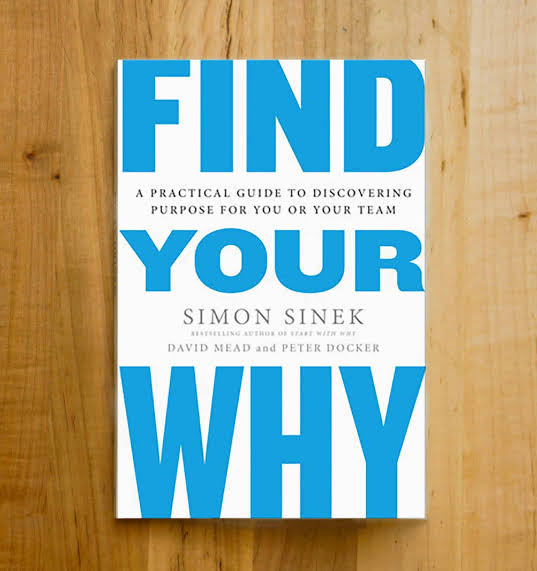
Find Your Why
Simon Sinek, David Mead, and Peter Docker
This discussion explores how Find Your Why helps individuals and teams discover the deeper purpose behind what they do. Building on Simon Sinek’s concept of the Golden Circle, the book emphasizes that lasting motivation comes from understanding why we act, not just what we do. The conversation provides practical methods for identifying personal values, patterns, and defining experiences. Knowing your Why creates clarity in decision-making and strengthens leadership effectiveness. It also helps individuals connect their work to a larger sense of meaning.
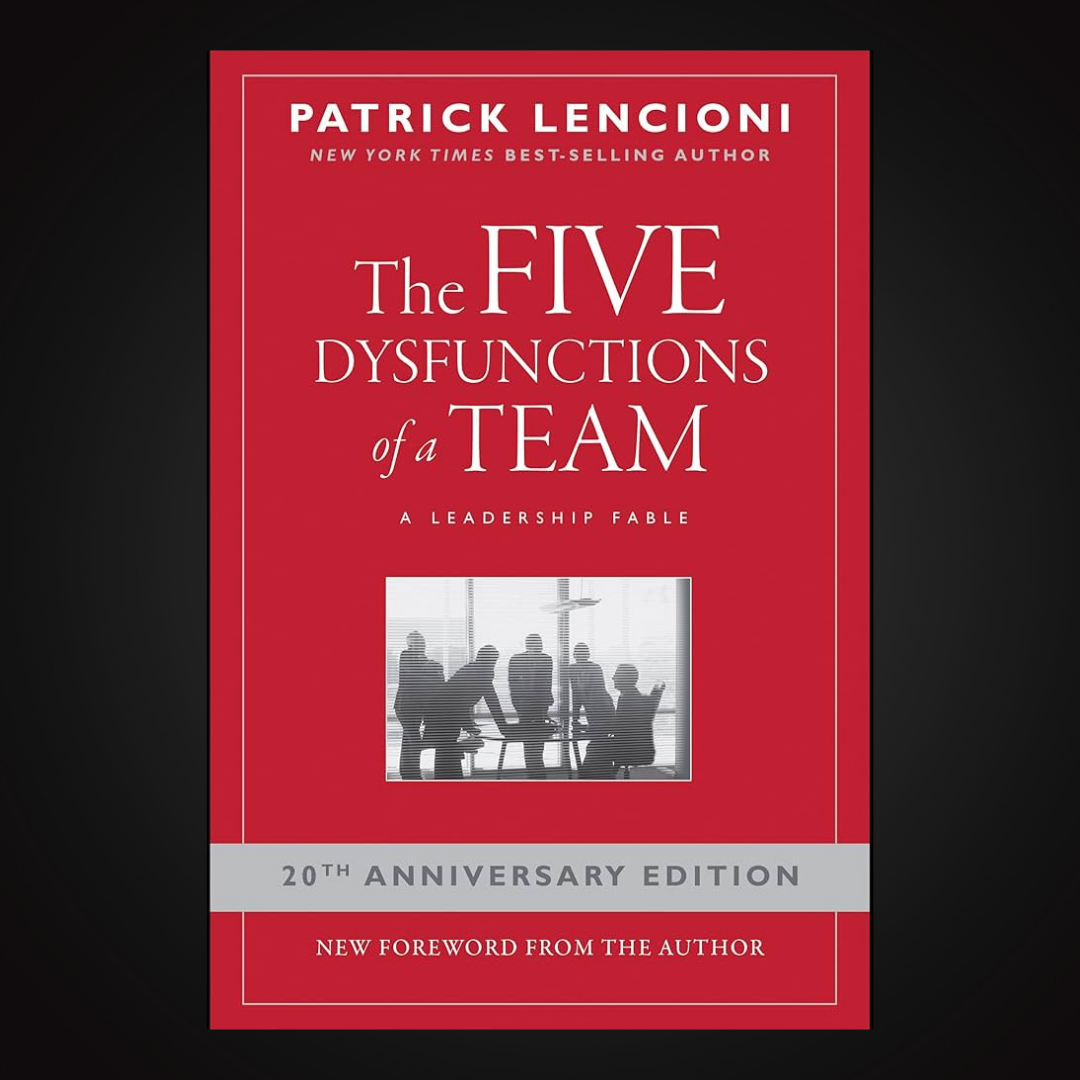
The Five Dysfunctions of a Team
Patrick Lencioni
This discussion explores how The Five Dysfunctions of a Team identifies the common obstacles that prevent teams from reaching their full potential. Patrick Lencioni presents a model showing how team problems build upon one another, beginning with a lack of trust. The dialogue explains that trust enables healthy conflict, which leads to commitment, accountability, and results. When any layer is missing, team effectiveness suffers. Through practical examples, Lencioni demonstrates how leaders can strengthen team dynamics by addressing dysfunctions directly.
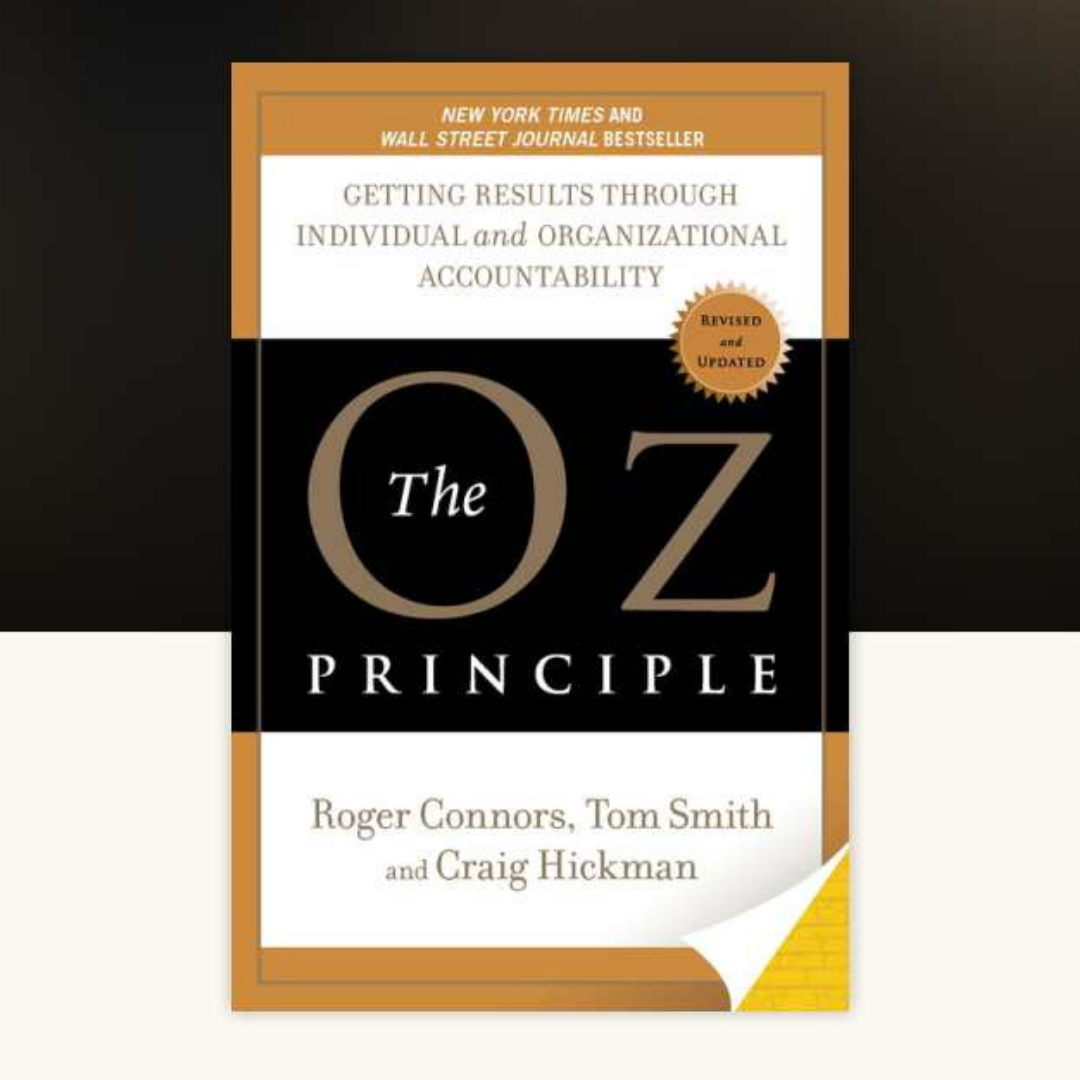
The Oz Principle
Roger Connors, Tom Smith, and Craig Hickman
This conversation explores how The Oz Principle introduces accountability as a key driver of personal and organizational success. Roger Connors and his co-authors distinguish between living "below the line" and "above the line." Individuals below the line blame circumstances, make excuses, or wait for others to solve problems. Those above the line acknowledge reality, take ownership, and focus on solutions. The dialogue argues that accountability is not about assigning blame but about achieving results.