
Leader Talks
Listen to our latest Leader Talks
Short audio conversations on leadership, management, and coaching, from the Leaderly team.
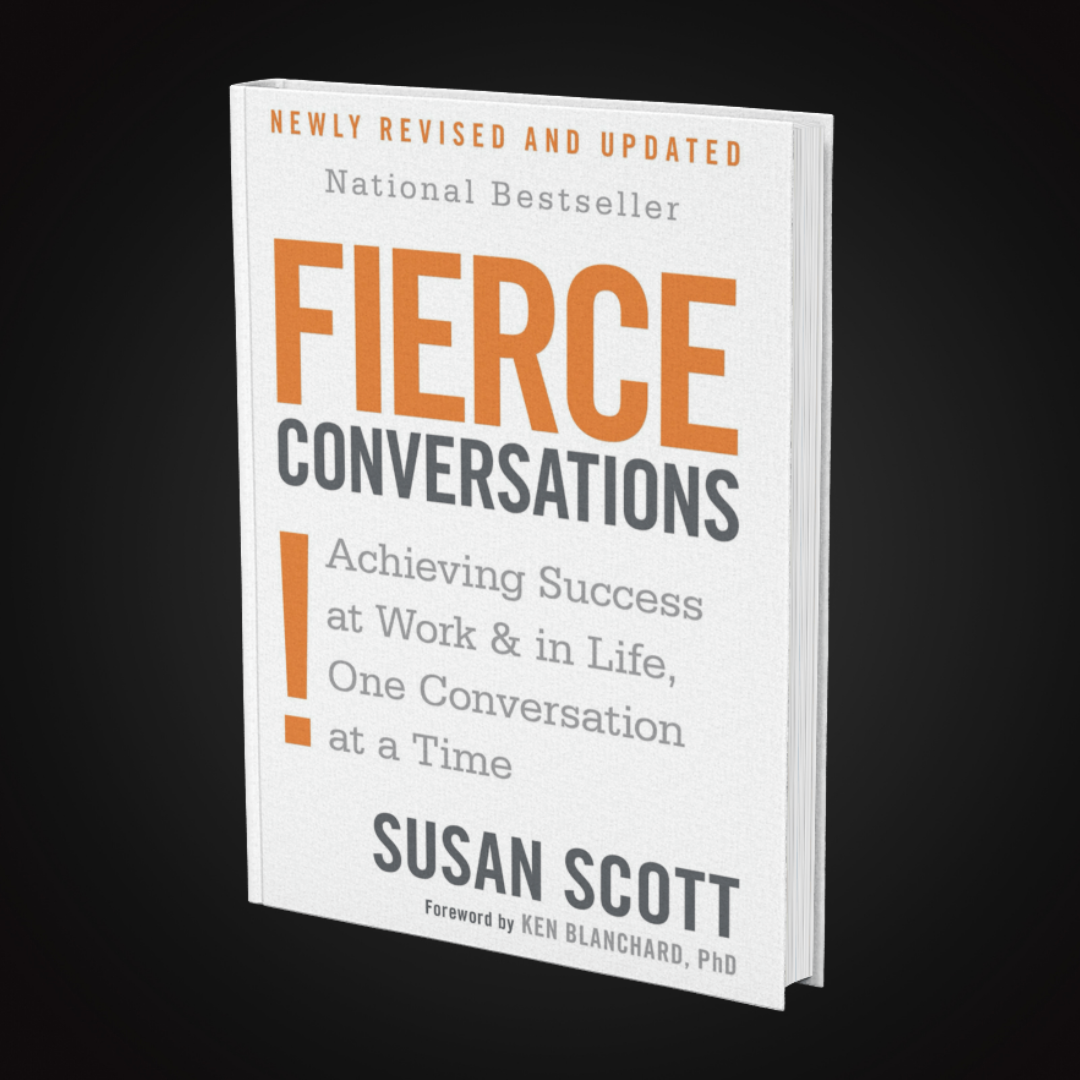
Fierce Conversations
Susan Scott
This discussion explores how Fierce Conversations emphasizes the power of honest, authentic dialogue in leadership and relationships. Susan Scott argues that meaningful conversations are the foundation of success in organizations and personal life. The conversation encourages individuals to address issues directly rather than avoiding difficult topics. It highlights the importance of presence, listening, and speaking truthfully with respect. Scott believes that one conversation can transform a relationship, a team, or an entire organization.
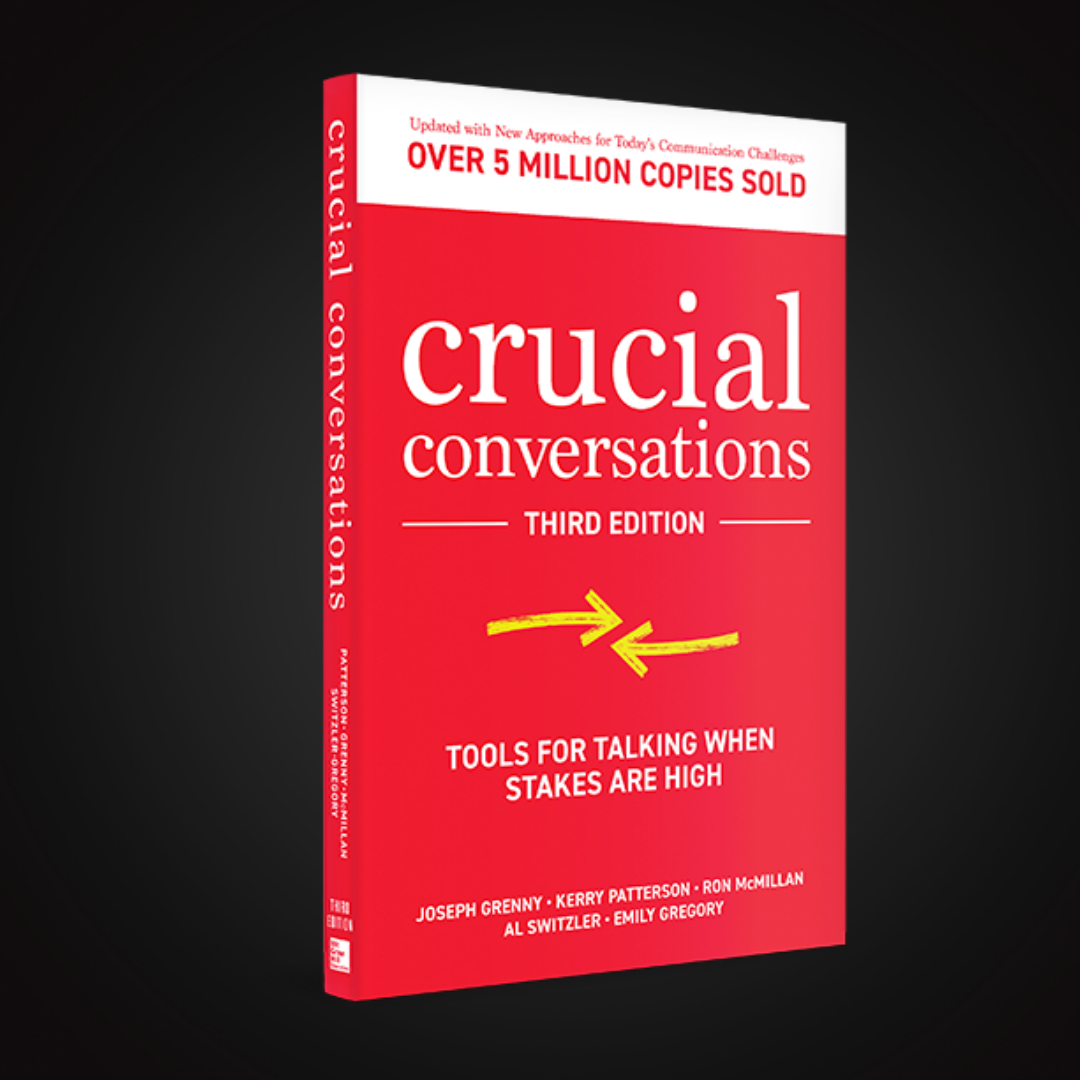
Crucial Conversations
Joseph Grenny
This conversation explores how Crucial Conversations teaches people to communicate effectively when stakes are high, opinions differ, and emotions run strong. Joseph Grenny and his co-authors explain that the success of relationships, teams, and organizations often depends on handling difficult conversations well. The discussion emphasizes creating psychological safety so people feel comfortable sharing their views. It introduces practical tools for staying focused on shared goals while managing emotions. Rather than avoiding conflict, the authors encourage open and respectful dialogue.
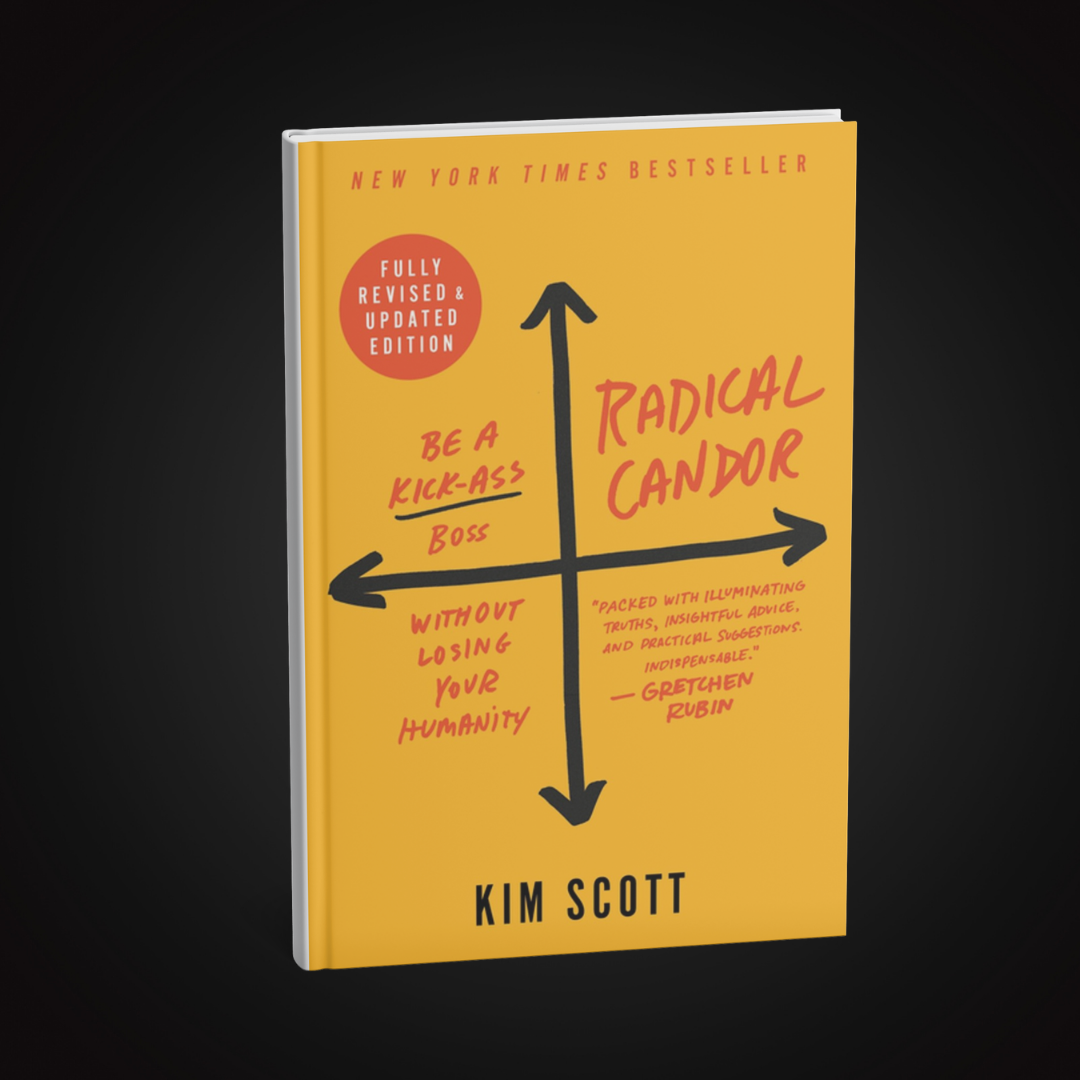
Radical Candor
Kim Scott
This discussion explores how Radical Candor challenges leaders to care personally while challenging directly. Kim Scott argues that effective leadership requires honest feedback delivered with genuine concern for others. The dialogue distinguishes Radical Candor from behaviors such as ruinous empathy, manipulative insincerity, and obnoxious aggression. Strong relationships create the trust necessary for candid conversations. When feedback is both caring and direct, individuals grow faster and teams perform better.
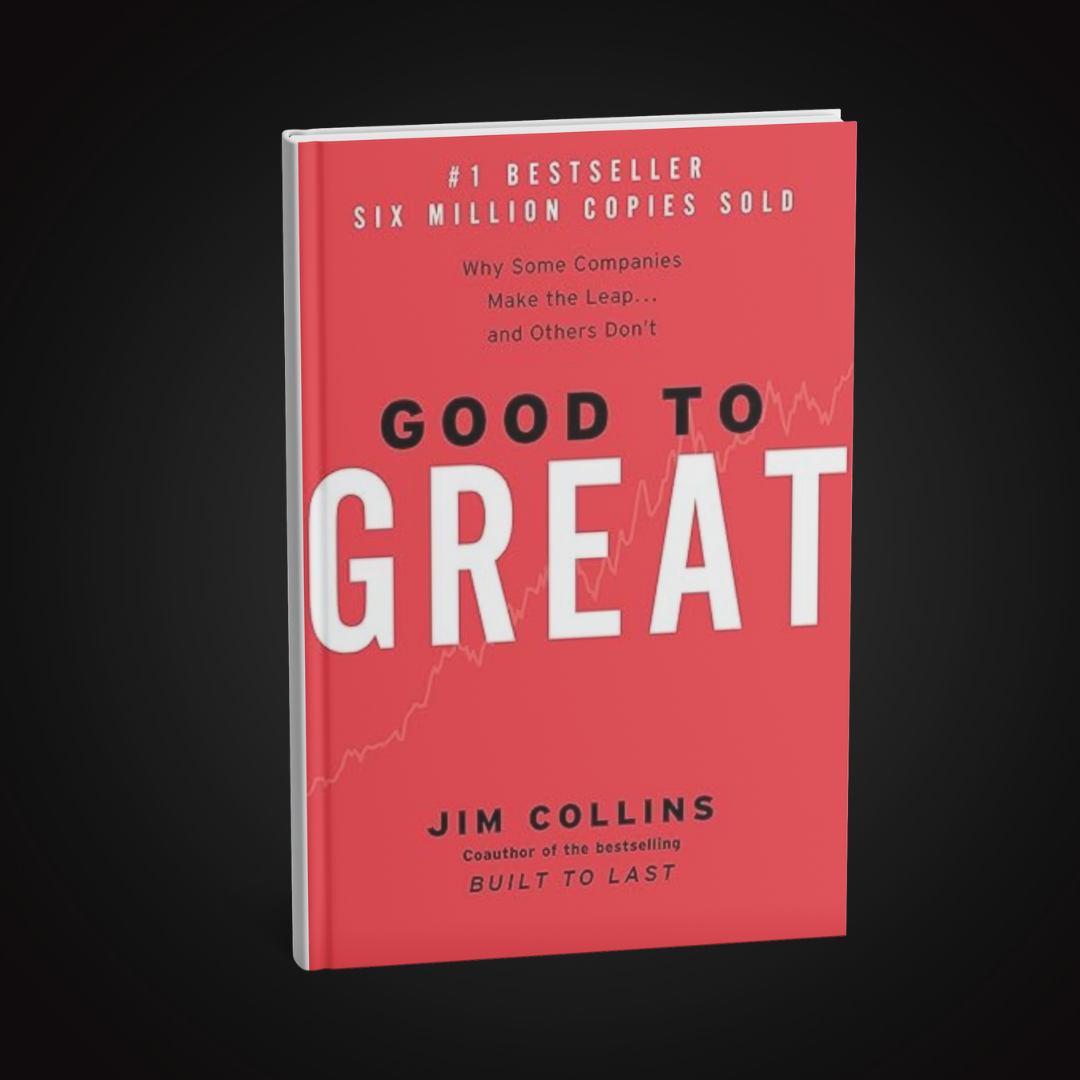
Good to Great
Jim Collins
This discussion explores how Good to Great examines why some companies achieve lasting excellence while others remain average. Jim Collins identifies patterns and leadership behaviors shared by organizations that made the leap from good performance to sustained greatness. The dialogue emphasizes disciplined people, disciplined thought, and disciplined action as key foundations. It introduces concepts such as Level 5 Leadership, the Hedgehog Concept, and the importance of getting the right people on the team. The conversation argues that greatness is not driven by one breakthrough moment, but by consistent, focused decisions over time.
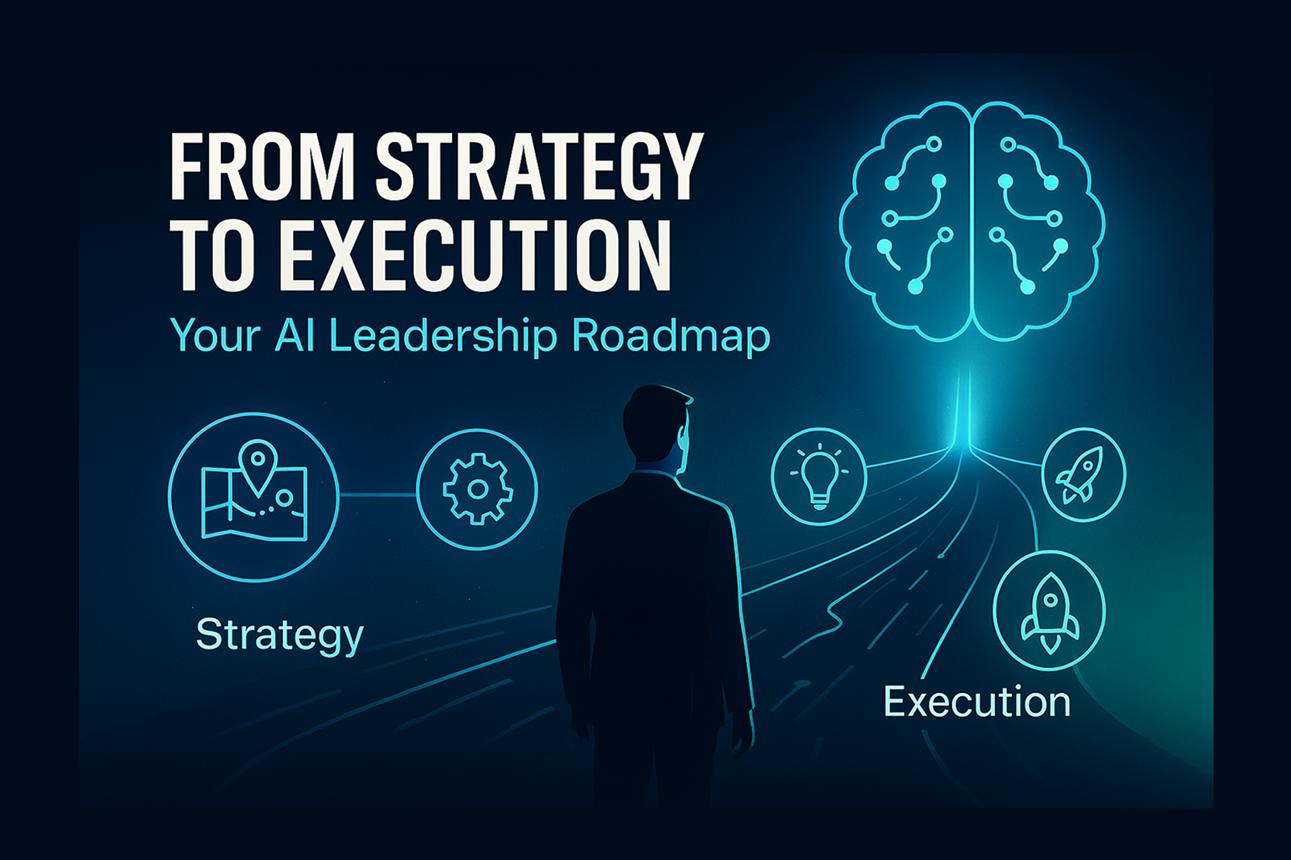
Planning Success in Leaderly AI
Leaderly
This discussion is about Leaderly AI, which is a mobile-first platform that facilitates professional development through personalized microlearning and data-driven engagement. The dialogue delves into an instructional guide which provides a comprehensive roadmap for administrators to align the platform with their organization's strategic vision for leadership growth. Administrators manage this ecosystem by conducting baseline surveys, curating specific content, and maintaining a weekly engagement rhythm to ensure consistent user participation.

Leaderly AI Engagement and Performance Report
Leaderly
This discussion examines user interaction data for the Leaderly AI platform during the first quarter of 2026. The dialogue highlights that subscribers primarily engage with visual content and interactive assessments during standard business hours, maintaining a consistent monthly return rate. While performance metrics show a strong average proficiency score, the document suggests implementing personalized messaging and gamification to further boost participation. Administrators are encouraged to integrate the software into broader organizational training routines to foster long-term learning habits.
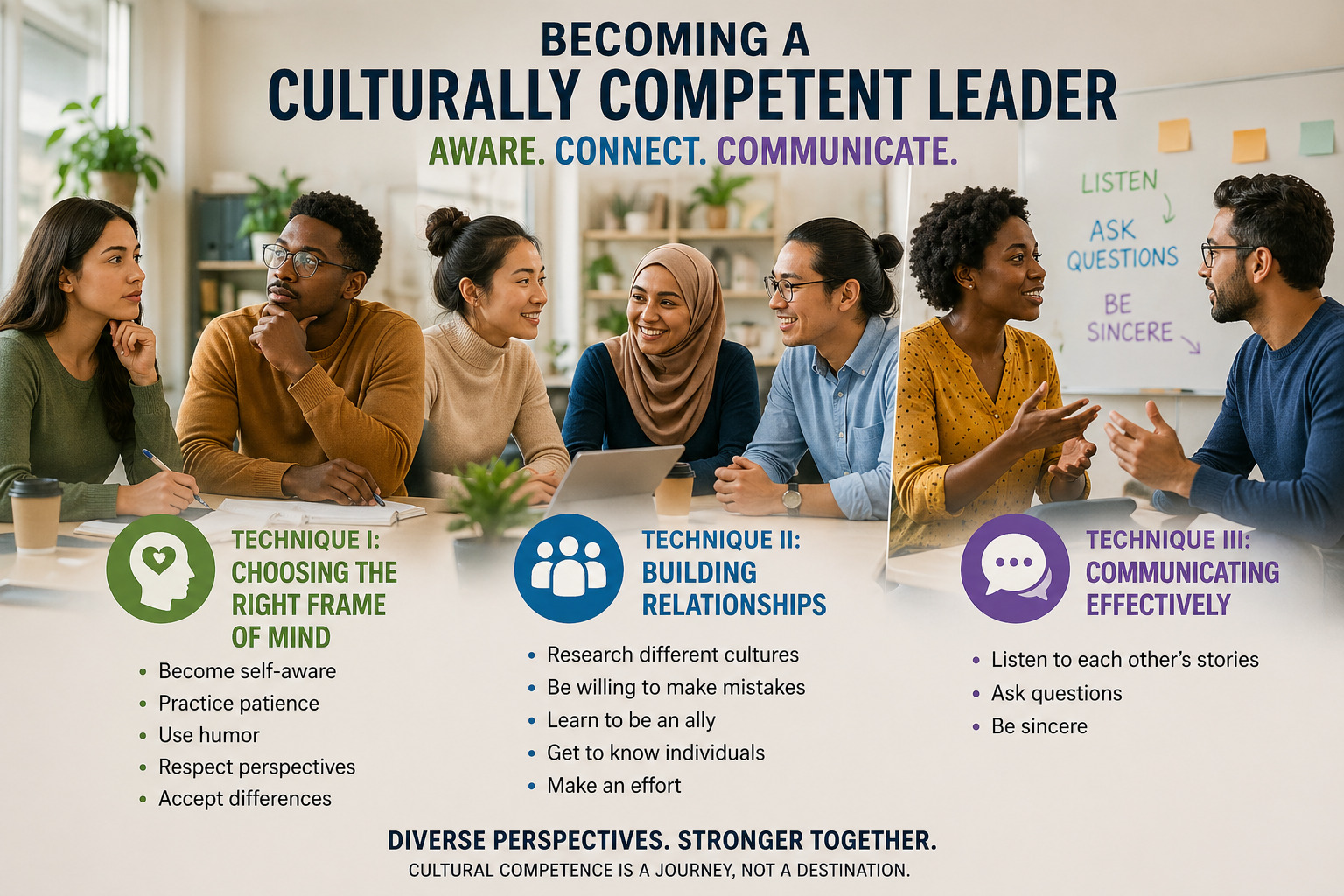
Becoming a Culturally Competent Leader
WCoT
This discussion outlines a three-part framework for developing culturally competent leadership through specific internal and interpersonal strategies. The first phase emphasizes cultivating an inclusive mindset by prioritizing self-awareness, patience, and the acceptance of diverse values. The second stage focuses on fostering authentic relationships, encouraging leaders to act as allies and view employees as unique individuals rather than cultural stereotypes. Finally, the material highlights the importance of effective communication, advocating for active listening, sincerity, and the use of clear language to bridge cultural gaps.

Go Find Joy: The Science of Calm: Erasing Anxiety with Energy Therapy
Mark Joy
This discussion explores how Go Find Joy: The Science of Calm by Mark Joy presents calm as a trainable state rather than a passive feeling. The dialogue focuses on reducing anxiety through awareness, energy-based practices, and intentional habits. It highlights how stress responses can be regulated by calming the body and mind together. Techniques such as breathing, focus, and energy awareness are emphasized as practical tools. The approach centers on shifting from reactive patterns to controlled responses.
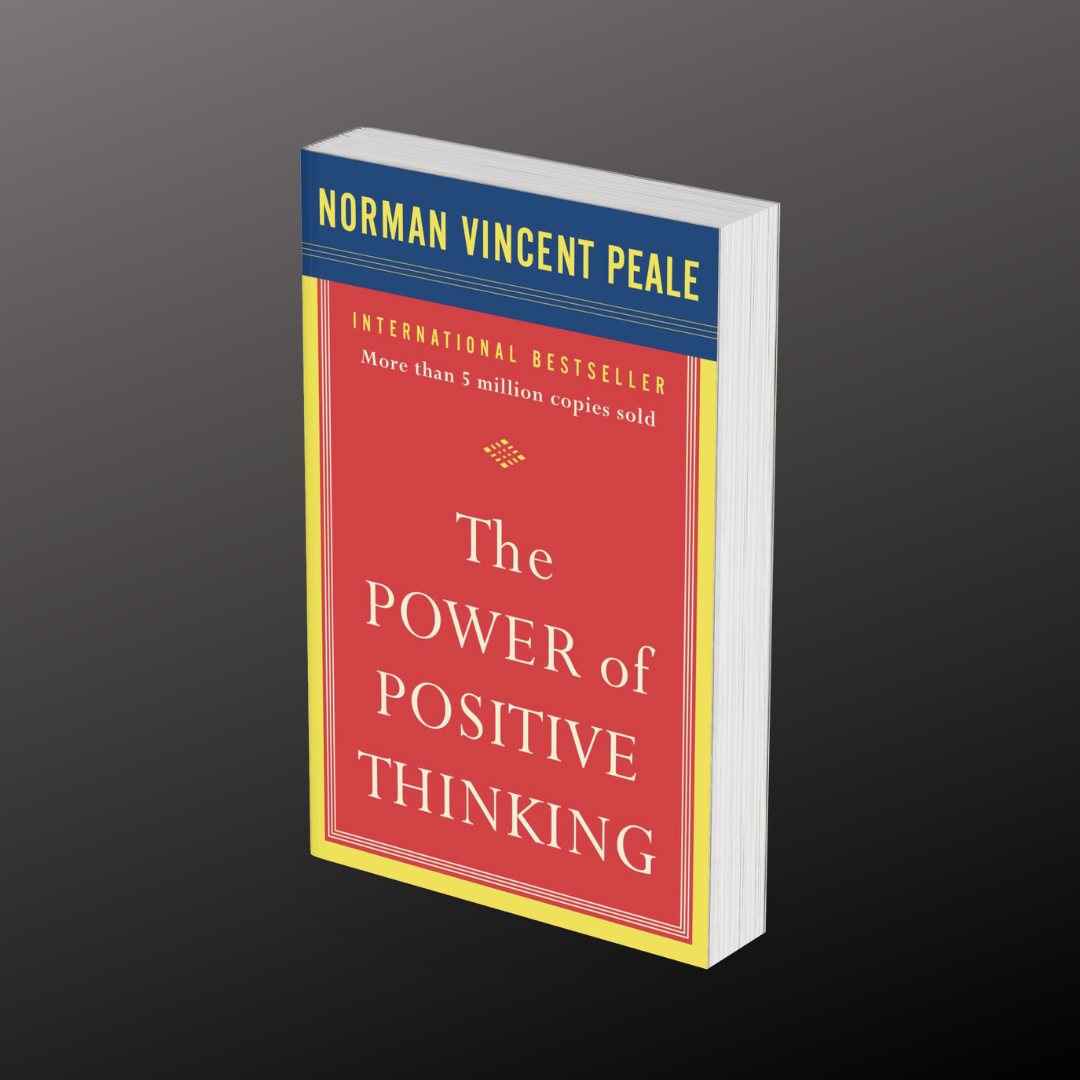
The Power of Positive Thinking
Norman Vincent Peale
This discussion explores how The Power of Positive Thinking teaches the impact of mindset on confidence, behavior, and outcomes. Norman Vincent Peale emphasizes that belief and attitude shape how individuals approach challenges. The dialogue highlights the role of faith, self-confidence, and disciplined thinking in overcoming obstacles. It encourages replacing negative thoughts with constructive, solution-focused thinking. Positive thinking is presented not as denial of difficulty, but as a way to respond with strength and clarity.
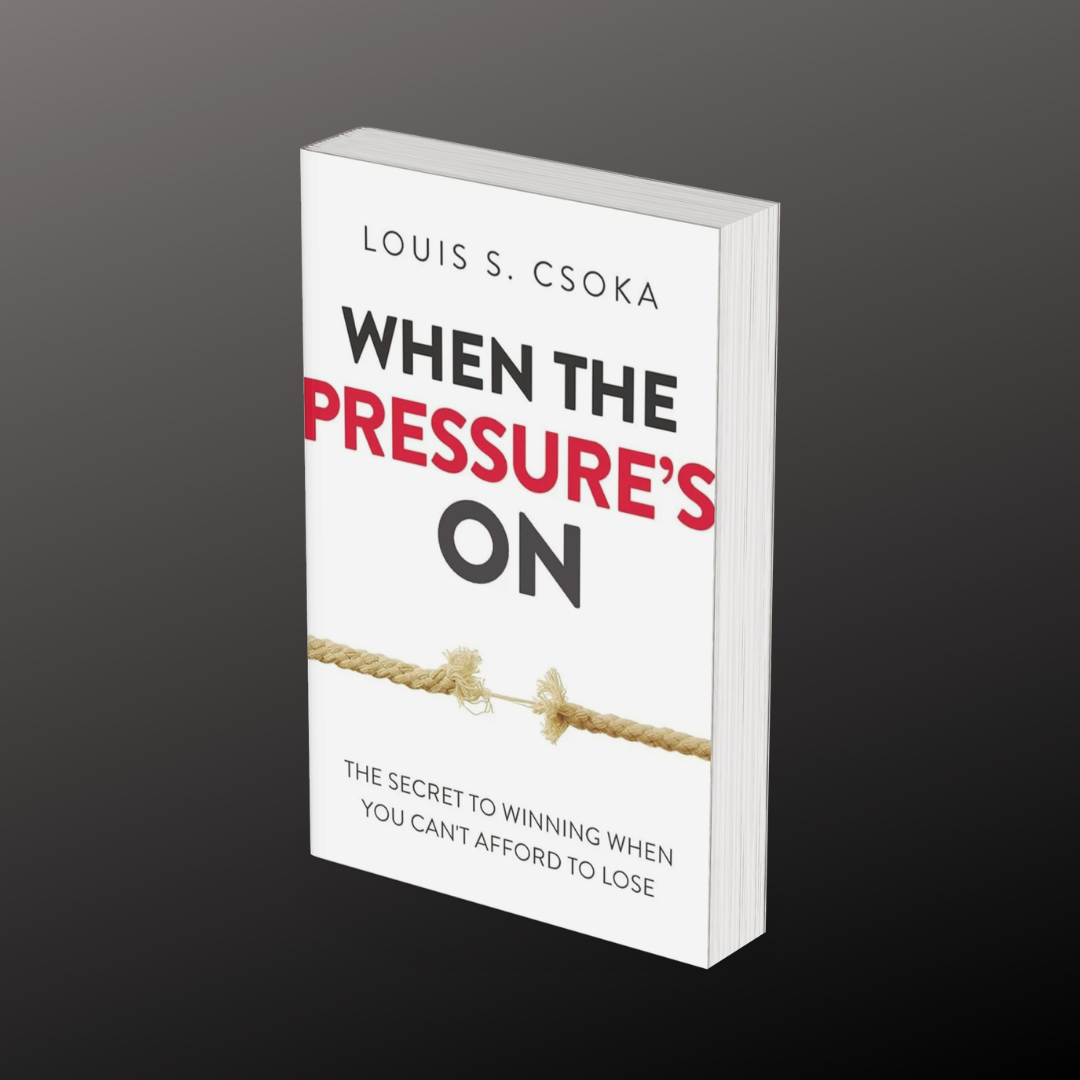
When the Pressure's On
Louis S. Csoka
This discussion explores how leaders perform effectively in high-pressure situations, based on Louis S. Csoka’s insights. The dialogue focuses on how pressure can either sharpen performance or degrade decision-making depending on preparation and mindset. It highlights the importance of self-awareness, emotional control, and disciplined thinking under stress. Rather than eliminating pressure, the goal is to manage and use it productively. The conversation emphasizes preparation, clarity, and resilience as critical factors. Ultimately, strong performance under pressure is built through habits, not luck.

Reflection on a Life of Service
Jim Delaney
This discussion reflects on the journey of leadership through service, drawn from Jim Delaney’s account of military life. It traces the transition from early uncertainty to responsibility, showing how leadership evolves through experience. The dialogue emphasizes that leadership is not about authority but about responsibility for others. It highlights the importance of trust, accountability, and carrying more than one’s share. Over time, leadership becomes less about achievement and more about impact on others. The central message is that service, character, and relationships define a meaningful life of leadership.
The 6 Key Dimensions Embodied by Effective Leaders
Leaderly
This discussion is about the Thayer Leadership Model. At the core of Thayer Leadership is the proprietary Thayer Leadership Model™, which bridges the gap between theoretical knowledge and decisive action by evaluating and developing individuals across the six key dimensions of truly effective leaders. These dimensions are Leader of Character, Leader of Competence, Leader of Commitment, Mission-First Focus, People-Always Approach, Thrives in VUCA (Volatility, Uncertainty, Complexity, and Ambiguity).
The Thayer Leadership Model
Leaderly
This discussion is about Thayer Leadership, which is a premier development organization that translates over two centuries of U.S. Army and West Point principles into actionable strategies for the corporate world. The Thayer Leadership Model™ focuses on building leaders of character through a specialized "Be, Know, Do" philosophy. The model utilizes a five-pronged learning approach that integrates academic study, hands-on experiential practice, personalized coaching, and inspiring keynote presentations. Headquartered at the Historic Thayer Hotel, the group offers customized programs designed to help teams navigate volatile and complex business environments.
Unruly
Lauren Weiner
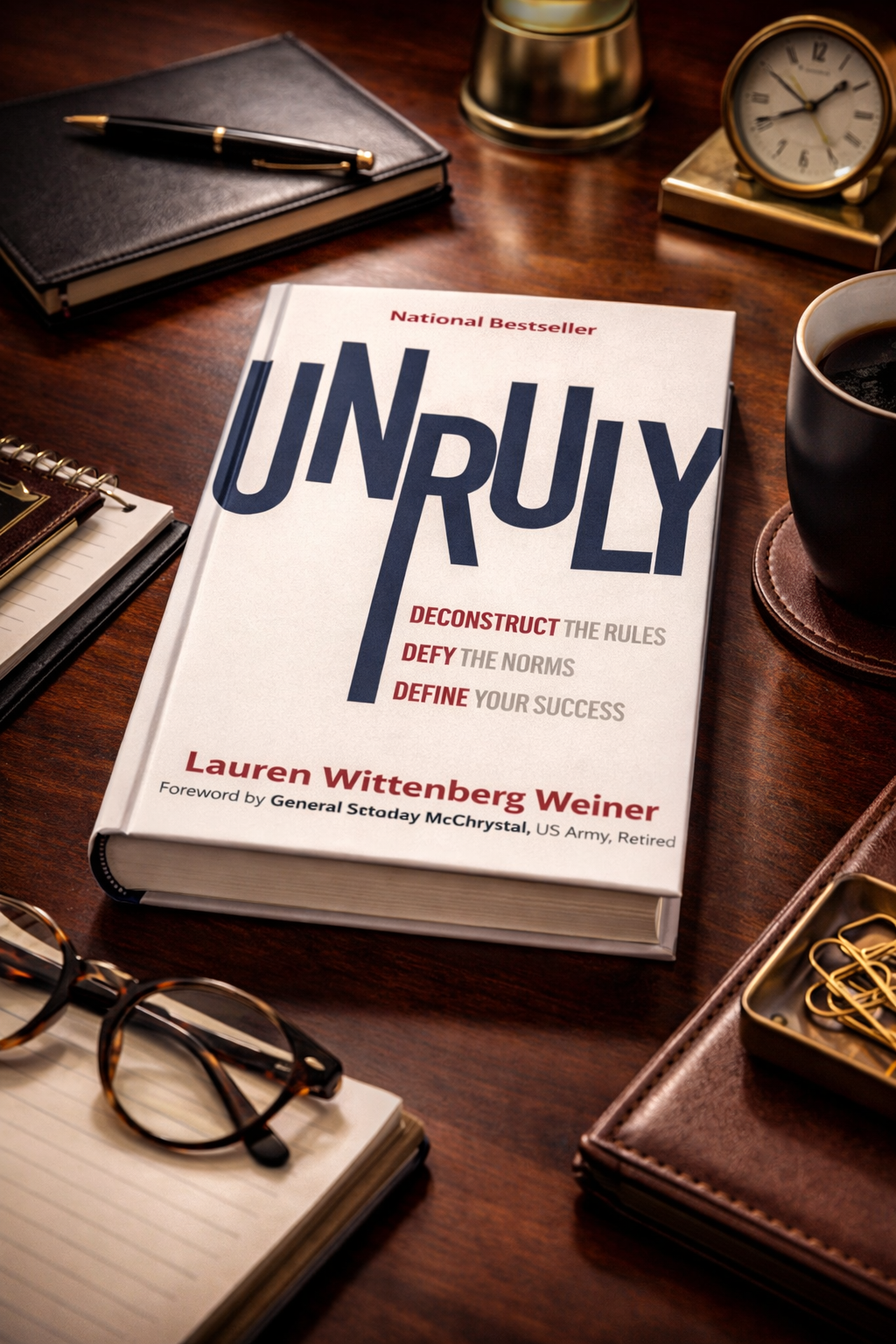
This discussion of Lauren Wittenberg Weiner’s book, Unruly, provides a strategic framework for achieving professional excellence by distinguishing between mandatory regulations and mere social assumptions. Weiner argues that true innovation requires a deep understanding of existing systems, allowing leaders to navigate them with intellectual independence rather than blind conformity. Instead of promoting reckless rebellion, the dialogue emphasizes values-based ambition and the importance of overcoming imposter syndrome through decisive action.
Grow Your Grit
David Fivecoat
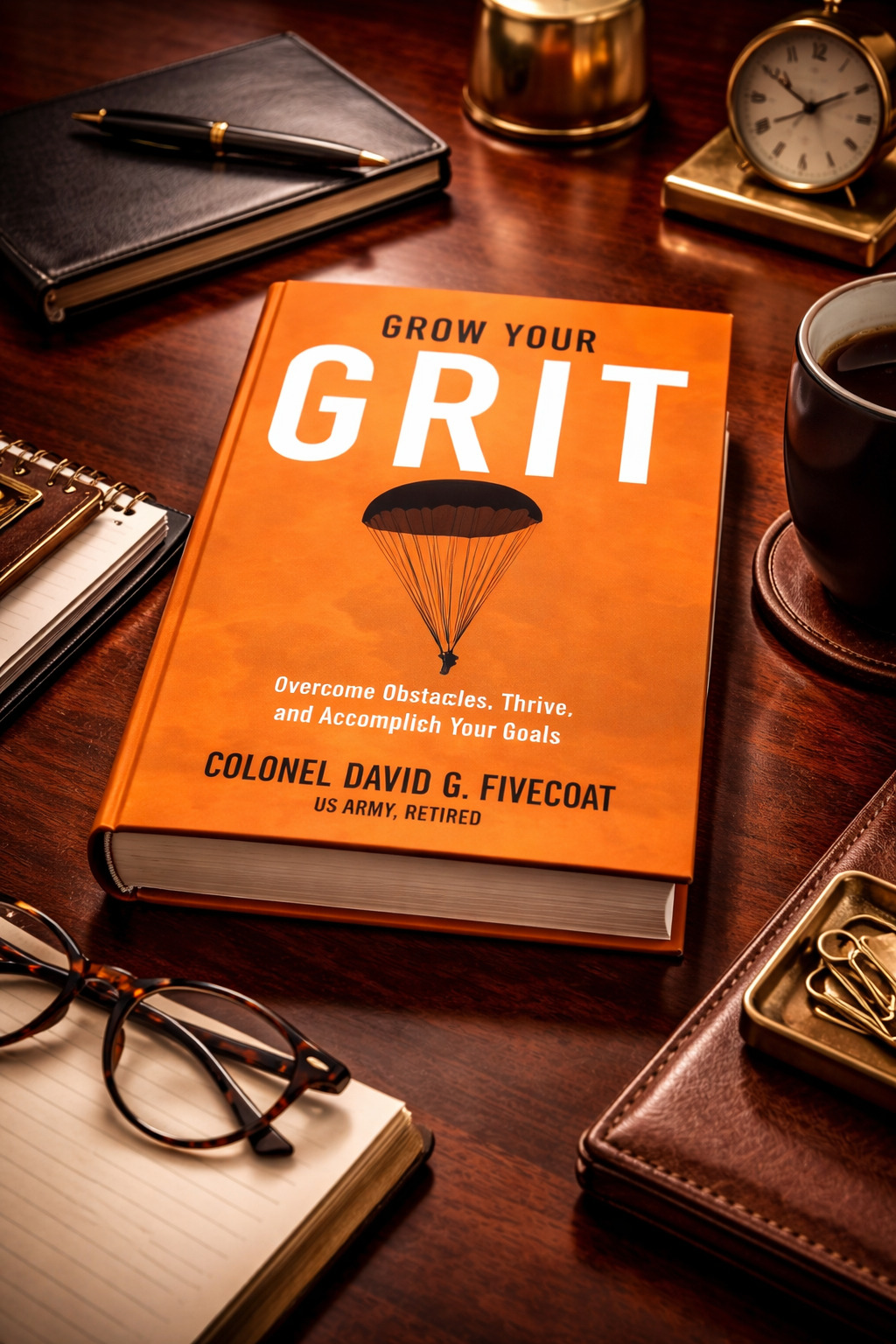
In this discussion of the book Grow Your Grit, David Fivecoat offers a comprehensive guide on cultivating resilience and persistence to achieve long-term success. Fivecoat argues that grit is a skill that can be intentionally developed through disciplined habits and a clear sense of purpose. By drawing on his experiences in the military and business sectors, Fivecoat illustrates how overcoming fear and embracing adversity are essential for personal and professional growth. The dialogue emphasizes that sustained effort often outweighs natural talent when pursuing meaningful objectives.

Where Good Ideas Come From
Steven Johnson
This discussion explores how innovation actually develops over time rather than appearing suddenly. Steven Johnson explains that great ideas often emerge from slow, connected thinking rather than single moments of insight. The dialogue introduces concepts like the “adjacent possible,” where new ideas build on existing ones. It highlights the importance of environments that encourage collaboration, curiosity, and idea-sharing. Innovation is shown to thrive in networks where information flows freely.

Dianetics: The Modern Science of Mental Health
L. Ron Hubbard
This discussion explores how Dianetics: The Modern Science of Mental Health presents a model for understanding how past experiences influence present behavior. The dialogue suggests that unresolved experiences can shape emotional responses and decision-making. It introduces the idea that increased self-awareness can help individuals process these influences more effectively. The focus is on recognizing patterns in thoughts, reactions, and behaviors. By becoming more aware of these patterns, individuals can respond more intentionally rather than react automatically. The central message is that understanding the mind can lead to greater clarity and control.

Necessary Endings
Henry Cloud
This conversation explores how Necessary Endings teaches leaders to recognize when something has reached its natural conclusion. Henry Cloud explains that growth often requires letting go of people, habits, or systems that no longer serve a purpose. Avoiding endings can stall progress and create unnecessary complexity. The dialogue emphasizes making thoughtful, intentional decisions rather than reactive or delayed ones. It highlights that endings are not failures but part of healthy development. Moving forward requires the discipline to release what is no longer working.

Living, Leading and Loving Are One and the Same
Drew Bartkiewicz
This discussion reflects on the deeper meaning of living, loving, and leading, especially during moments of pause like Holy Week. It invites individuals to examine whether their lives align with purpose, growth, and care for others. The dialogue emphasizes that leadership is not separate from daily living but expressed through how we love and act. It highlights the challenge of balancing personal growth with service to others. Through reflection, struggle, and faith, clarity begins to emerge.
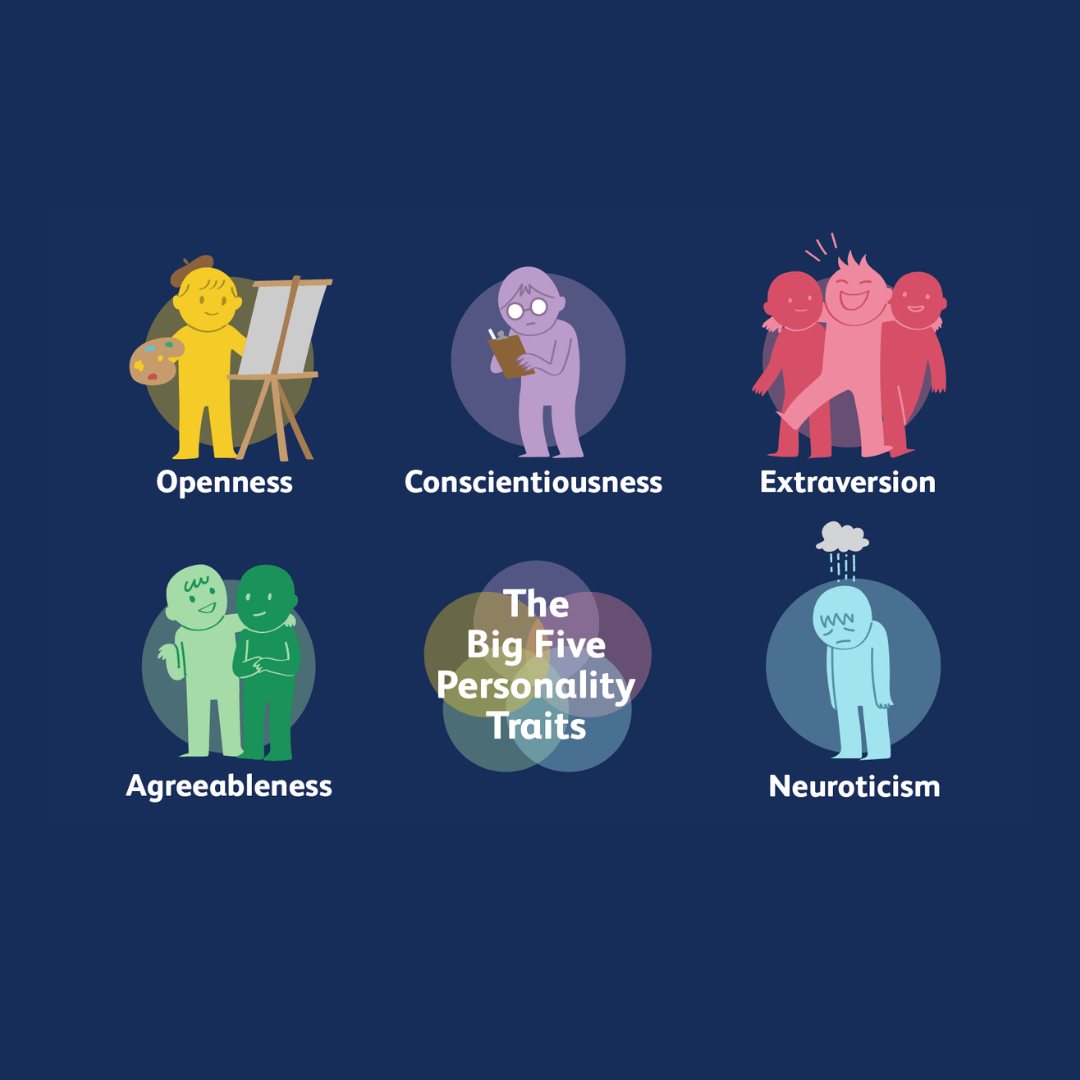
Big Five Personality Traits
Leaderly
This discussion introduces the Five Factor Model, also known as the Big Five personality traits. The five traits—Openness, Conscientiousness, Extraversion, Agreeableness, and Neuroticism—provide a framework for understanding human behavior and interpersonal dynamics. Each trait describes a continuum, helping people recognize tendencies in themselves and others. Understanding these traits can improve communication, teamwork, and leadership effectiveness. The model is widely used in psychology, organizational behavior, and leadership development. By applying these insights, individuals can better navigate relationships, influence outcomes, and foster stronger collaboration.
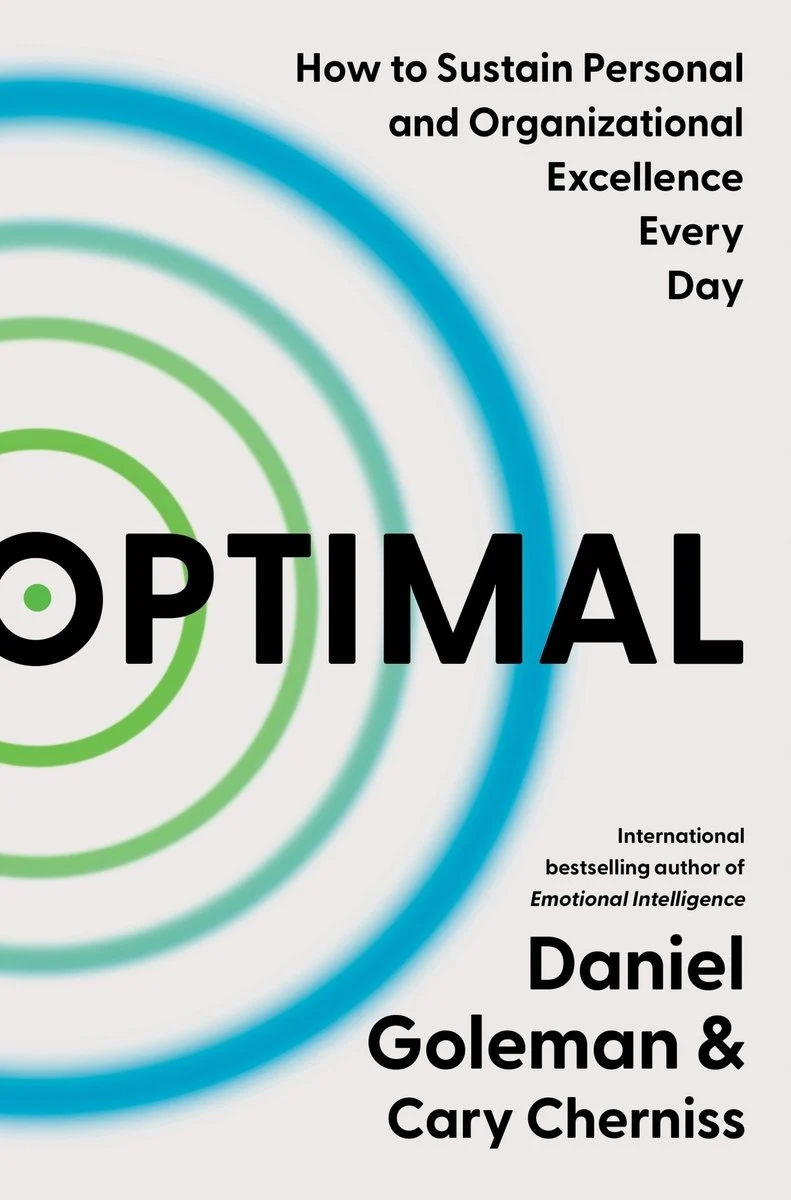
Optimal
Daniel Goleman and Chris Cherniss
Optimal, in which authors Daniel Goleman and Cary Cherniss introduce the concept of the "optimal zone" as a sustainable alternative to the elusive flow state. By mastering four key quadrants—self-awareness, self-management, social awareness, and relationship management—individuals can improve their workplace contributions and overall quality of life. The materials highlight that these learned competencies are supported by neurological research and are vital for effective leadership and team collaboration. When feeling overwhelmed or stressed at work, which emotional intelligence technique would you be most likely to use to regain your optimal state?