
Leader Talks
Listen to our latest Leader Talks
Short audio conversations on leadership, management, and coaching, from the Leaderly team.

Dopamine and Learning
Leaderly
This leadertalk discussion provides an overview of Dopamine, a neurotransmitter associated with pleasure and reward, plays a crucial role in learning. Reward-based learning is enhanced by dopamine release following positive outcomes, reinforcing successful behaviors. The brain uses dopamine to adjust predictions, improving future outcomes by increasing dopamine for exceeding expectations and decreasing it for falling short. Motivation and the ability to form long-term memories (synaptic plasticity) are also significantly influenced by dopamine levels. Therefore, understanding dopamine's influence is key to improving learning and educational strategies.
Coaching vs. Mentoring
Leaderly
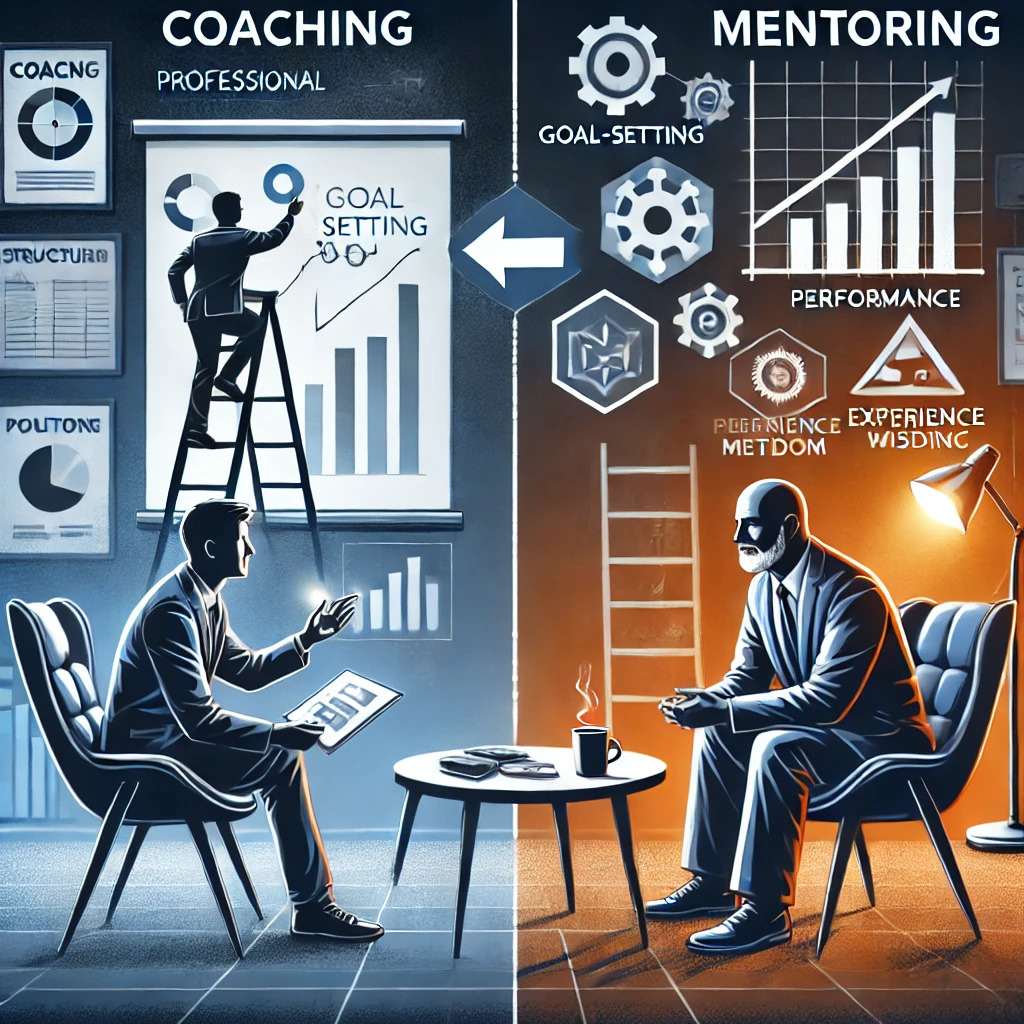
This discussion from Leaderly's "Leader Talks" series contrasts coaching and mentoring for leadership development. Coaching is presented as a short-term, targeted approach focused on improving specific skills, akin to a personal trainer for one's career. Mentoring, conversely, is described as a long-term relationship offering broader guidance and wisdom from experienced individuals. The discussion highlights that while coaching addresses particular challenges, mentoring supports holistic professional and personal growth. Ultimately, the dialogue suggests that both approaches offer unique benefits and can be complementary.
What Must Be Learned Will Be Re-Learned On Mobile
Drew Bartkiewicz
Leadership is not about knowing everything—it’s about being willing to learn, adapt, and re-learn. In a fast-paced, ever-changing world, mobile learning tools empower leaders to stay ahead, inspire their teams, and create lasting impact. This discussion emphasizes that by innovating leadership training through creative, personalized, and consistent mobile learning experiences, we cultivate stronger, more adaptable leaders who drive success for themselves and their organizations.

Albanese, The Sweet Legacy of Leading
Leaderly
Albanese Candy Company, founded in 1983, is a successful candy manufacturer known for its high-quality gummy candies and other confections. The company emphasizes a family-oriented culture, community involvement, and continuous innovation in its manufacturing processes to ensure product quality. Their diverse product line includes popular options like gummy bears, worms, and chocolate-covered treats, catering to various tastes and dietary needs, including vegan options. Positive customer reviews highlight the exceptional taste and texture of their candies. The company's success is attributed to its commitment to quality, community, and a fun, creative approach to candy-making.

The Intention of Compression
Drew Bartkiewicz
This conversation class advocates for embracing "compression," defined as strategically limiting resources and time to foster urgency and innovation within teams. Drew Bartkiewicz, CEO of Leaderly, argues that this pressure, rather than being an obstacle, enhances performance, strengthens team bonds, and unlocks individual potential. He emphasizes the importance of a leader's ability to both utilize and inspire others to accept this approach. The overall message promotes a proactive, results-oriented leadership style that thrives under pressure. Ultimately, embracing compression is presented as key to achieving ambitious goals and fostering a high-performing team. Do you deal with compression as a leader? Most importantly, do you seek compression out?

The Power of Moments
Chip Heath and Dan Heath
The Power of Moments, Chip Heath and Dan Heath explore why certain moments have a lasting impact and how we can intentionally create them. They argue that defining moments are not random; they are crafted. This discussion highlights that by intentionally creating defining moments using elevation, insight, pride, and connection, leaders can transform workplaces, inspire teams, and leave a lasting legacy.
The Mind of the Leader
Rasmus Hougaard and Jacqueline Carter
Leadership is no longer about power and control—it’s about influence, trust, and human connection. The Mind of the Leader shifts the focus from traditional leadership models to a more people-centered approach, where the leader’s inner qualities shape their external impact. This discussion highlights that by embracing mindfulness, selflessness, and compassion, leaders can create workplaces where employees feel engaged, valued, and motivated.

First, Break all the Rules
Marcus Buckingham and Kurt Coffman
First, Break All the Rules is a call for leaders to rethink outdated management practices and focus on what truly drives performance—leveraging strengths, personalizing leadership, and hiring for talent. This dialogue emphasizes that by embracing these unconventional strategies, leaders create more engaged teams, improve retention, and ultimately, achieve greater success.

The Innovator’s Dilemma
Clayton Christensen
Clayton Christensen's The Innovator's Dilemma explains why successful companies fail when confronted with disruptive innovation. The book contrasts sustaining innovations, which improve existing products, with disruptive innovations, which initially offer inferior but cheaper alternatives that eventually dominate the market. This dialogue highlights the importance of proactive leadership in identifying and investing in potentially disruptive technologies before competitors do.

Drive
Daniel Pink
Daniel Pink's Drive challenges traditional views on motivation, arguing that intrinsic motivation—driven by autonomy, mastery, and purpose—is superior to extrinsic rewards. This discussion highlights how external rewards can hinder creativity and problem-solving, while emphasizing the importance of creating a work environment that fosters a sense of meaning and contribution.
Yellow Phase: Army Basic Training
Leaderly
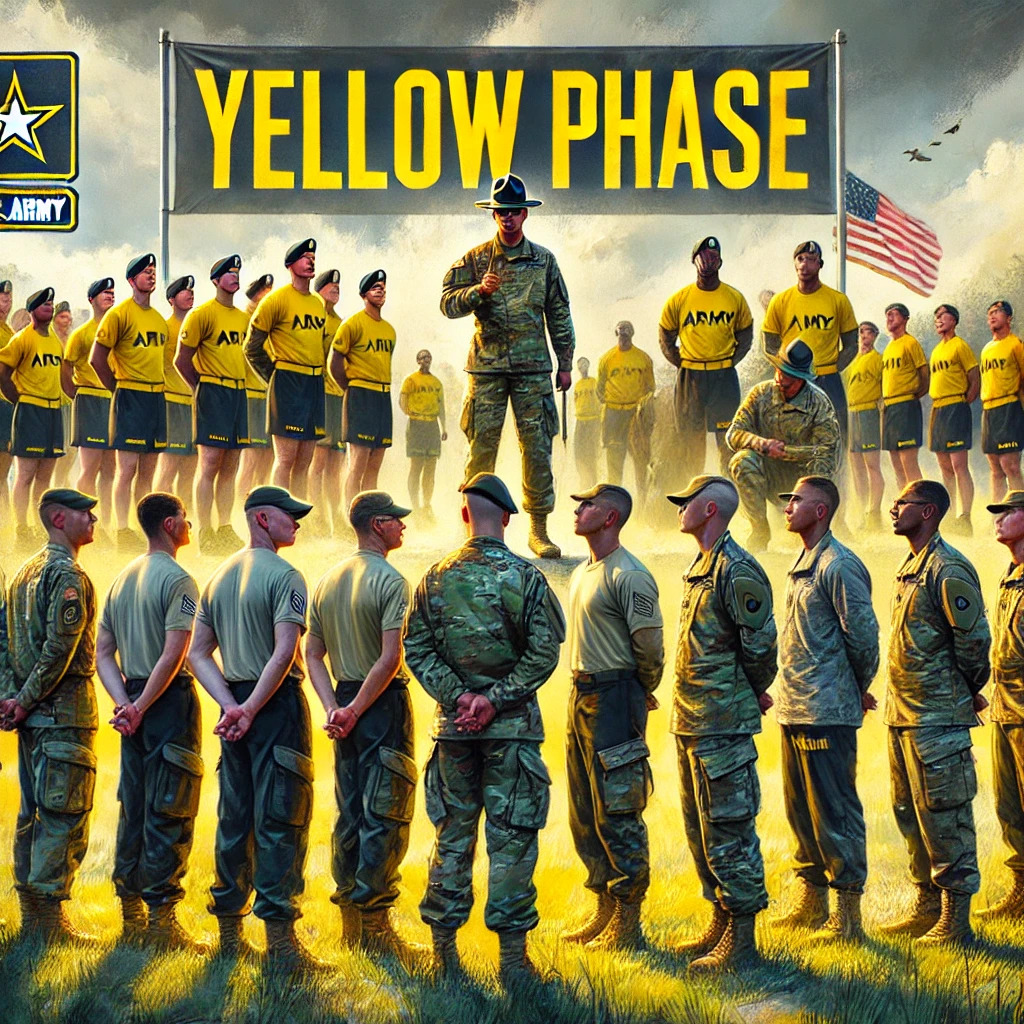
This discussion details the U.S. Army's Basic Combat Training (BCT) Yellow Phase, the initial two-week period of a recruit's journey. This phase focuses on transitioning civilians into soldiers through administrative tasks, uniform issuance, and introductions to Army values, customs, and physical training. Crucially, it emphasizes team building and the development of basic tactical skills. The Yellow Phase lays the groundwork for subsequent, more advanced training, equipping recruits with fundamental military knowledge and discipline.

Management vs. Leadership: What’s the Difference?
Sunny Bindra
Management vs. Leadership: What’s the Difference? by Sunny Bindra contrasts management and leadership, emphasizing that management prioritizes efficiency and process, while leadership focuses on vision, innovation, and empowering others. This dialogue highlights key differences between the two roles, arguing that both are crucial for organizational success.
Leadership Development and Engagement System
Leaderly
The discussion describes the purpose and benefits of a Leadership Development and Engagement Systems (LDES) which focuses on cultivating leadership skills, enhancing employee engagement, and aligning leadership development with organizational goals. An LDES utilizes technology to improve learning and development, emphasizing personalized learning experiences and data-driven insights.
Learning from Discussions
Leaderly
This discussion compares the effectiveness of learning through conversations versus lectures. The dialogue also states that conversational learning, while potentially less structured, generally leads to better engagement, retention, and critical thinking due to active participation and diverse perspectives. Conversely, lectures offer efficient delivery of structured information, ideal for foundational knowledge. Ultimately, a combined approach, leveraging lectures for foundational knowledge and conversations for deeper understanding and application, is recommended for optimal learning.

Primal Leadership: Realizing the Power of Emotional Intelligence
Daniel Goleman, Richard Boyatzis, and Annie McKee
Primal Leadership emphasizes the crucial role of emotional intelligence in effective leadership. This dialogue identifies leadership styles, highlighting how resonant leaders, characterized by high emotional intelligence, foster positive work environments and improved team performance.

The Effective Executive
Peter F. Drucker
This discussion summarizes Peter Drucker's The Effective Executive, highlighting key principles for effective leadership. Drucker emphasizes that leadership is about effectiveness—using one’s time, strengths, and decision-making power wisely. These principles are essential for leaders who want to maximize their impact, inspire their teams, and drive meaningful results. By applying Drucker’s methods, leaders can create a structured approach to productivity, strategic thinking, and long-term success.

Gen Z @ Work: How the Next Generation Is Transforming the Workplace
David Stillman and Jonah Stillman
Gen Z @ Work by David Stillman and Jonah Stillman highlights how this generation’s values, work styles, and expectations are transforming leadership and workplace dynamics. Leaders must develop flexible, transparent, and technology-driven management strategies to meet the expectations of Gen Z employees. This discussion emphasizes that by embracing change and prioritizing inclusion, leaders can build a thriving, multi-generational workforce.

The Remix: How to Lead and Succeed in the Multigenerational Workplace
Lindsey Pollak
The Remix emphasizes that leadership today is about adaptation and inclusion. Leaders who understand generational differences can foster collaboration, innovation, and productivity. This dialogue highlights that by embracing flexibility, effective communication, and mutual learning, leaders can create a thriving work environment where every generation contributes to success.
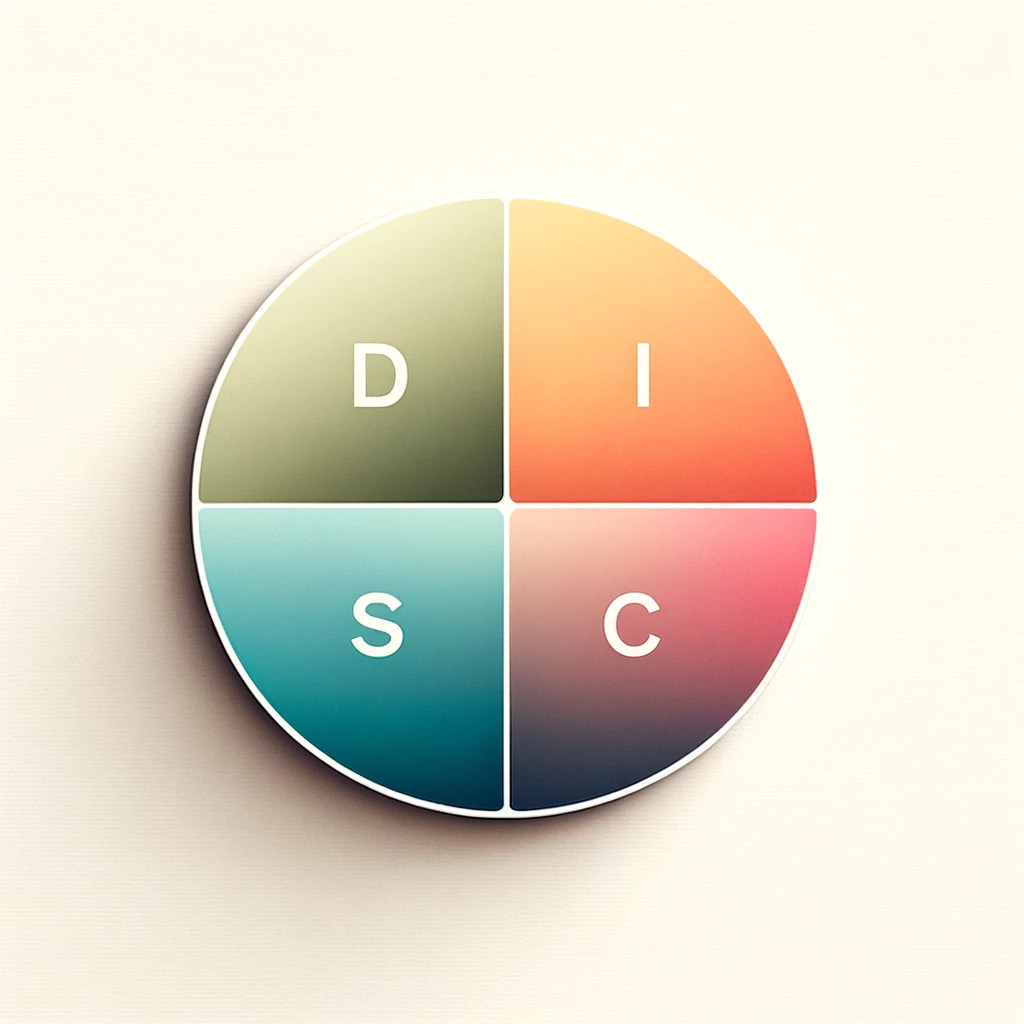
DiSC: A Guide for Individuals and Leaders
Leaderly
This discussion explains the DiSC assessment, a behavioral tool used to understand personality types. It details the four DiSC profiles—Dominance, Influence, Steadiness, and Conscientiousness—highlighting their traits, strengths, and challenges. The discussion further illustrates how DiSC benefits individuals by improving self-awareness and communication, and benefits leaders by enhancing team dynamics and decision-making. Finally, the dialogue outlines various organizational applications of DiSC, including leadership development, hiring, and team building.
A Message to Garcia
Elbert Hubbard
This discussion is about Elbert Hubbard's "A Message to Garcia." Hubbard's motivational essay highlights the importance of initiative and personal responsibility. This discussion uses the story of Lieutenant Andrew Rowan's successful delivery of a crucial message during the Spanish-American War to illustrate the value of proactive problem-solving and unwavering dedication. While lauded for its inspirational message emphasizing self-reliance and efficiency, the essay has also faced criticism for potentially oversimplifying complex workplace dynamics and neglecting the importance of collaboration and strategic planning. Its enduring popularity stems from its concise and powerful message promoting a strong work ethic and unwavering commitment to assigned tasks.

Retrieval Psychology to Learn and Lead
Leaderly
Retrieval psychology focuses on how people access and utilize stored memories. The process involves identifying memory triggers, understanding cognitive mechanisms, and employing techniques to enhance recall. Improving retrieval involves using cues, recreating contexts, and visualizing information. The text highlights the significance of retrieval psychology in leadership, particularly for maintaining communication and shared understanding within dispersed teams, as discussed in Drew Bartkiewicz's forthcoming book, "microleading."