
Leader Talks
Listen to our latest Leader Talks
Short audio conversations on leadership, management, and coaching, from the Leaderly team.
Developing an Emerging Leaders Program
Leaderly
This discussion focuses on how Emerging Leaders Programs (ELPs) are crucial for developing high-potential employees into future leaders. Effective ELPs incorporate several key components: identifying high-potential individuals, providing structured leadership training and mentorship, offering experiential learning opportunities, and facilitating continuous feedback and assessment. The dialogue outlines programs which aim to build a strong leadership pipeline, ensuring organizational success through the development of adaptable and forward-thinking leaders. Program evaluation and continuous improvement are vital for long-term effectiveness.
Meditations of an Army Ranger
J.C. Glick
This discussion focuses on J.C. Glick's Meditations of an Army Ranger which explores his experiences as an Army Ranger. Glick examines key themes including the development of a warrior mindset, the challenges of leadership under pressure, and the profound impact of responsibility and loss. This discussion also covers the importance of camaraderie, the struggles of dealing with trauma, and the transition back to civilian life. Finally, Glick offers personal reflections on the psychological and emotional aspects of military service and the search for purpose afterward.

Light in the Darkness: Seven Paths to Healing
J.C. Glick
This discussion focuses on how J.C. Glick's reflections on his experiences with war and PTSD form the core of this excerpt. Seven key themes are explored, including the lasting impact of war, the importance of addressing mental health challenges, and the power of community support in recovery. Glick emphasizes the significance of finding purpose, embracing vulnerability, and the healing potential of shared stories. Ultimately, this discussion highlights resilience and hope as crucial elements in overcoming trauma.
The Commit Foundation: Veteran Transition Support
Leaderly
This discussion focuses on The Commit Foundation which is a non-profit organization established in 2012 that assists veterans, especially those from Special Operations and senior leadership roles, in transitioning to civilian life. The foundation's mission is to reshape perceptions of military transitions for both veterans and employers. The discussion dives into how the foundation achieves this through personalized career counseling, mentorship, workshops, and networking opportunities designed to help veterans identify transferable skills and find fulfilling careers. The foundation aims to build confidence, foster community, and create lasting positive impact for veterans and their families. Their services include individual coaching, access to a mentor network, and corporate engagement to facilitate successful transitions.

Leadership in the Shadows
Kyle Lamb
This discussion focuses on Kyle Lamb's book "Leadership in the Shadows" and offers practical leadership advice based on his Special Operations experience. Kyle Lamb emphasizes servant leadership, leading by example, and adaptability in high-pressure situations. The discussion also stresses the importance of communication, preparation, humility, and resilience, highlighting the often-unseen contributions of leaders. The principles in this book, while rooted in military contexts, are applicable to diverse leadership roles across various fields.

The Transformation of Leading as a Founder
Drew Bartkiewicz
Drew Bartkiewicz, CEO of Leaderly, reflects on his ten-year journey as a founder, likening the experience to three films: Groundhog Day (the repetitive grind), Gladiator (the fleeting glory), and Apollo 13 (the grit of survival). He describes the intense emotional and psychological transformations each phase entails, highlighting the importance of faith, friends, and purpose. Bartkiewicz emphasizes the arduous yet ultimately rewarding nature of the founder experience, despite the high failure rate, and the lasting personal growth it provides. He concludes by encouraging aspiring founders to embrace the challenges ahead. Have you ever been part of a transformational experience?
The Pat Tillman Foundation
Leaderly
This discussion is about the Pat Tillman Foundation which supports military veterans and their families by providing scholarships for higher education and leadership development opportunities. Its core mission is to honor Pat Tillman's legacy of service and leadership. The foundation fosters a community of service-oriented leaders, encouraging civic engagement and inspiring others to contribute to society. The discussion focuses on key programs which include scholarships, leadership summits, and mentorship initiatives. The foundation's ultimate goal is to empower veterans to become impactful leaders and effect positive change. This is achieved by promoting resilience, perseverance, and a commitment to service.

The Leadership Challenge
James M. Kouzes and Barry Z. Posner
Leadership is more than a role; it’s a relationship built on trust, vision, and collaboration. In The Leadership Challenge: How to Make Extraordinary Things Happen in Organizations, James M. Kouzes and Barry Z. Posner provide a practical framework for becoming an effective leader. This dialogue explores key principles from the book, helping you inspire, empower, and lead with purpose.

Lead by Example: 50 Ways Great Leaders Inspire Results
John Baldoni
Leadership is not just about holding a position of authority—it's about inspiring others through your actions and character. In Lead by Example: 50 Ways Great Leaders Inspire Results, John Baldoni highlights how exceptional leaders influence those around them by embodying the values they wish to see in their teams. This discussion explores key insights from the book, helping you reflect on how to lead with integrity, empower others, and create a lasting impact.

The Leader's Guide to Coaching in Schools: Creating Conditions for Effective Learning
John Campbell and Christian van Nieuwerburgh
Coaching is a powerful tool for fostering personal and professional growth. In The Leader's Guide to Coaching in Schools, John Campbell and Christian van Nieuwerburgh emphasize how coaching practices can create conditions for effective learning and empower school leaders, teachers, and students. This dialogue explores key insights from the book and how they relate to leadership in educational settings.

Good Team, Bad Team: Lead Your People to Go After Big Challenges, Not Each Other
Sarah Turber and Blair Miller
Building and leading a successful team can be one of the most rewarding yet challenging aspects of leadership. In Good Team, Bad Team: Lead Your People to Go After Big Challenges, Not Each Other, Sarah Turber and Blair Miller explore what separates high-performing teams from those that struggle with conflict and misalignment. This discussion offers practical strategies for leaders to foster collaboration, build trust, and ensure their teams stay focused on shared goals.

The Mentoring Manual: Your Step-by-Step Guide to Being a Better Mentor
Julie Starr
This discussion draws insights from Julie Starr's The Mentoring Manual, highlighting mentorship as a foundational element of servant leadership. By focusing on empowering others to grow and thrive, mentorship enables leaders to develop future leaders, cultivate meaningful relationships, and nurture a shared sense of purpose within their teams. The book underscores the importance of structured mentoring approaches as a powerful tool for fostering growth and collaboration.
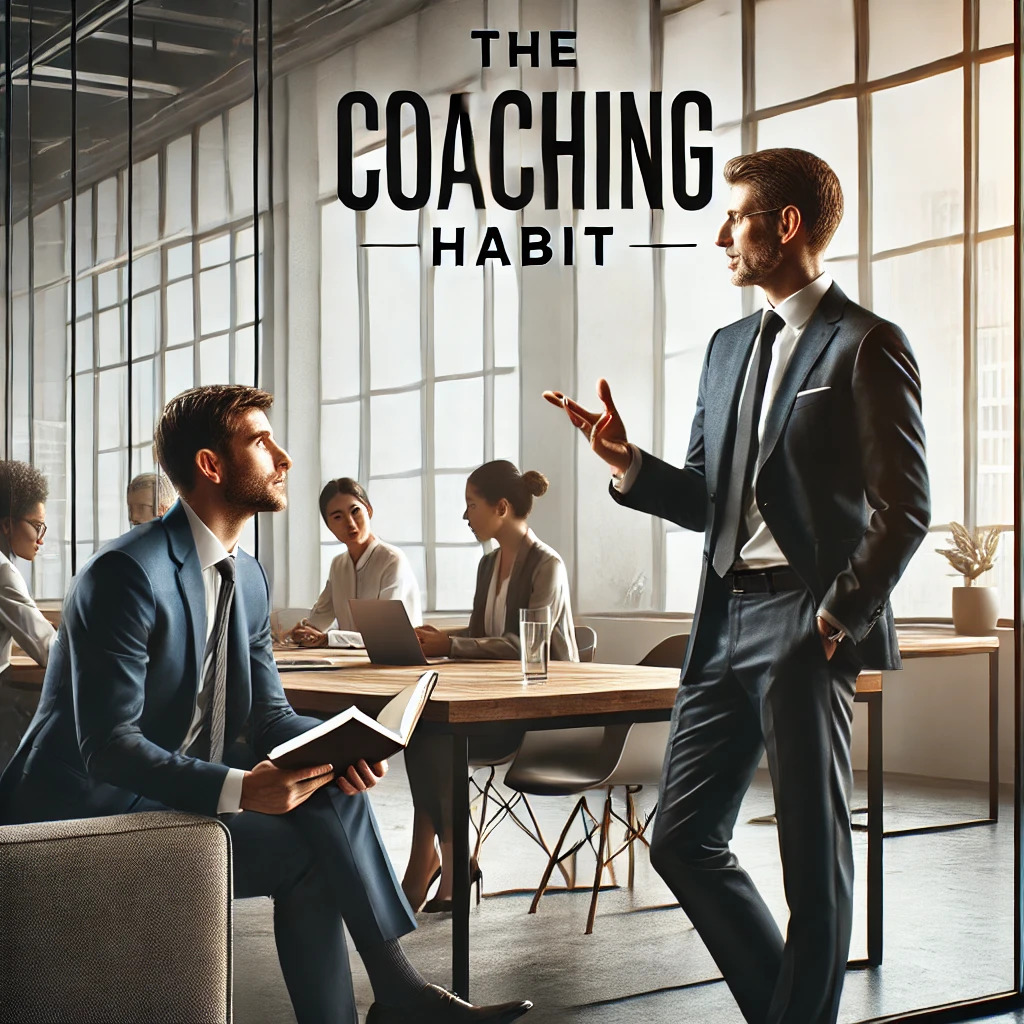
The Coaching Habit: An overview
Michael Bungay Stanier
Michael Bungay Stanier's The Coaching Habit advocates for a leadership style centered around asking powerful questions instead of providing answers. This discussion outlines seven key questions designed to guide individuals toward self-discovery and problem-solving. It emphasizes building a coaching mindset that prioritizes active listening and empowers team members to find their own solutions. The core principle is shifting from a directive approach to one that fosters self-reliance and continuous growth within a team. Practical strategies for incorporating this coaching style into daily interactions are also provided in this discussion.

Small Acts of Leadership
Shawn Carpenter
Small Acts of Leadership by Shawn Carpenter serves as a powerful reminder that leadership is not about having the loudest voice in the room—it’s about being intentional in your actions, interactions, and presence in the world. This discussion emphasizes that by committing to small, consistent acts, you can make a meaningful impact and inspire others to follow your example.

We’re All in This Together
Mike Robbins
Mike Robbins’ We’re All in This Together explores how individuals and organizations can create environments where collaboration thrives. This dialogue highlights practical ways leaders can foster engagement, inclusion, and authenticity, emphasizing the importance of emotional intelligence and vulnerability.

Smart Tribes
Christine Comaford
Christine Comaford's Smart Tribes provides valuable insights for leaders aiming to build high-performing teams by addressing the core human needs for safety, belonging, and significance. The dialogue emphasizes the importance of fostering emotional engagement to help teams transition from a reactive "critter state" to a resourceful, innovative "smart state." With actionable strategies, this discussion guides leaders in creating a culture of trust, collaboration, and peak performance, enabling teams to excel in dynamic environments.

Who Moved My Cheese?
Spencer Johnson
Spencer Johnson’s Who Moved My Cheese? presents a powerful metaphor for dealing with change, using a simple but insightful story to demonstrate how different people respond to shifting circumstances. This discussion explores the story’s key ideas on how to embrace change, overcome fear, and inspire those around us to do the same.

What Got You Here Won't Get You There
Marshall Goldsmith
Marshall Goldsmith’s What Got You Here, Won’t Get You There offers invaluable insights for leaders aiming to elevate their effectiveness. This discussion emphasizes that leadership success depends on self-awareness, adaptability, and emotional intelligence. By addressing counterproductive habits, leaders can foster trust, build stronger relationships, and inspire their teams to achieve collective goals.
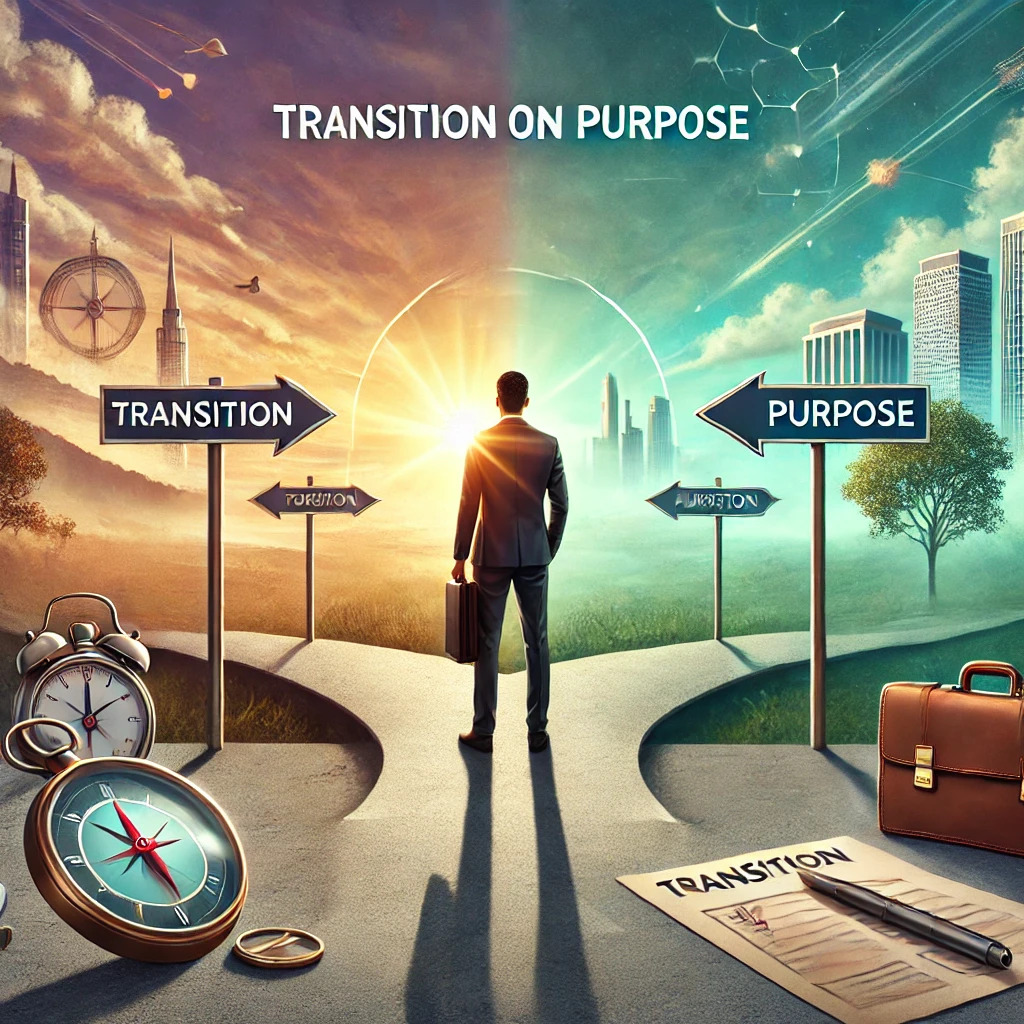
Transition on Purpose: An Overview
Dennis Volpe
This discussion provides an overview of "Transition On Purpose" a book by Dennis Volpe which offers a framework for personal and professional transitions. Volpe shares his own experiences, including a career in the Navy and subsequent career change, illustrating the book's concepts. The dialogue emphasizes self-reflection, exploration, and action, encouraging readers to identify their values, build supportive networks, and develop actionable plans. The discussion also provides a structured approach, incorporating concepts from coaching and military planning, to guide readers through significant life changes. Ultimately, this discussion aims to empower readers to purposefully shape their futures and achieve greater fulfillment.

The Power of Now
Eckhart Tolle
Leaderly's analysis of Eckhart Tolle's "The Power of Now" highlights how principles of present moment awareness, ego transcendence, acceptance, and mindfulness can improve leadership. This conversation emphasizes that embracing the present, managing ego, cultivating acceptance, and practicing mindfulness fosters better communication, compassion, and resilience in leaders. This, in turn, creates a more positive and productive work environment where team members thrive and experience a greater sense of purpose. Ultimately, the dialogue promotes a leadership style built on authenticity, compassion, and resilience, leading to both personal and organizational fulfillment. How well to you apply the power of now?

Leadership from the Margins: Insights from Underdogs
Leaderly
Harriet Tubman, Nelson Mandela, and Malala Yousafzai—each overcame significant adversity to achieve remarkable success, demonstrating the power of resilience, purpose, and empathy in leadership. This discussion highlights how challenging backgrounds can foster valuable leadership qualities, ultimately arguing that impactful leadership is accessible to anyone, regardless of their origin.