
Leader Talks
Listen to our latest Leader Talks
Short audio conversations on leadership, management, and coaching, from the Leaderly team.

Man in the Arena
Theodore Roosevelt
This discussion is about an excerpt from Theodore Roosevelt's "The Man in the Arena" speech, which argues that credit belongs to those who participate and strive, rather than critics. It highlights that true courage involves facing risk and potential failure by engaging directly in challenges. Roosevelt emphasizes that dedicated effort is more admirable than achieving perfection, and that failure while attempting something significant is honorable. Ultimately, the passage suggests that living boldly and actively trying is preferable to passively avoiding engagement out of fear.
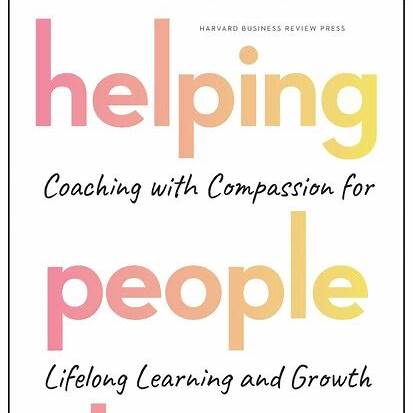
Helping People Change: Coaching with Compassion
Boyatzis et al.
This discussion explores the transformative coaching method presented in the book Helping People Change, which advocates for coaching with compassion over traditional performance-based approaches. This compassionate method, supported by research in psychology and neuroscience, emphasizes helping individuals identify their personal aspirations and values to drive lasting change. Key concepts include the Intentional Change Theory (ICT), outlining a non-linear process of self-discovery and growth, and the role of emotional attractors in creating an environment conducive to learning. The importance of resonant relationships and the integration of neuroscience findings further underscore the efficacy of this approach for fostering meaningful development in others.
The Coaching Habit
Michael Stanier
This discussion explores Michael Bungay Stanier's book, "The Coaching Habit," which advocates for making coaching a regular part of daily interactions rather than a formal process. The core of this approach lies in utilizing seven specific, powerful questions designed to prompt reflection and solutions from others, effectively encouraging leaders to listen more and offer fewer direct answers. By resisting the impulse to provide solutions and instead cultivating curiosity, leaders can help individuals develop their own capabilities and autonomy. Ultimately, the discussion highlights how embedding simple questioning into routines builds a coaching habit, leading to improved leadership and team effectiveness.

Coaching for Performance
Sir John Whitmore
This discussion is about Sir John Whitmore's book "Coaching for Performance, which is a seminal work in the field, lauded for popularizing the GROW model as a structured approach to coaching conversations focused on defining Goal, understanding Reality, exploring Options, and establishing the Will to act. The core philosophy emphasizes improving performance through fostering awareness and responsibility rather than traditional, directive management. The discussion distinguishes between task-focused transactional coaching and growth-oriented transformational coaching, ultimately advocating for embedding a coaching culture throughout organizations to promote engagement and sustained improvement.

The Road Less Traveled
Scott Peck
This discussion is about M. Scott Peck's "The Road Less Traveled" which presents a psychology of personal and spiritual growth centered on the idea that life is inherently difficult. Peck author argues that navigating these difficulties effectively requires discipline, outlined through four specific tools. Love is defined not as a feeling but as a deliberate act of will aimed at fostering growth in oneself and others. Furthermore, self-examination is crucial for mental and spiritual advancement, while a mysterious force called grace can aid in healing and growth. Ultimately, the discussion emphasizes that growth is a painful yet necessary process for achieving maturity and fulfillment.

Switch: How to Change Things when Change is Hard
Heath et al.
This discussion is about "Switch: How to Change Things when Change is Hard" by Chip and Dan Heath, which presents a framework for understanding and achieving transformation by addressing three key components: the rational mind (the Rider), which needs clear direction; the emotional mind (the Elephant), which requires motivation; and the environment or situation (the Path), which should be shaped to facilitate desired behaviors. The dialogue explains that effective change happens when these three elements are aligned, emphasizing the importance of providing explicit guidance, inspiring emotional engagement, and modifying the surroundings. Crucially, the discussion also concludes that taking action and changing behavior is often the catalyst for gaining understanding and insight, rather than the reverse.

Life Is in the Transitions
Bruce Feiler
This discussion offers insights into Bruce Feiler's book, "Life Is in the Transitions," which redefines how we view life's journey, suggesting it is not a predictable path but a series of unpredictable changes and events. The discussion highlights how individuals navigate these disruptions, known as "lifequakes," and presents a three-stage framework for understanding the process of transition, from acknowledging endings to embracing new beginnings. Emphasizing the therapeutic power of storytelling and offering practical tools for coping, the dialogue summarizes the book's core ideas about embracing change, finding meaning in upheaval, and building resilience.
Managing at the Speed of Change
Daryl Connor
Thid discussion centers around Daryl R. Conner's book, "Managing at the Speed of Change," a key work in change management. Connor argues that rapid change often overwhelms people and organizations, causing issues like stress and resistance, which Conner calls "future shock." To combat this, the discussion highlights resilience—the ability to absorb change effectively—as crucial for success. Key concepts discussed include understanding the predictable human reactions to change, recognizing the importance of defined roles in change initiatives, ensuring organizational culture supports change, and the idea of a "burning platform" to create urgency. Ultimately, the dialogue presents the book as offering a comprehensive framework for navigating change by considering both psychological and cultural elements.

The School of Maybe
School of Maybe Project
This conversation provides an overview of the upcoming documentary "School of Maybe," which explores the profound impact of uncertainty and possibility. Based on the experiences of former students at the United States Military Academy Prep School in 1985, the film highlights how embracing the unknown can lead to self-discovery and resilience. The discussion emphasizes that "maybe" is not a state of indecision but rather a call to action and a powerful mindset applicable to everyone, especially relevant for a generation facing significant uncertainty. The documentary's key message revolves around the transformative power of possibilities in overcoming life's challenges. Leading is one part affirming what you know, and one part having the courage to face what you don’t.

2 Zachs - A Movie No Father Wanted to Make
Jim Drake and Marc Porterfield
"2 Zachs. Two Fathers Against Suicide" is an upcoming film project focusing on the personal journeys of Jim Drake and Marc Porterfield, two fathers whose sons, both named Zach, died by suicide. Driven by their shared loss, they aim to understand the reasons behind these tragedies and the broader issue of suicide as a major public health concern. The film will explore statistics on suicide in the United States, interview suicide survivors, and investigate the current state of mental health treatment and prevention programs. Ultimately, the fathers seek to identify potential solutions and advocate for systemic change to reduce suicide rates. The growth in understanding mental health is directly intersecting with leadership at all phases of life.

The Habits to Lead with Leaderly
Drew Bartkiewicz
This Leaderly discussion emphasizes that leadership is a crucial and transformative habit that can benefit individuals and organizations immensely. The dialogue proposes that despite numerous resources available, continuous leadership development is often fragmented and inaccessible. Leaderly proposes a technology-driven solution to personalize and deliver leadership insights and actionable habits on an ongoing basis, arguing that leadership is not a one-time academic pursuit but a mindset and a collection of habits. The conversation suggests that everyone possesses the potential to lead, and Leaderly aims to unlock these innate abilities through personalized learning experiences.

Aconcagua, The Lesson of Process Over Outcome
Dave Taylor
This conversation class centers on Dave Taylor's journey to successfully summit Aconcagua after a failed first attempt, emphasizing the importance of focusing on the process rather than solely the outcome. After his initial disappointment due to altitude sickness, Taylor refined his preparation, including using a professional guiding company, hiring porters, engaging a specialized trainer, and incorporating breathwork techniques. He also spent extended time at altitude for physical and mental acclimation and highlighted the significance of paying attention to small details like health and hydration. Ultimately, Taylor's shift in mindset and rigorous preparation allowed him to capitalize on a weather window and achieve his goal, underscoring that success comes from dedicated effort and intentional actions, not just chasing the result. Ask yourself how well you adjust your process?

Stop Overthinking
Nick Trenton
This discussion explores strategies for understanding and overcoming overthinking, which often stems from anxiety, fear, or a need for control. Overthinking creates mental loops that drain energy and hinder clear decision-making. The dialogue emphasizes the importance of mindfulness and grounding techniques to stay present and break these cycles. Practicing awareness allows individuals to observe their thoughts without becoming overwhelmed by them. Cognitive behavioral strategies are also highlighted as tools for challenging and reframing unproductive thinking patterns. Together, these practices help reduce stress and support a calmer, more focused mind.

Everyone Communicates, Few Connect
John C. Maxwell
This dialogue explores Everyone Communicates, Few Connect by John C. Maxwell, which emphasizes that true communication is about building meaningful connections, not just delivering messages. Maxwell argues that the ability to connect is a learnable skill that can dramatically improve influence and relationships. One core principle is shifting focus from the speaker to the audience—understanding their needs, interests, and emotions. Authenticity, clarity, and emotional resonance are essential to creating trust and impact. The discussion highlights the power of storytelling and non-verbal communication in deepening engagement. Ultimately, great communicators succeed not by impressing, but by genuinely connecting with others.

The 21 Irrefutable Laws of Leadership
John C. Maxwell
This discussion explores leadership principles from John C. Maxwell’s work, emphasizing that leadership is defined by influence, not position. True leadership stems from the ability to inspire and guide others, regardless of title or authority. Maxwell underscores that influence is developed gradually through daily actions and intentional growth. At the heart of lasting leadership is trust—earned through consistency, transparency, and integrity. Leaders are encouraged to reflect on the challenges they face in applying these laws and the steps needed to build deeper trust within their teams. Ultimately, leadership is not claimed, but demonstrated and earned over time.

On Character: Choices That Define a Life
General Stanley McChrystal
This discussion explores On Character: Choices That Define a Life by General Stanley McChrystal, which argues that character is not innate but cultivated through intentional daily choices. The dialogue underscores the importance of aligning one’s actions with deeply held values, highlighting discipline and integrity as essential foundations. McChrystal emphasizes that leadership demands moral courage—the strength to make difficult decisions guided by ethics rather than convenience. True leaders, he writes, prioritize the greater good, even when it comes at personal cost. Character, then, is not what we claim, but what we consistently choose to do. In the end, it is these choices that define who we are and how we lead.

Measure of a Leader
Aubrey and James Daniels
This discussion explores Measure of a Leader by Aubrey and James Daniels, which defines leadership by observable behaviors and measurable outcomes rather than personality traits. The conversation emphasizes that effective leaders consistently demonstrate actions that produce tangible results. Leadership is a process of influence—shaping team behavior through clear expectations, timely feedback, and positive reinforcement. The authors argue that great leaders don’t rely on charisma but on building systems that align team actions with business objectives. By focusing on measurable behaviors, leaders can continuously refine their impact and effectiveness. Ultimately, leadership success is defined by the ability to achieve results through intentional influence and system design.

Great at Work: The Hidden Habits of Top Performers
Morten Hansen
This discussion explores key principles for achieving excellence in the workplace. It emphasizes the importance of focusing deeply on a few high-impact tasks rather than spreading attention too thin. Quality takes precedence over quantity, with true success tied to activities that generate real value. The conversation also highlights the role of constructive conflict—encouraging open debate followed by full commitment—as a catalyst for strong collaboration and execution. When teams engage in honest dialogue and align behind decisions, they perform more effectively. Leaders are urged to adopt these practices to elevate their team’s focus, cohesion, and results.

Designing Organizations for High Performance
David Hanna
This discussion explores Designing Organizations for High Performance by David Hanna, which emphasizes that an organization’s outcomes are shaped by its design—not by chance. Hanna argues that high performance depends on aligning strategy, structure, systems, and culture. These elements must work together to support the behaviors and outcomes an organization wants to achieve. Leaders play a central role in designing, adjusting, and sustaining this alignment to remove barriers and reinforce success. The dialogue encourages ongoing evaluation of how existing systems influence current results. It invites leaders to identify areas of misalignment and redesign for long-term, purposeful performance.

Why Workplace Wellbeing Matters
George Ward and Jean-Emmanuel De Neve
This discussion explores Why Workplace Wellbeing Matters, which positions employee happiness as a key driver of productivity and sustainable success. The dialogue emphasizes that wellbeing should be measured strategically—through job satisfaction, psychological safety, and engagement—alongside traditional performance metrics. It argues that workplace culture isn’t just a background factor but a direct influence on outcomes. Leaders play a vital role by building trust, recognizing effort, and supporting personal and professional growth. These actions shape the employee experience and directly impact organizational resilience and retention.
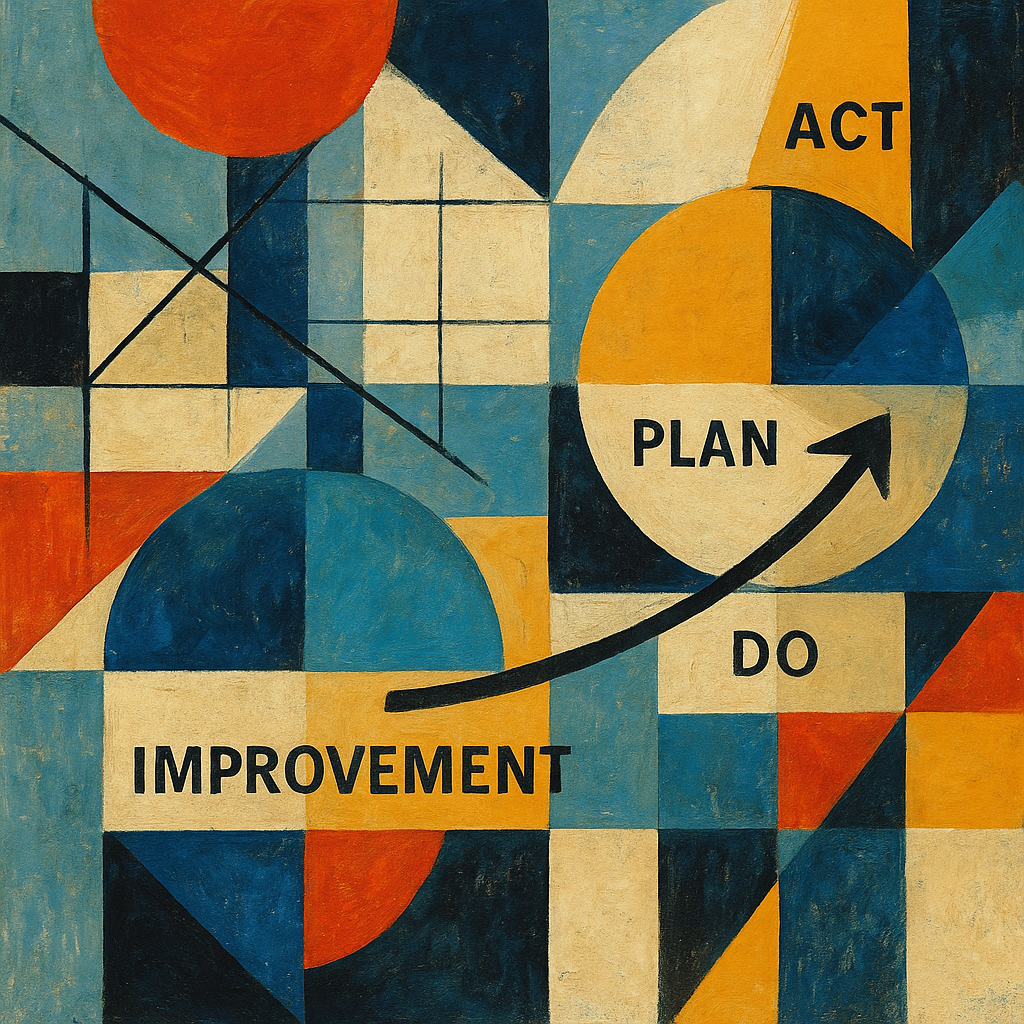
The Improvement Guide
Gerald J. Langley et al
This discussion explores a framework for continuous improvement built around the Model for Improvement. It begins with three core questions: What are we trying to accomplish? How will we know a change is an improvement? What changes can we make that will result in improvement? The framework uses PDSA (Plan-Do-Study-Act) cycles to test ideas on a small scale and learn quickly from results. A systems thinking approach is essential to understand interdependencies and the effects of variation within processes. Leaders play a critical role in fostering a culture of learning, experimentation, and data-informed decision-making. By modeling curiosity and encouraging thoughtful iteration, they drive meaningful, sustained progress across their organizations.