
Leader Talks
Listen to our latest Leader Talks
Short audio conversations on leadership, management, and coaching, from the Leaderly team.

Shifting Inner Thoughts for Well-being
Ethan Kross
This discussion offers an overview and key ideas from Ethan Kross's book, "Shift," which explores the profound influence of our internal dialogue on our lives. Kross emphasizes that our self-talk significantly impacts our emotions and behaviors, suggesting that conscious adjustments to our thinking can enhance mental well-being. Key concepts discussed include the power of self-talk, the value of mindfulness for emotional control, techniques for reinterpreting negative thoughts, strategies for building resilience against difficulties, and the crucial role of social connections in shaping our thoughts. Ultimately, this discussion aims to equip readers with methods to manage their thoughts and cultivate a more positive mindset for a better life.

Cleaning Up Your Mental Mess
Caroline Leaf
This discussion summarizes Caroline Leaf's book, "Cleaning Up Your Mental Mess," which offers a guide to improving mental health using principles from neuropsychology. The discussion highlights Leaf's approach to managing negative thoughts and achieving emotional well-being through understanding the brain's ability to change (neuroplasticity). Key strategies discussed include identifying toxic thoughts, following a structured "brain detox" program, and practicing mindfulness to build mental resilience. Ultimately, the dialogue emphasizes that the book is a practical resource for fostering a more positive and resilient mindset.

Hyperfocus
Chris Bailey
This discussion provides an overview of Chris Bailey's book, "Hyperfocus: How to Be More Productive in a World of Distraction," which focuses on the importance of concentration for increased output. Bailey describes hyperfocus as a state of deep attention crucial for effective work and creativity, while also introducing scatterfocus as a complementary state for creative thinking. Key ideas discussed include managing distractions, the necessity of setting clear priorities, and practical methods like time blocking to improve focus. This discussion aims to help individuals navigate a world filled with distractions to achieve greater productivity.

Selflessness as a Habit
Dave Anderson
The discussion, based on the book Becoming a Leader of Character, focuses on the habit of selflessness as a crucial element of effective leadership. Anderson defines selflessness as prioritizing the needs of others and highlights its role in fostering trust and collaboration within teams. The discussion emphasizes that selflessness is fundamental to servant leadership and contributes significantly to a positive organizational culture and the development of strong, resilient teams. Ultimately, Anderson concludes that selflessness is essential for effective leadership.

Positivity as a Habit
Dave Anderson
The discussion focuses on positivity as a crucial habit for becoming a Leader of Character, drawing from the book Becoming a Leader of Character. Anderson outlines how maintaining a positive attitude is defined and details several key advantages of this trait, such as driving problem-solving, inspiring others, and building team strength and resilience. This discussion also includes reflective questions to reinforce these concepts, emphasizing that positivity significantly impacts organizational culture and morale. Ultimately, Anderson concludes that role-modeling positivity is vital for effective leadership and creating a supportive environment.

Duty as a Habit
Dave Anderson
The discussion focuses on duty as a key habit for becoming a Leader of Character, drawing insights from the book Becoming a Leader of Character. Anderson defines duty as acting based on assigned tasks and moral obligations, emphasizing the importance of consistently meeting these with commitment and dedication. The discussion also highlights how embracing duty builds trust and dependability, promotes a culture of excellence, requires perseverance and resilience, and necessitates self-discipline and accountability. Ultimately, fulfilling one's duty is presented as essential for effective leadership and fostering a positive environment.

Originals:How Non-Conformists Move the World
Adam Grant
This discussion is about the book "Originals" by Adam Grant which explores the nature of non-conformity and how individuals drive change. Grant argues that originality is a skill that can be developed, not an innate talent, highlighting that successful innovators often balance risk with caution and utilize strategic procrastination to enhance creativity. The discussion also emphasizes the importance of dissent and disagreement for innovation, the need for originals to be both persistent and willing to pivot, and the role of encouraging values over rules in fostering original thinking. Finally, the dialogue stresses that effective communication is crucial for getting new ideas accepted.
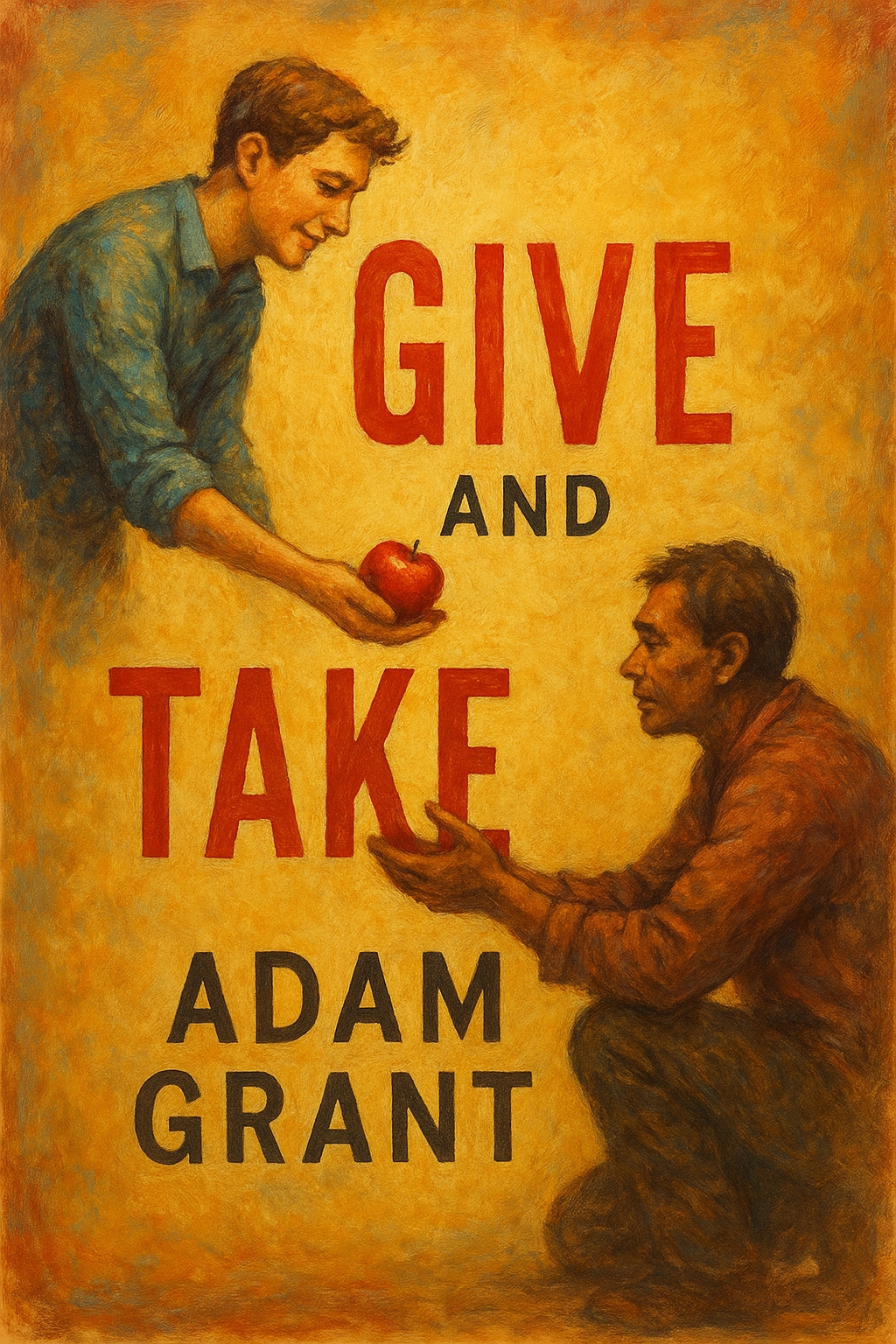
Give and Take
Adam Grant
This discussion provides an overview of Adam Grant's book, Give and Take, which challenges conventional wisdom about success. Grant proposes that individuals primarily interact as givers, takers, or matchers. Contrary to the idea that self-interest is key, Grant also argues that givers, those who assist others freely, can achieve the greatest success, provided they employ strategic giving. This success stems from building robust networks, fostering trust, and creating mutual benefit through generosity and integrity. The discussion highlights that being helpful, when done with purpose and vision, is actually a competitive advantage.

Co-Opetition
Adam Brandenburger and Barry Nalebuf
This conversation explores Co-Opetition by Adam Brandenburger and Barry Nalebuff, which presents a strategic approach that blends competition with cooperation. The book introduces the Value Net model, illustrating how customers, suppliers, competitors, and complementors all influence value creation. Rather than just playing harder within existing rules, the authors encourage leaders to think bigger and change the "game" itself. A co-opetition mindset fosters innovation, expands opportunities, and strengthens strategic flexibility. It challenges traditional rivalries by emphasizing shared interests alongside competitive ones. Leaders who embrace co-opetition unlock new pathways for growth, collaboration, and lasting advantage.

Generation to Generation
Kelin Gersick et al
This discussion explores Generation to Generation by Kelin Gersick and colleagues, which examines the complexities of leadership in family businesses. The book introduces the Three-Circle Model to illustrate the interaction between family, business, and ownership systems. Gersick emphasizes that family enterprises evolve through distinct stages, requiring leadership styles that adapt over time. Succession is presented not as a one-time event but as an ongoing process that demands strategic planning and mentorship. Successful leadership in family businesses requires emotional intelligence, clear role boundaries, and a strong long-term vision. Navigating these overlapping systems thoughtfully is essential for sustaining both the family legacy and the enterprise.

The Advantage
Patrick Lencioni
This discussion explores The Advantage by Patrick Lencioni, which asserts that organizational health is the greatest competitive edge for long-term success. More critical than strategy or finance, a healthy organization starts with a cohesive leadership team built on trust, vulnerability, constructive conflict, and shared commitment. Lencioni stresses the importance of creating and consistently reinforcing clarity around purpose, values, and priorities. Leaders must foster open communication, alignment, and accountability at every level. Prioritizing culture as a strategic imperative drives sustainable growth, high performance, and resilience.

Option B
Sheryl Sandberg and Adam Grant
This dialogue explores Option B by Sheryl Sandberg and Adam Grant, focusing on how people navigate loss and adversity. The book emphasizes that healing begins by acknowledging pain rather than avoiding it. Through enduring hardship, individuals can discover unexpected growth and deepen their empathy for others. Sandberg and Grant highlight the critical role of community and support systems in recovery. In leadership, these lessons translate into the importance of vulnerability, compassion, and creating environments where people feel seen and supported. Authentic leaders who embrace resilience not only heal themselves but also empower their teams to overcome challenges together.

Off Balance
Matthew Kelly
This discussion explores Off Balance by Matthew Kelly, which offers a new take on work-life balance. Kelly argues that balance isn’t about equally dividing time, but about gaining clarity on what truly matters and managing personal energy. Designing a life with clear purpose and priorities is essential to avoid burnout and achieve fulfillment. Leaders play a key role by modeling intentional living and purpose-driven choices. Their energy, focus, and alignment deeply influence the culture and resilience of their teams. Living and leading with clarity helps create environments where both individuals and organizations can thrive.
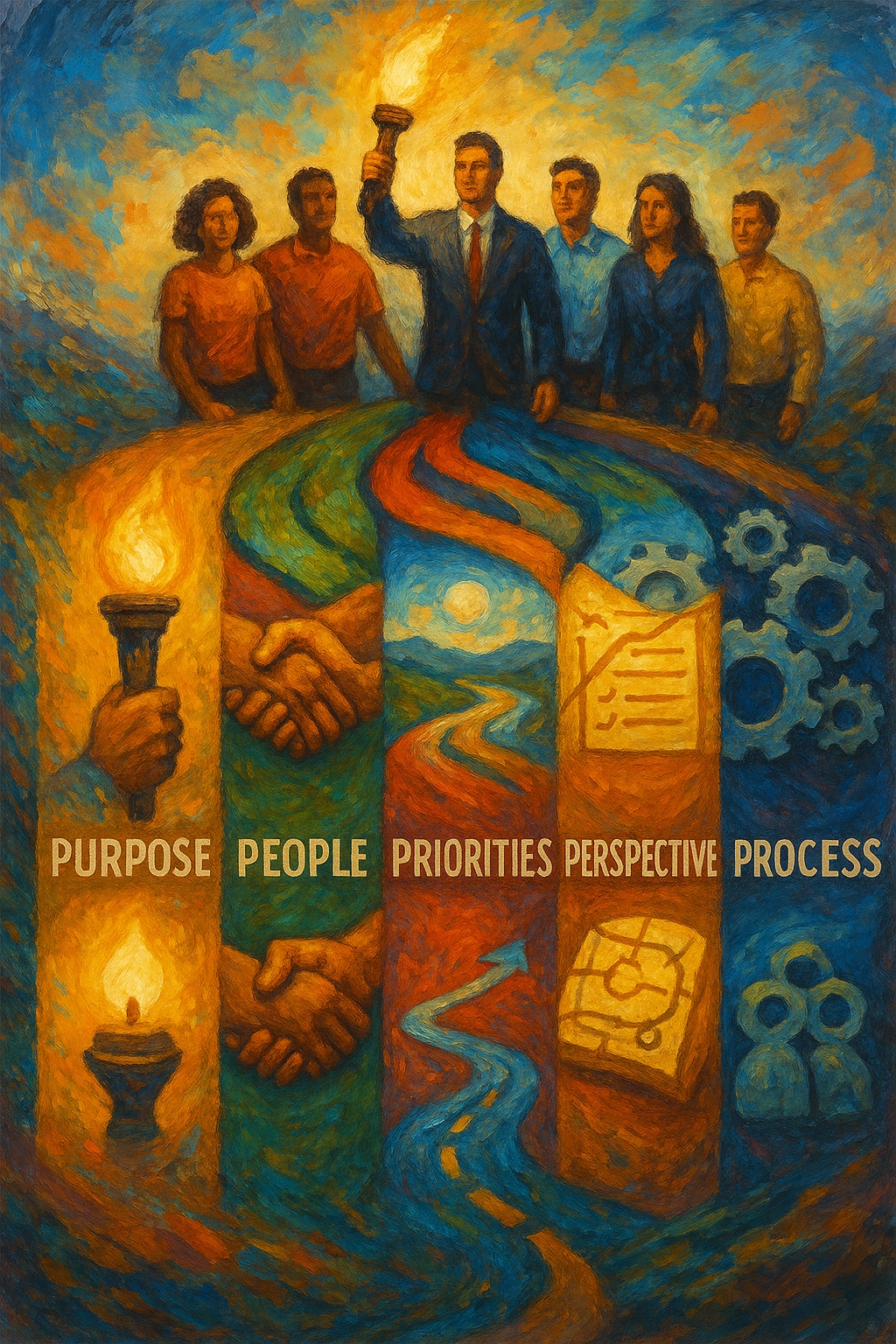
The 6P Team Effectiveness Framework
Leadership Research Institute
This discussion is about the Leadership Research Institute's 6P Team Effectiveness Framework, a model for building high-performing teams through six key elements: Purpose, People, Priorities, Perspective, Plan, and Process. This framework is presented as a diagnostic tool and a blueprint for improving team effectiveness and resilience. The discussion also highlights the complementary nature of the 6P model with the CAST Framework and principles for Resilient Teams. Finally, it includes the P18 Team Effectiveness Assessment, a questionnaire designed to evaluate a team's standing within the six key areas, offering a scoring system to identify areas for development and guide coaching efforts.
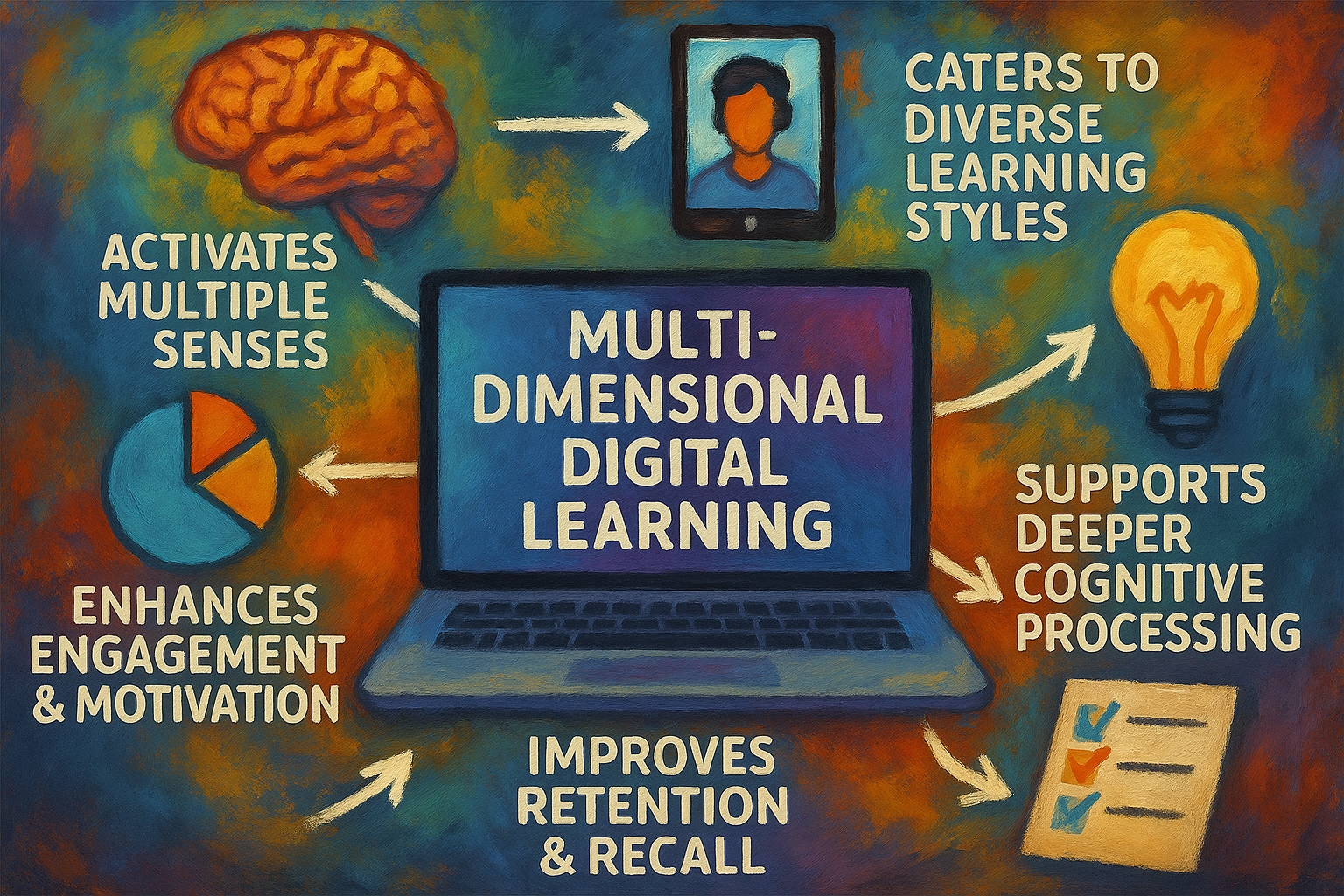
The Benefits of Multi-dimensional Learning
Leaderly
This discussion explains how digital learning becomes significantly more effective when it incorporates multiple dimensions. By engaging various senses like sight and hearing and catering to diverse learning styles through different formats such as video and interactive quizzes, multi-dimensional approaches foster better understanding and longer-lasting retention. This method activates more neural pathways, keeping learners engaged and motivated through varied and interactive content. Consequently, it encourages deeper cognitive processing beyond simple memorization. The combination of diverse formats and active participation ultimately leads to improved recall and a more enriching, personalized educational experience.

Resilient: Building Calm, Strength, and Happiness
Rick Hanson
This discussion is about Rick Hanson's book Resilient which explains how individuals can cultivate inner strength and well-being. Hanson underscores neuroplasticity, highlighting the brain's capacity for positive change through focused attention. A central theme is developing a core of calm, strength, and happiness to better navigate adversity. This discussion highlights how mindfulness enhances emotional regulation and encourages the active cultivation of positive experiences. Finally, Hanson emphasizes the role of self-compassion in building emotional resilience and promoting recovery.
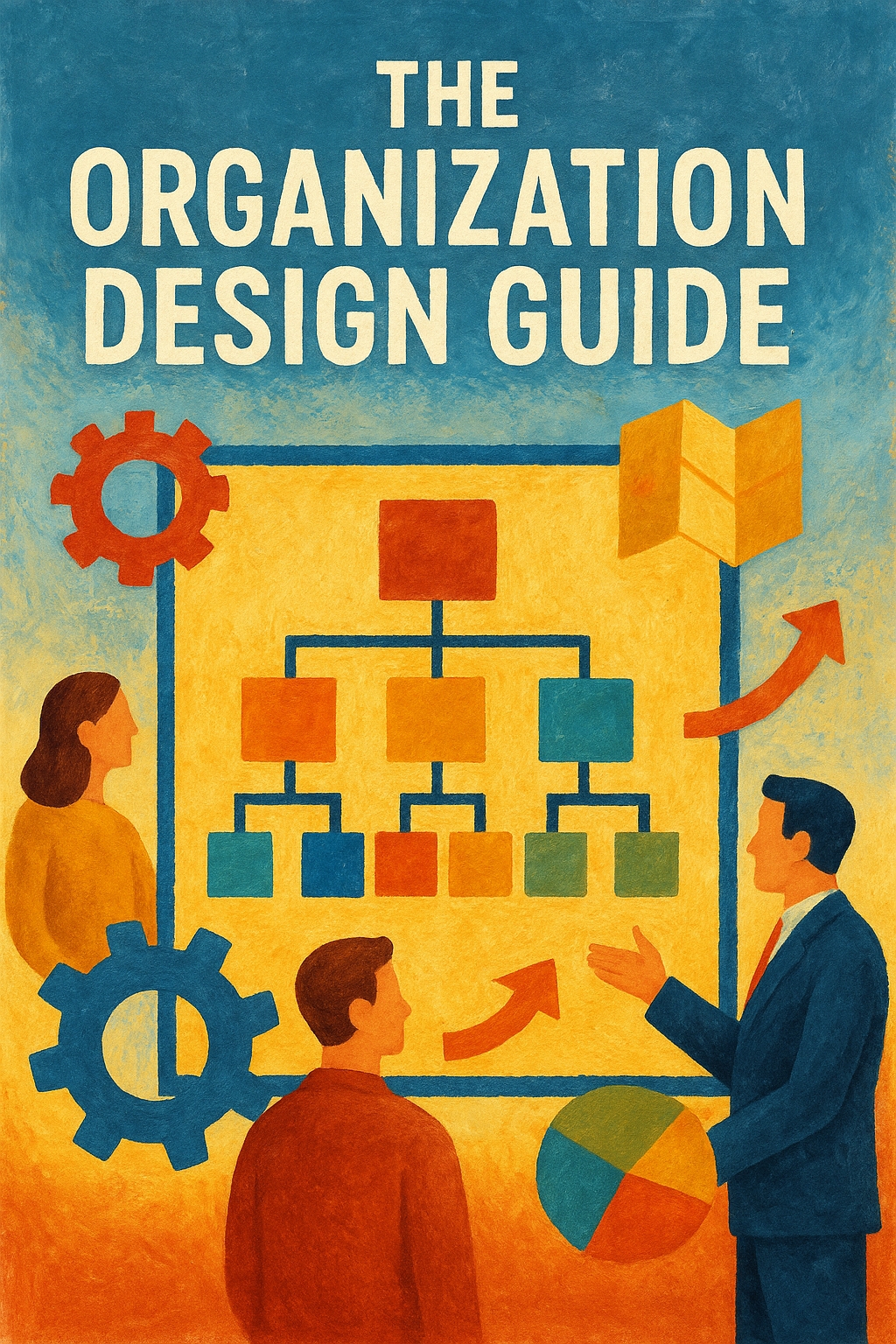
The Organization Design Guide
Vantrappen and Wirtz
This discussion is about "The Organization Design Guide" by Vantrappen and Wirtz which offers a structured framework to assist managers and executives in navigating organizational redesign. This dialogue presents five key design variables: architecture, processes, culture, people, and technology, providing context-sensitive alternatives rather than simplistic solutions. Emphasizing the importance of a company's unique context, it is aimed at leaders, managers, and consultants involved in organizational transformation. This guide helps facilitate effective and efficient redesign processes by breaking down the process into specific design questions.

The Miracle Morning
Hal Elrod
This discussion is about Hal Elrod's The Miracle Morning which presents a structured morning routine called SAVERS to revolutionize one's life before 8 AM. This personal development book outlines six key practices: Silence, Affirmations, Visualization, Exercise, Reading, and Scribing. By consistently engaging in these activities, individuals can experience enhanced mental clarity, productivity, and overall well-being. Elrod, drawing from his own transformative experience, argues that this flexible system empowers anyone to take control of their mornings and achieve greater personal fulfillment. These principles are geared towards those seeking to improve their focus, build positive habits, and live with more intention.
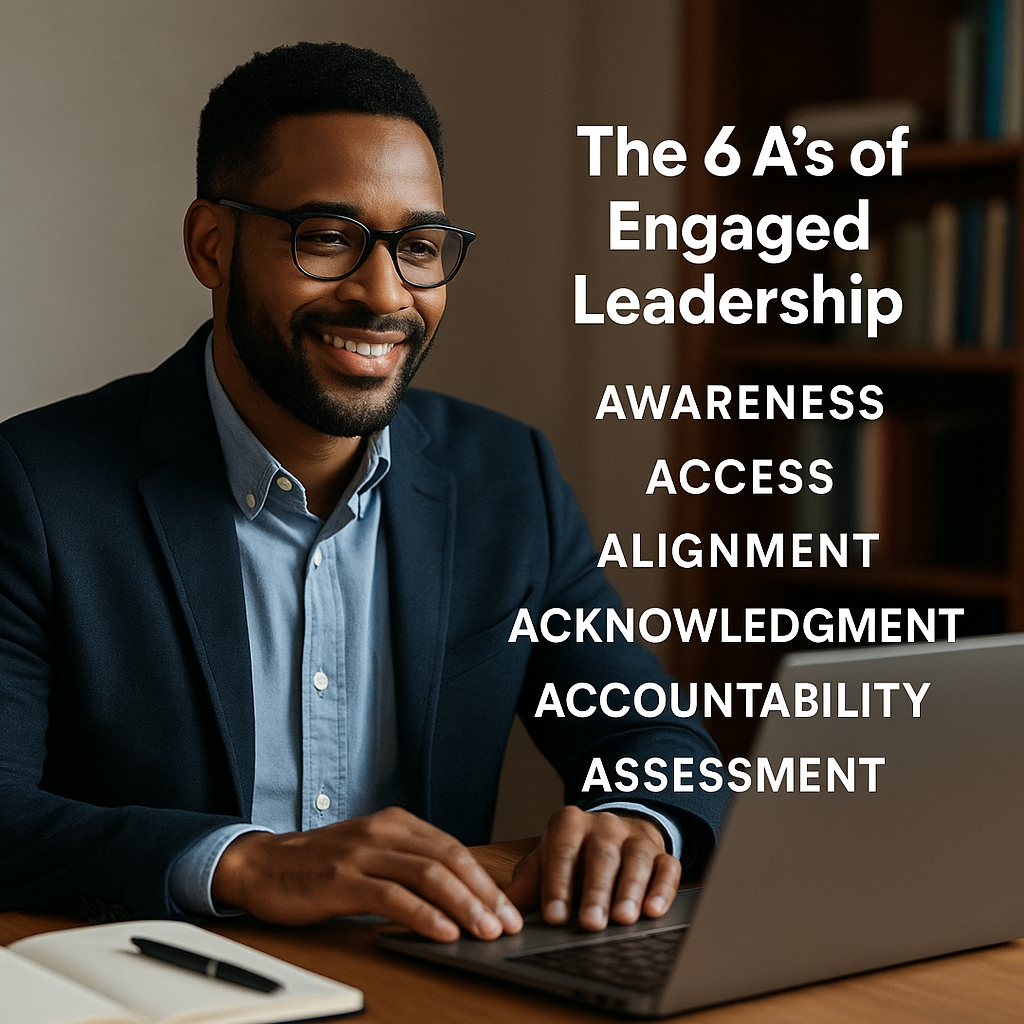
The 6A's of Engaged Leadership
Leadership Research Institute
This discussion is about The Leadership Research Institute's E30 Assessment which outlines the "6 A's of Engaged Leadership," emphasizing awareness, access, alignment, acknowledgment, accountability, and assessment as crucial pillars for effective leadership. It posits that leaders embodying these principles foster trust, collaboration, and organizational success. The dialogue details each of the 6 A's, explaining their significance in creating an engaged and high-performing environment. The E30 Assessment includes a self-assessment tool, the Engaged Leader Assessment, focusing on awareness, access, and alignment to help leaders evaluate their practices. The assessment offers a scoring key to categorize leadership as emerging, empowered, or engaged, suggesting areas for development. Ultimately, the source advocates for continuous self-reflection, feedback, and coaching to enhance leadership effectiveness and drive organizational impact.

Thrive: The Third Metric of Success
Arianna Huffington
This discussion is about Arianna Huffington's Thrive which critiques the conventional measures of success as solely based on money and power, proposing a crucial "Third Metric." This new metric encompasses well-being, wisdom, wonder, and giving as essential components of a truly successful life. Huffington draws on her personal experiences to advocate for practices like sleep, mindfulness, and generosity, arguing they lead to greater fulfillment than relentless striving. Ultimately, Huffington's book serves as a memoir and a guide, urging readers to redefine their priorities and cultivate a more balanced existence.

The Infinite Game
Simon Sinek
This discussion is about Simon Sinek's The Infinite Game which contrasts traditional business's focus on finite goals like winning with an infinite mindset centered on long-term sustainability and purpose. Sinek posits that many organizational struggles arise from treating ongoing endeavors as winnable games with fixed rules. He also argues that successful, enduring organizations operate with a "Just Cause," an inspiring vision that motivates commitment beyond short-term gains. The discussion emphasizes the importance of trusting teams, learning from "worthy rivals," embracing flexibility, and demonstrating courageous leadership to thrive in the ongoing "game" of business and life, which lacks a defined endpoint.