
Leader Talks
Listen to our latest Leader Talks
Short audio conversations on leadership, management, and coaching, from the Leaderly team.
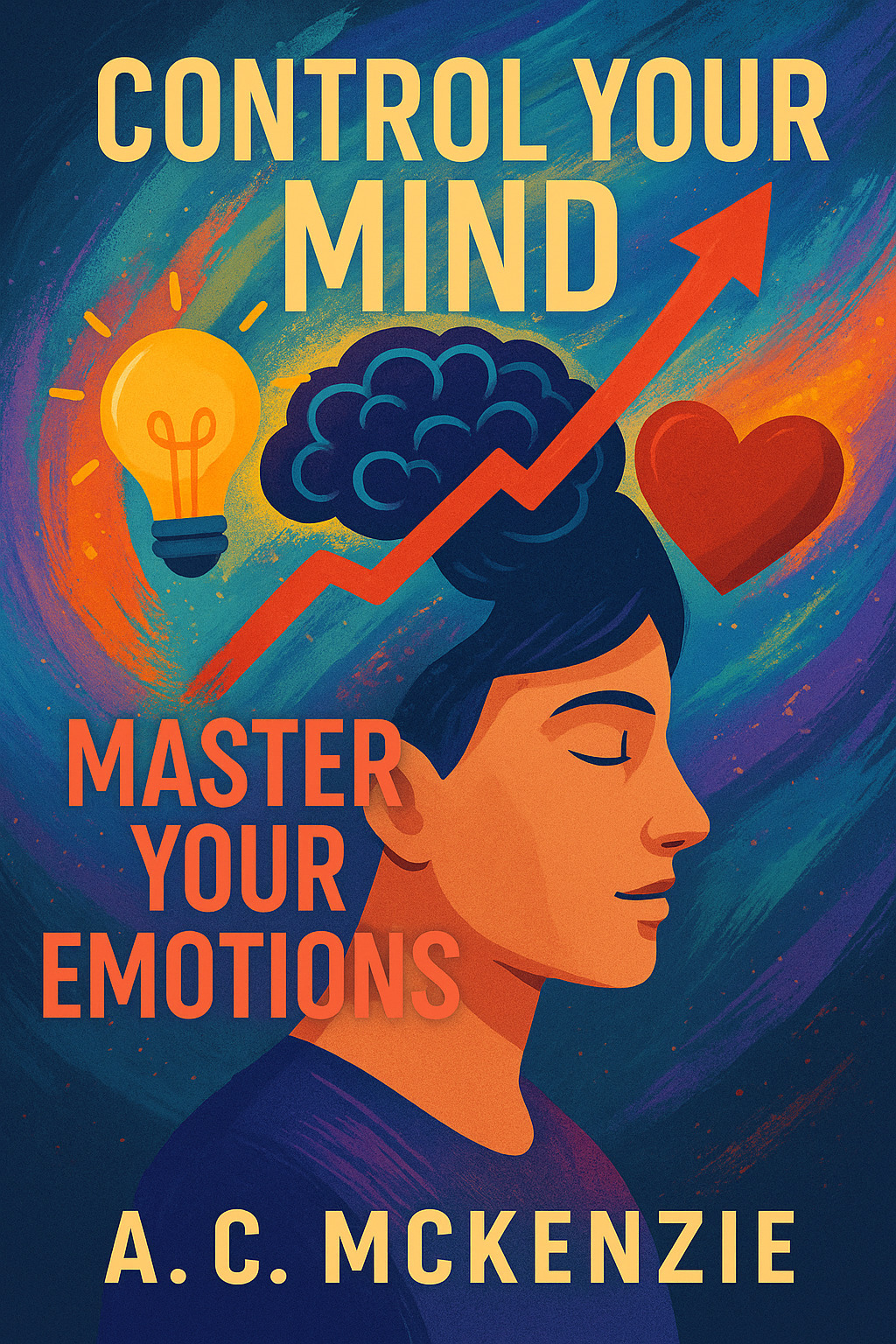
Control Your Mind, Master your Feelings
A.E. McKenzie
This discussion is about A. E. McKenzie's "Control Your Mind, Master Your Feelings," which centers on the connection between thoughts and emotional management. McKenzie underscores the significance of mindfulness and cognitive restructuring for identifying and altering negative thought patterns. Furthermore, this discussion emphasizes the role of emotional intelligence and goal setting in effectively navigating life's difficulties and fostering motivation. McKenzie's work also presents practical methods like journaling and meditation to aid readers in gaining command over their mental and emotional states. Ultimately, McKenzie empowers individuals to improve their overall mental and emotional wellness.
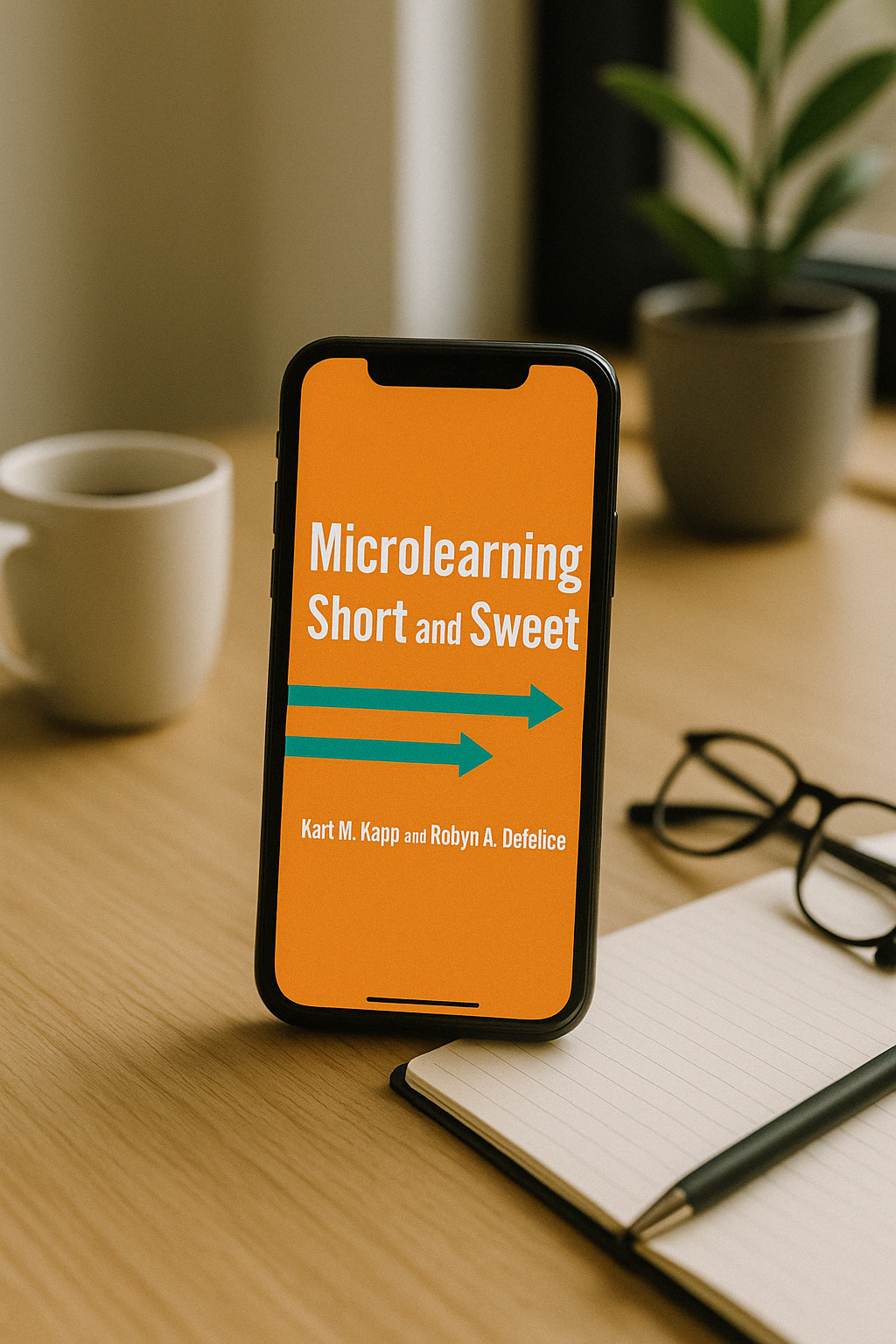
Microlearning: Short and Sweet
Kapp and Defelice
This discussion is about "Microlearning: Short and Sweet" by Kapp and Defelice which thoroughly explains the concept of microlearning for both educational and business contexts. The discussion offers a clear definition, theoretical underpinnings, and practical advice on how to design, implement, and assess microlearning initiatives. Short learning units should integrate into larger learning plans and demonstrate their value through various real-world applications. Microlearning is intended for instructional designers, trainers, educators, and organizational leaders looking to improve learning and performance through focused, brief learning experiences.

Veteran's Toolkit for PTSD
Ramsey Coutta
This discussion is about Dr. Ramsey Coutta's 2010 book, The Veteran’s Toolkit for PTSD, which serves as an accessible self-help guide for veterans and their supporters. Drawing on his experience as a chaplain, Coutta offers twenty practical, non-clinical strategies for managing the everyday challenges of post-traumatic stress disorder. Rather than focusing on extensive theory, Coutta provides action-oriented tools such as expressive writing, managing flashbacks, improving sleep, and building support networks. The discussion also addresses spiritual resilience, the importance of routine and exercise, and cultivating acceptance. Ultimately, this discussion aims to empower veterans by presenting PTSD as a wound that can heal with the right strategies, fostering hope and purpose.
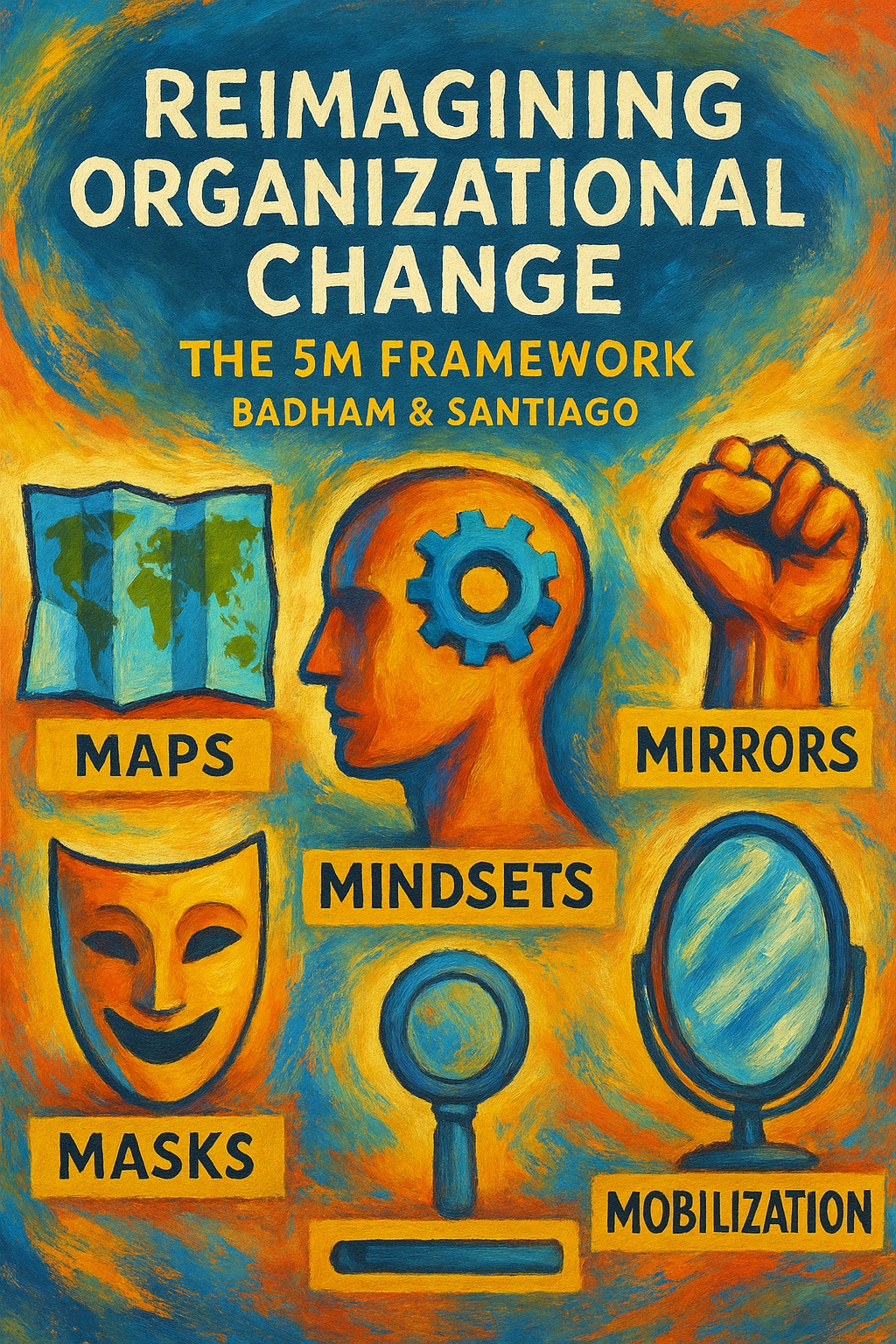
Reimagining Organizational Change: The 5M Framework
Badham and Santiago
This discussion is about Badham and Santiago's 2025 book, "Reimagining Organizational Change," which offers a novel perspective on leading and enacting organizational transformation. The discussion introduces the 5M framework, which conceptualizes change as the Mindful Mobilization of Maps, Masks, and Mirrors. "Maps" represent organizational understanding, "Masks" symbolize individual roles, and "Mirrors" signify reflective practices. The dialogue emphasizes the importance of conscious awareness in integrating these elements for successful and lasting change, making it relevant for students, consultants, lecturers, and leaders involved in change initiatives.

The Mountain is You
Brianna Wiest
This discussion is about Brianna Wiest's "The Mountain Is You" which focuses on understanding and conquering self-defeating actions to achieve self-mastery. Wiest stresses the significance of recognizing self-sabotage, fostering emotional resilience, and accepting personal accountability. Furthermore, Wiest champions adopting a growth-oriented perspective and embarking on authentic self-exploration. Ultimately, this discussion aims to assist readers in transcending internal limitations for personal development.
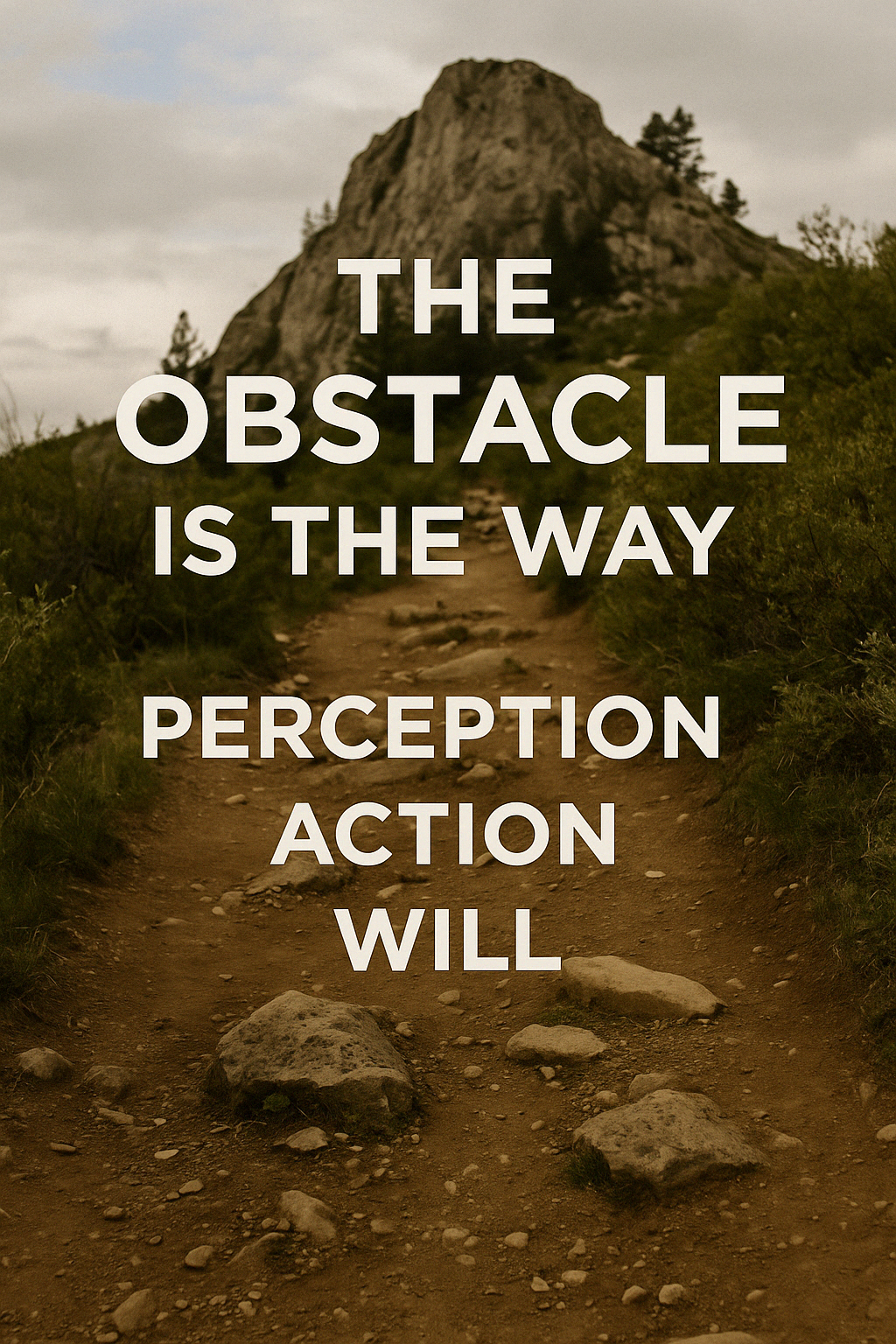
The Obstacle is the Way
Ryan Holiday
This discussion is about Ryan Holiday's "The Obstacle Is the Way" which introduces a Stoic framework for transforming challenges into opportunities. Holiday posits that our perception of difficulties, our actions in response, and our inner will are key to navigating adversity. Drawing on historical examples and Stoic philosophy, this discussion explains how reframing problems, taking deliberate steps, and cultivating inner strength can lead to growth. Ultimately, the dialogue establishes that obstacles are not hindrances but the very path towards progress and resilience.
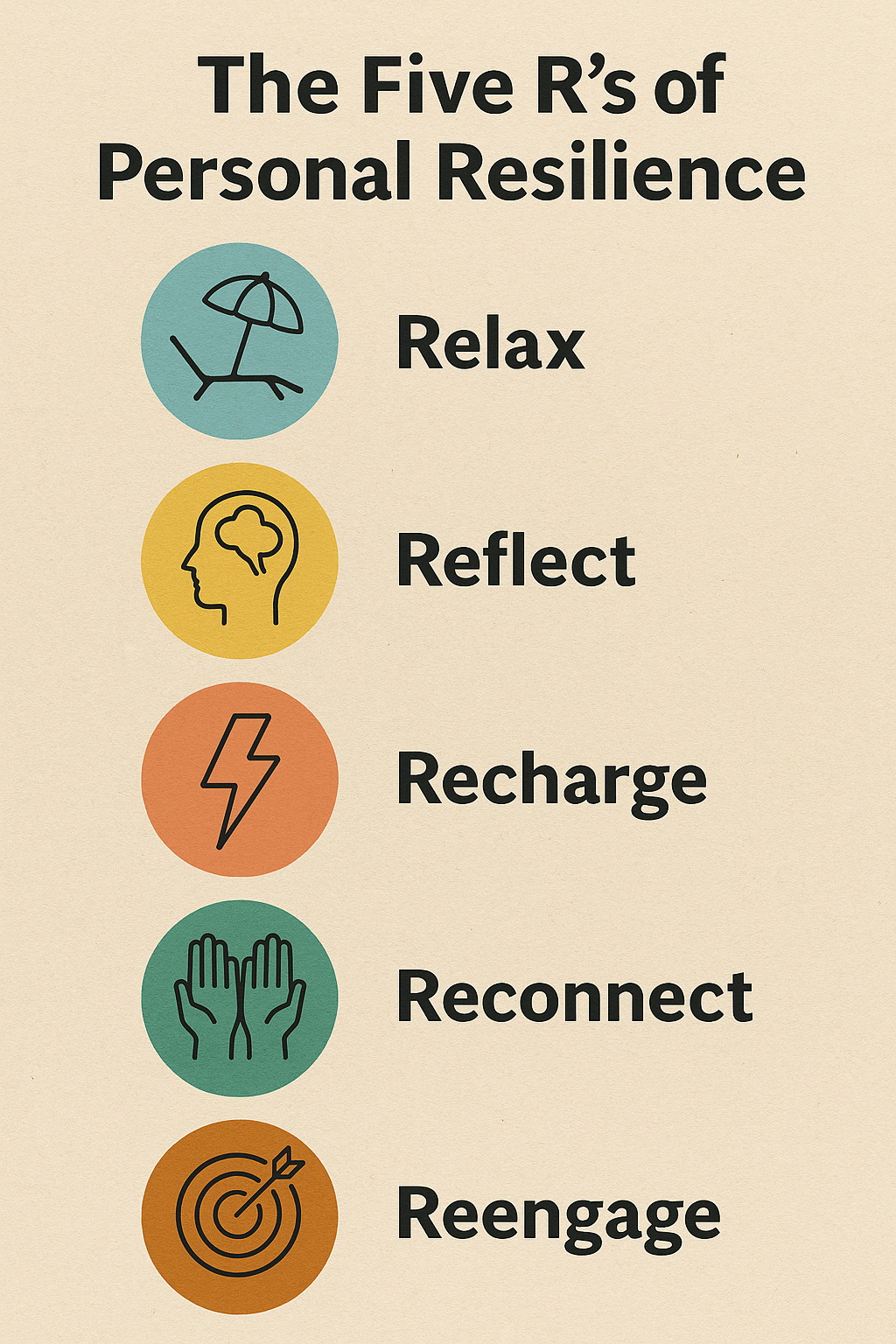
The Five Rs: A Framework for Personal Resilience
Leadership Research Institute
This discussion introduces The Five R's of Personal Resilience as a framework for thriving under pressure, emphasizing that resilience is a cultivated skill, not a chance occurrence. The framework outlines five key habits: Relax, Reflect, Recharge, Reconnect, and Reengage, each explained with practical advice for implementation. The Leadership Research Insititute also provides a self-assessment tool based on these five R's, allowing individuals to evaluate their current resilience levels. Finally, this discussion offers a scoring guide and next steps to help readers identify areas for improvement and develop actionable strategies for strengthening their resilience over time.

Don't Believe Everything You Think
Joseph Nguyen
This discussion is about Joseph Nguyen's 2022 book, Don't Believe Everything You Think, which posits that our thoughts are not inherently true and are a primary source of suffering. Nguyen synthesizes spirituality, philosophy, and psychology to argue that identifying with our thoughts leads to distress. The discussion emphasizes that freedom arises from observing and detaching from unhelpful thought patterns. Nguyen suggests suffering stems from our interpretations of circumstances, not the circumstances themselves. Ultimately, Nguyen proposes that inner peace and happiness are found by recognizing awareness and letting go of the need for control.
Surviving the Shadows
Bob Delaney
This discussion is about Bob Delaney's memoir, "Surviving the Shadows," which explores the profound impact of Post-Traumatic Stress (PTS) through his personal experiences as a former New Jersey State Trooper and NBA referee who faced trauma during undercover work. Delaney includes firsthand accounts from veterans, first responders, and civilians, illustrating the diverse ways trauma manifests and emphasizing that it is a natural response, not a weakness. A central message is the critical need to break the stigma surrounding mental health, particularly in high-stress professions, and to encourage open conversation and support networks as vital for healing. The discussion highlights that recovery is achievable through connection, therapy, and finding purpose, reframing survival as an opportunity to reclaim a meaningful life and emerge stronger. Ultimately, Delaney offers a message of resilience and hope for those affected by PTS and their loved ones.
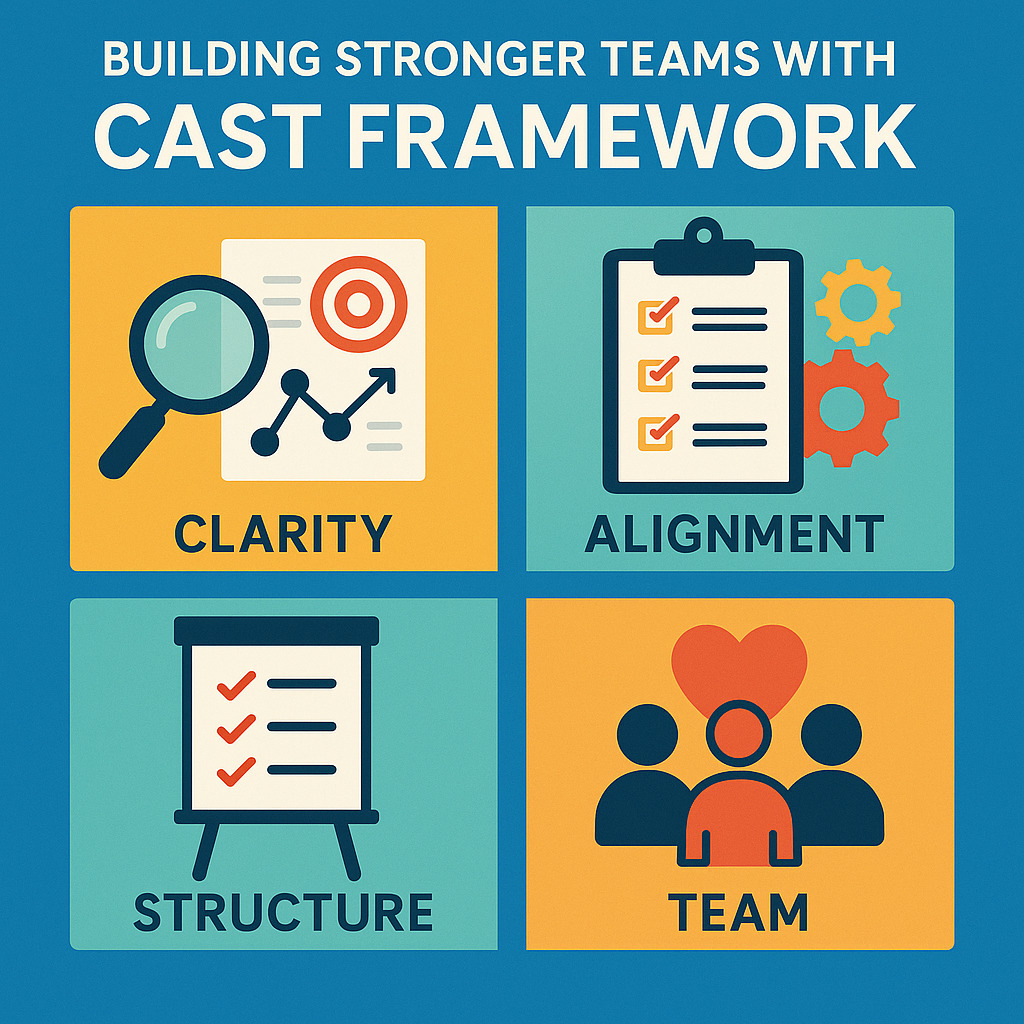
The CAST Framework: Building Stronger Teams
Leadership Research Institute
This discussion introduces the CAST framework, a method developed by the Leadership Research Institute for building strong teams based on Clarity, Alignment, Structure, and Team dynamics. Developed from diverse experiences, this framework emphasizes defining the team's purpose, ensuring shared understanding of success, establishing reliable operational systems, and fostering a positive team culture. To assess these areas, the dialogue further presents the CAST: C12 Team Effectiveness Assessment, a brief questionnaire evaluating a team's standing across the four CAST dimensions. Finally, the discussion highlights how the Leadership Research Institute utilizes the CAST framework through various services to help organizations improve team performance.

Building a 'With You' Team
LRI
This discussion emphasizes building resilient and high-performing teams through a "With You" culture characterized by connection, support, and trust. Drawing on experiences from sports teams, the Leadership Research Institute posits that such a culture emerges from intentional actions and behaviors, not just slogans. The core of this approach lies in the "5 Cs of Resilient Teams": Candor, Commitment, Communication, Community, and Coaching. The discussion concludes with a call to action and a self-assessment tool to help leaders evaluate and strengthen their team's resilience based on these principles.
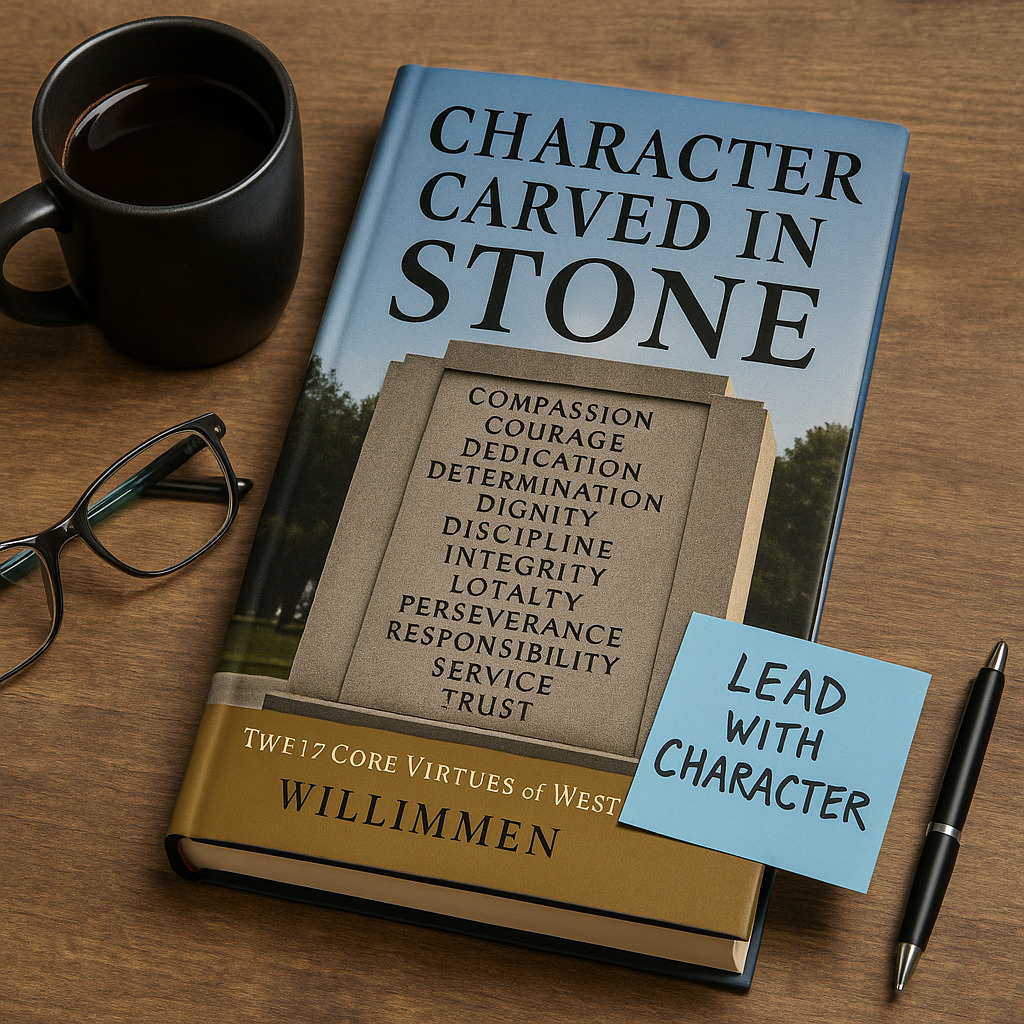
Character Carved in Stone
Pat Williams
This discussion is about Pat Williams' "Character Carved in Stone" which examines the twelve fundamental virtues instilled at West Point as the bedrock of effective leadership. This discussion tackles the concept that genuine leadership stems from character, not mere charisma. Through stories of West Point graduates, Williams illustrates how these virtues, such as courage and integrity, translate into success across various fields. The discussion further emphasizes that these timeless principles are crucial for anyone aspiring to lead with conviction and achieve lasting impact.

The Future of Learning is so Small its Micro
Drew Bartkiewicz
Microlearning is presented as an essential and increasingly adopted method for continuous and more effective professional development. The conversation class argues that the rapid increase in information necessitates short, focused learning modules for efficiency and better retention. Key benefits highlighted by this LeaderTalk include time efficiency, personalized learning paths, easily digestible content, mobile accessibility, engaging formats, and the promotion of continuous learning. This shift is seen as an irreversible trend that talent management and learning development professionals must embrace. The author Drew Bartkiewicz suggests that incorporating microlearning is crucial for convenient and routine continuous professional growth. Ultimately, the discussion champions microlearning as the future of effective learning in a fast-paced environment.

Do the Work
Steven Pressfield
This dialogue explores Do the Work by Steven Pressfield, which highlights "Resistance" as the invisible force that blocks progress in creative work and leadership. Pressfield describes resistance as internal self-doubt, procrastination, and fear that surfaces when we pursue meaningful goals. The key, he argues, is to act before we feel ready—because momentum weakens resistance. He distinguishes the "professional" as someone who shows up daily, regardless of emotion, while the "amateur" is easily swayed by fear and self-judgment. For leaders, pushing through resistance with discipline and consistency sets a powerful example. It fosters trust, drives results, and empowers others to face their own challenges with courage.

Principles
Ray Dalio
This conversation explores Principles by Ray Dalio, which promotes radical truth and transparency as the foundation of effective leadership. Dalio encourages leaders to build cultures where honest feedback and open information sharing are the norm. A key concept is believability-weighted decision-making, where input is valued based on expertise rather than rank. The book also stresses the importance of learning from mistakes through reflection and continuous improvement. By embracing discomfort and fostering honest dialogue, leaders can drive innovation and build trust. Principles offers a roadmap for creating resilient, high-performing organizations grounded in integrity and thoughtful decision-making.

Man’s Search for Meaning
Viktor Frankl
This conversation explores Man’s Search for Meaning by Viktor Frankl, which asserts that the primary human drive is the pursuit of meaning—even in the face of suffering. Frankl emphasizes that while we cannot always control our circumstances, we can choose how we respond to them. This inner freedom is a cornerstone of resilience and dignity. He also argues that meaning is found through responsibility—by connecting to a cause, serving others, or facing hardship with courage. These ideas offer a powerful framework for leadership rooted in purpose, integrity, and empathy. Purpose-driven leaders help others find meaning in their roles, especially during times of uncertainty or adversity.
The Blue Zones
Dan Buettner
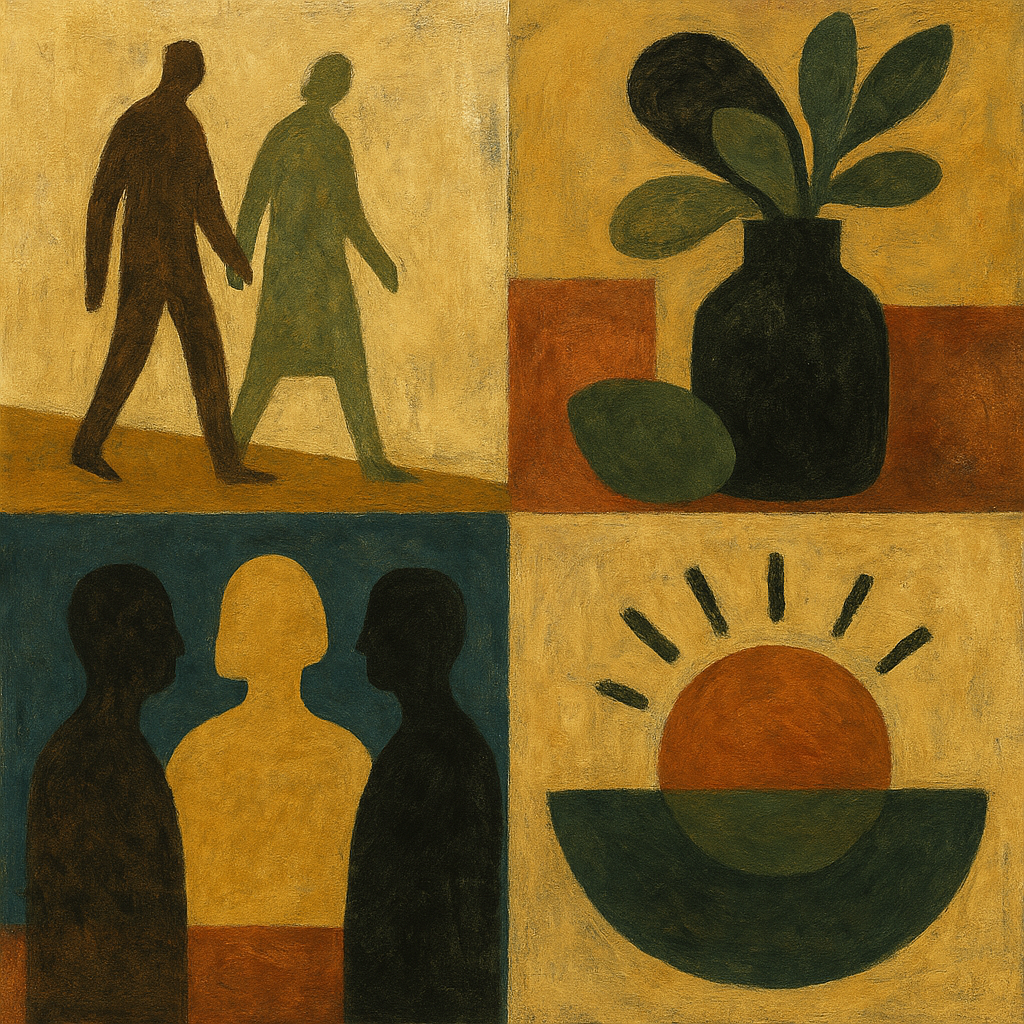
This dialogue explores The Blue Zones by Dan Buettner, which investigates regions where people consistently live long, healthy lives. The book reveals that daily habits—more than genetics—are key to longevity. Common lifestyle factors include regular natural movement, plant-based diets, strong social ties, and a clear sense of purpose. These principles not only promote well-being but also offer valuable lessons for leadership and personal fulfillment. Creating environments that support health, connection, and meaning leads to more sustainable success. The book invites reflection on your own routines, relationships, and purpose as drivers of a long and vibrant life.
Sapiens
Yuval Noah Harari
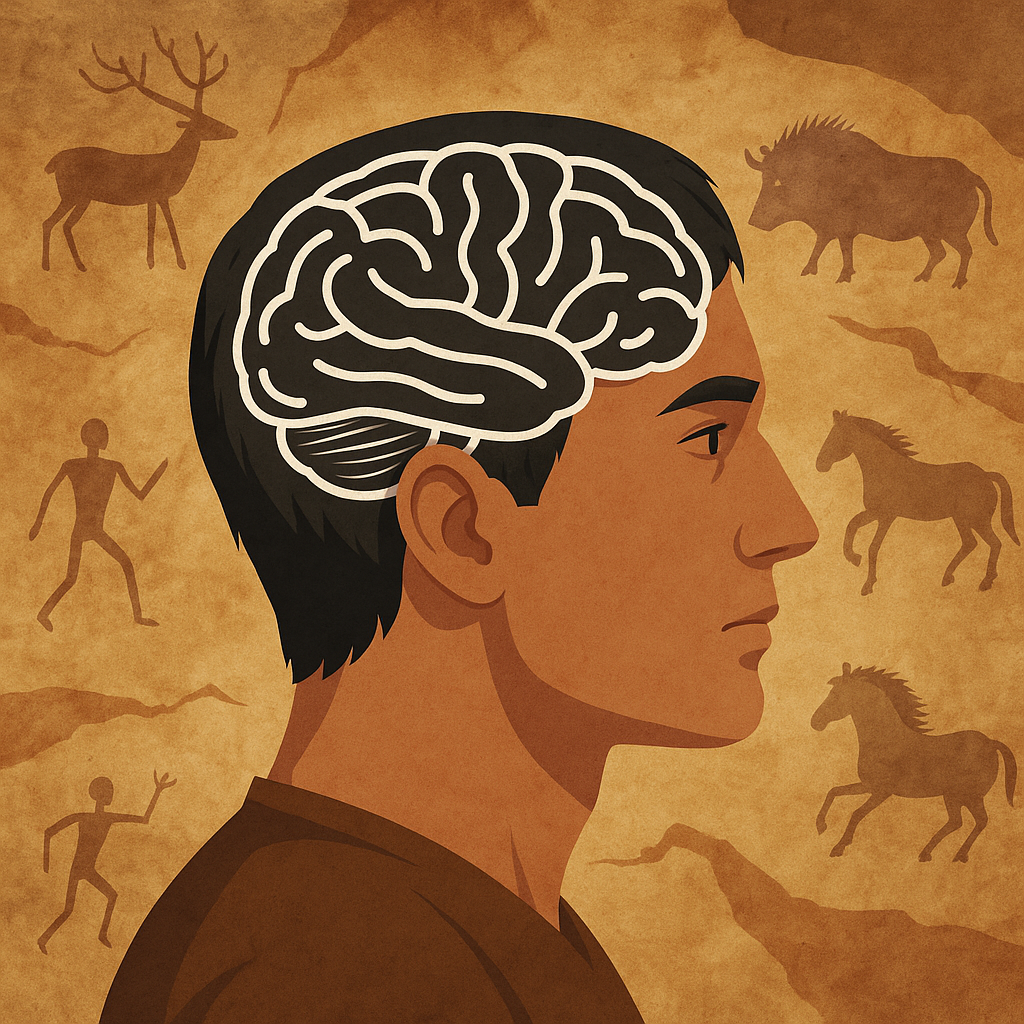
This discussion explores Sapiens by Yuval Noah Harari, focusing on how human history shapes modern leadership. It highlights the Cognitive Revolution as a turning point, enabling abstract thinking and large-scale collaboration. Harari explains that shared myths and imagined realities—like religion, money, and nations—are what allow societies to organize and function. The book invites readers to question the stories that sustain systems and power structures. It also presents progress as a double-edged sword, bringing both innovation and unintended harm. Leaders are encouraged to reflect on historical context, the narratives they promote, and the long-term impact of their decisions.

Mindset
Carol Dweck
This discussion explores Mindset by Carol Dweck, focusing on the distinction between a fixed mindset and a growth mindset. A fixed mindset views abilities as static, while a growth mindset sees them as qualities that can be developed through effort and learning. Embracing a growth mindset fosters resilience, curiosity, and a healthier relationship with challenges. In leadership, this mindset empowers teams to grow through feedback, embrace continuous improvement, and adapt to change. Leaders who model and encourage growth thinking help build cultures of learning and psychological safety.

The Alchemist
Paulo Coelho
This discussion explores The Alchemist by Paulo Coelho, focusing on the pursuit of one’s Personal Legend as a path to fulfillment and growth. The book emphasizes the importance of listening to inner wisdom, trusting intuition, and following meaningful signs along life’s journey. Coelho presents the journey itself—not just the destination—as the source of true transformation. These ideas connect deeply to leadership, where purpose-driven vision, self-awareness, and adaptability are essential. Leaders who align with their deeper calling can inspire others through authenticity and resilience.
The 10X Rule
Grant Cardone
This discussion explores The 10X Rule by Grant Cardone, which challenges individuals and leaders to set goals ten times bigger than they originally imagined. Cardone argues that extraordinary success requires taking massive action—ten times the usual effort, time, and strategy. He reframes fear and failure as signs that you're aiming high enough, not reasons to retreat. Embracing the 10X mindset pushes leaders to think boldly, act decisively, and persevere through obstacles. This approach inspires visionary thinking and cultivates a culture of relentless personal and professional growth. By aiming higher and working harder, leaders can exceed conventional limits and achieve remarkable outcomes.