
Leader Talks
Listen to our latest Leader Talks
Short audio conversations on leadership, management, and coaching, from the Leaderly team.
Handling Outlandish Objections in Sales and Leadership
Richard Harris & Drew Bartkiewicz
Richard Harris's "Sales Objections" guide advocates for a fundamental shift in how salespeople approach customer resistance. And these same lessons apply directly to leadership under conditions of resistance. Instead of using outdated rebuttal tactics to "handle" objections like enemies, the guide promotes a strategy of "marinating" in them. This involves actively listening, asking clarifying questions, and understanding the underlying fears and concerns driving the objections. By embracing objections as opportunities to build trust and uncover hidden issues, salespeople (and leaders) can tailor their responses and ultimately increase their closing rates, and influence rates amongst team members. The conversation provides a framework for this "marination method," a way to explore instead of explain. Ultimately, the dialogue emphasizes genuine connection and understanding over manipulative tactics in the sales - and leadership- process.
Legacy: Sustained Excellence by the All Blacks Team
James Kerr
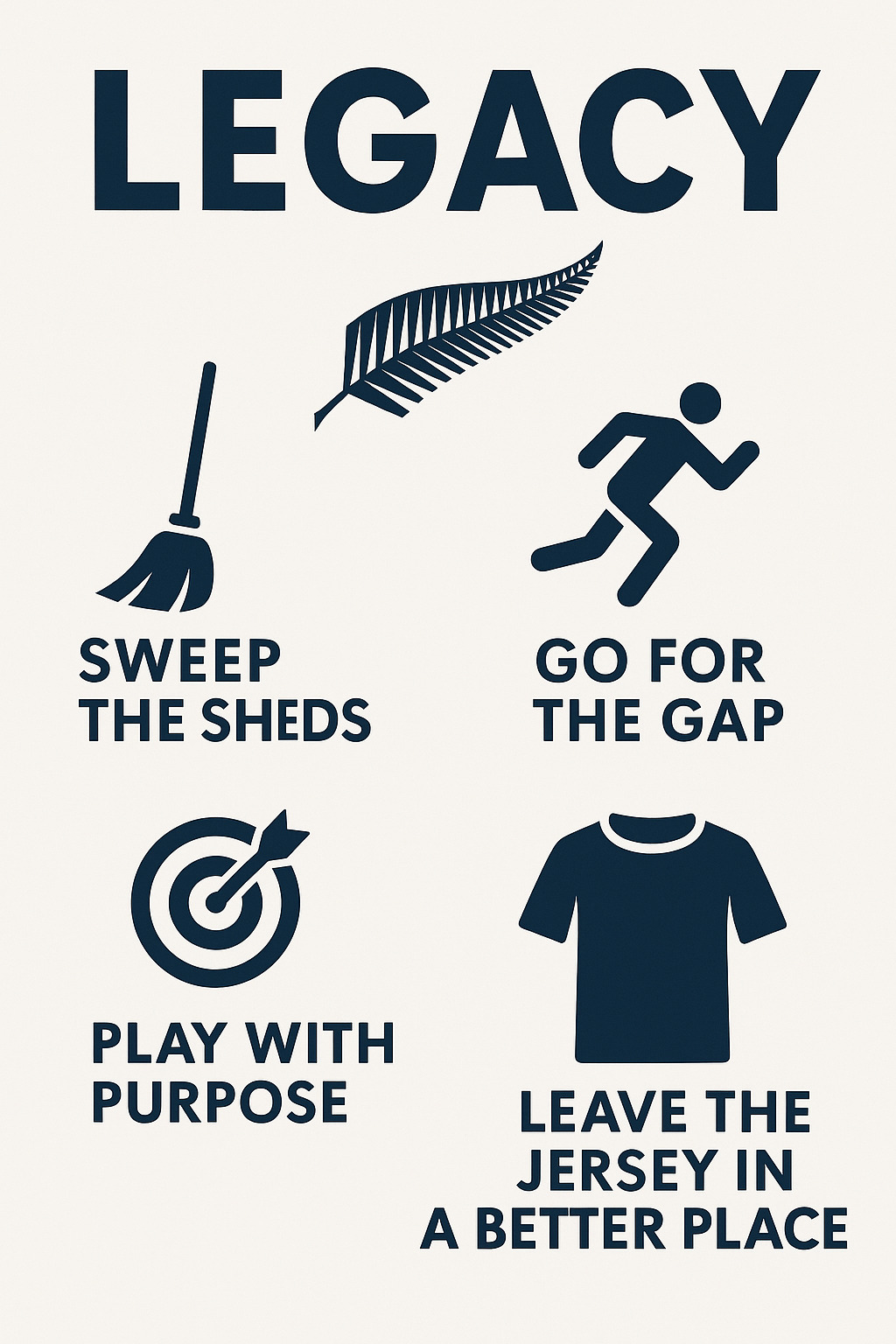
This discussion is about James Kerr's 2013 book, Legacy, which explores the enduring success of the New Zealand All Blacks Rugby Team, arguing that their achievements stem from a powerful combination of culture, leadership, and values rather than solely talent. The dialogue extracts key lessons from their approach, such as the importance of humility, continuous improvement, a strong sense of purpose, distributed leadership, and a focus on long-term impact. These principles are presented as a playbook for fostering sustained excellence in various aspects of business and life. Ultimately, Legacy emphasizes that character, spirit, and a strong organizational culture are more critical for long-term success than strategy alone.

Generation Alpha: Understanding Our Children and Helping Them Thrive
Krindle and Fell
This conversation introduces Generation Alpha, born between 2013 and 2025, and explores the key forces shaping their development. The discussion highlights their digital immersion from birth, the influence of Millennial parenting, and the global challenges they are poised to inherit. Through dialogue, the episode underscores the importance of nurturing creativity, adaptability, and emotional intelligence for future leadership. The conversation ultimately calls attention to the responsibility of today’s educators and parents in shaping tomorrow’s change-makers.

Decoding Gen Z
Mark Beal
This conversation explores the defining traits of Generation Z, born between 1997 and 2012, drawing insights from Mark Beal’s Decoding Gen Z. The discussion highlights their identity as digital natives—always connected and shaped by rapid technological change. Through dialogue, their strong sense of global awareness, social responsibility, and demand for authenticity in leadership are brought to light. The exchange also underscores Gen Z’s entrepreneurial mindset and proactive nature in driving change.

X Saves the World
Jeff Gordinier
This conversation explores the unique traits and cultural influence of Generation X, born between 1965 and 1980. The discussion traces how shifting economic conditions and evolving family dynamics shaped a generation known for independence and self-reliance. Through dialogue, the episode highlights Gen X's skepticism of institutions and preference for authenticity and a hands-on approach. The conversation also reflects on their role in pioneering alternative movements and redefining leadership through adaptability and quiet effectiveness.

Millenials Rising: The Next Great Generation
Strauss and Howe
This conversation examines the defining traits of the Millennial generation, born between 1981 and 1996. Inspired by Millennials Rising, the discussion explores how structured upbringings and strong parental support shaped a confident and socially conscious cohort. The dialogue highlights their emphasis on collaboration, inclusivity, and a deep-rooted desire to make a positive impact. This conversation also frames Millennials as a “civic generation” whose leadership is grounded in values and community engagement.

Boom: Voices of the 60s
Tom Brakaw
This conversation centers on the Baby Boomer generation, born between 1946 and 1964, and their profound influence on modern culture and politics. The discussion revisits the transformative era of the 1960s, where social unrest sparked widespread activism and a reimagining of traditional values. Through this dialogue, listeners explore how Boomers championed freedom and individualism, reshaping music, fashion, and societal norms. The conversation also highlights their role in pushing innovation and reform, making leadership more inclusive and forward-thinking.

The Greatest Generation
Tom Brokaw
This conversation explores the values and defining experiences of the Silent Generation, born between 1928 and 1945. Influenced by Tom Brokaw’s The Greatest Generation, the discussion highlights how the Great Depression and World War II shaped a leadership style grounded in resilience, sacrifice, and duty. The dialogue emphasizes their quiet yet powerful approach to leadership—anchored in personal responsibility, humility, and consistent action. This exchange also reflects on their enduring legacy of integrity and community service.

The Conscientious Personality (DiSC)
Leaderly
This discussion explores the Conscientiousness (C) style in the DiSC model, highlighting individuals who are analytical, detail-oriented, and focused on precision. They value structure, logic, and accuracy, often setting high standards for themselves and others. Known for being careful and methodical, they thrive in roles that require planning, quality control, and independent work. However, they may find it difficult to adapt quickly, make fast decisions, or navigate emotionally charged situations. Their pursuit of perfection can lead to overanalysis or hesitation. Encouraging flexibility and open communication helps them contribute their strengths more effectively within a team.

The Steadiness Personality (DiSC)
Leaderly
This discussion explores the Steadiness (S) style in the DiSC model, celebrating individuals who bring calm, empathy, and reliability to their environments. Known for their loyalty, patience, and supportive nature, they excel at creating harmony and building strong, trusting relationships. These individuals thrive in stable, team-oriented settings where cooperation is valued over competition. Their quiet leadership and willingness to listen make them go-to people during times of stress or change. However, they may avoid confrontation, resist sudden change, or struggle to assert themselves when needed. Supporting them with clear communication and gradual transitions helps them stay grounded while sharing their steady influence with others.

The Influence Personality (DiSC)
Leaderly
This discussion explores the Influence (i) style in the DiSC model, highlighting individuals who are outgoing, enthusiastic, and people-focused. They thrive on social interaction, enjoy building connections, and bring a contagious energy to teams. Known for their optimism and persuasive communication, they excel in roles that involve collaboration, creativity, and motivating others. Their natural charisma can uplift team morale and inspire action. However, they may struggle with follow-through, attention to detail, or staying focused without external stimulation. Offering structure and accountability helps them channel their energy while continuing to energize those around them.

The Dominance Profile (DiSC)
Leaderly
This dialogue explores the Dominance (D) style in the DiSC model, focusing on assertive, results-oriented individuals who thrive on challenge and control. They are driven by goals, quick decisions, and a desire to get things done efficiently. Their confidence and decisiveness make them natural leaders in fast-paced or high-stakes environments. However, their directness can sometimes come across as blunt, and they may overlook others’ perspectives in pursuit of results. They can struggle with patience, delegation, or emotional sensitivity in team settings. Encouraging collaboration and active listening helps balance their intensity and strengthen overall team communication.

The Perils of Fraternization in the Workplace
Leaderly
This conversation explores the risks of workplace fraternization, particularly when personal relationships overlap with professional roles. It examines how close ties—especially between managers and subordinates—can create perceptions of favoritism or bias. These blurred boundaries may erode team trust, diminish leadership credibility, and disrupt workplace morale. In some cases, fraternization can lead to conflicts of interest or ethical violations. It also opens the door to potential legal issues, especially if the relationship ends poorly or affects performance evaluations. Promoting clear policies and professional boundaries helps protect both individuals and the organization.
The Cost of Workplace Favoritism
Leaderly
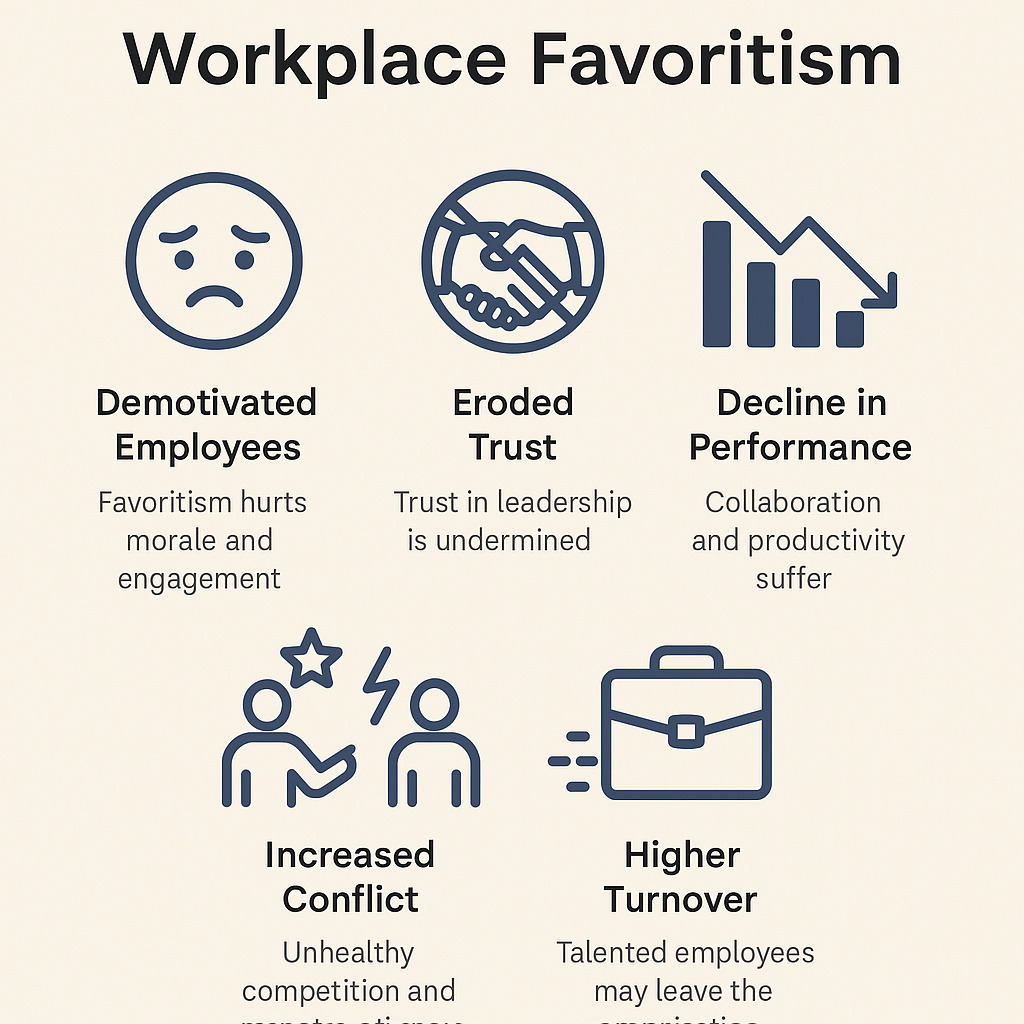
This discussion tackles the perils of favoritism in the workplace which is defined as leaders showing preferential treatment to certain employees without regard for their actual contributions. This behavior has several negative consequences, including reduced morale and trust, decreased team performance, unhealthy competition among colleagues, and increased employee turnover. Instead of favoritism, leaders should prioritize transparency, objective evaluations, equal opportunities, and consistent engagement with all team members to cultivate a fair and productive environment. Finally, the dialogue establishes that fairness and equity are essential for building a motivated and successful team.

Improving Workplace Comradery
Leaderly
This discussion outlines the strategies used to enhance workplace comradery, emphasizing open communication, recognition of achievements, and team-building activities. Furthermore, the dialogue highlights the importance of creating an inclusive environment, empowering employees, and fostering collaboration over competition. Ultimately, improved comradery yields significant benefits such as increased productivity and morale, stronger organizational culture, and better employee retention. Therefore, building positive relationships in the workplace through intentional efforts is crucial for overall success.
The Power of 1% Improvement
Leaderly
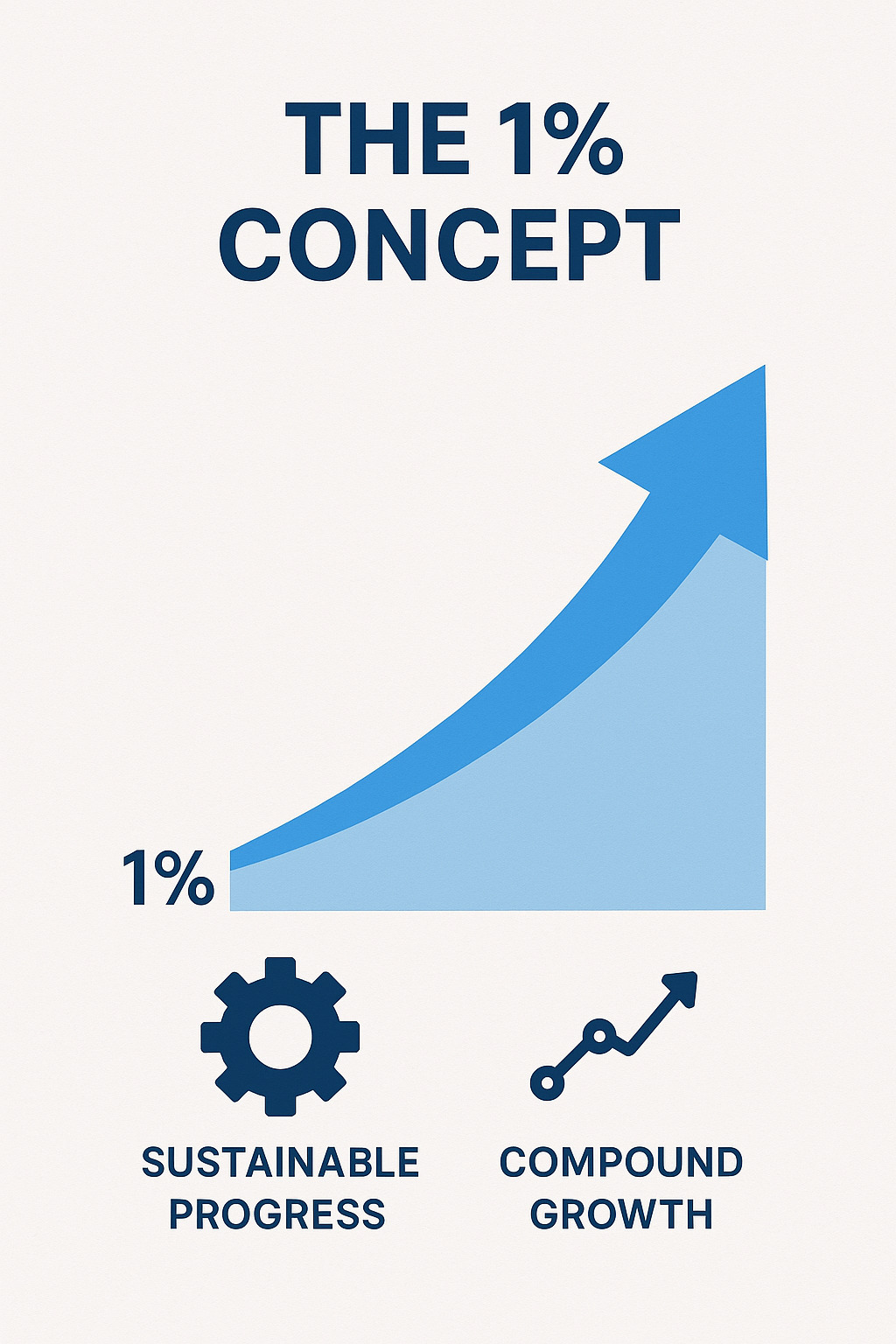
This discussion introduces the 1% concept, which posits that small, daily improvements of just one percent can accumulate into significant long-term progress. This approach emphasizes incremental change, making goals more manageable and fostering sustainability in various aspects of life, from personal growth to business success. By focusing on consistent, minor enhancements, individuals and organizations can cultivate a growth mindset and achieve substantial results over time.

Managing Employee Tardiness
Leaderly
Managing employee tardiness effectively requires a structured approach emphasizing fairness and clear communication. Leaders need to establish explicit attendance policies and ensure all employees understand them from the start. When lateness occurs, addressing it promptly and privately while documenting each instance is crucial. A progressive disciplinary system, starting with warnings and escalating, if necessary, should be consistently applied. Offering support or flexibility when appropriate and reinforcing the importance of punctuality to the team can also be beneficial.

Act like a Leader, Think like a Leader
Herminia Ibarra
This discussion is about Herminia Ibarra's Act Like a Leader, Think Like a Leader which proposes a shift in leadership development, asserting that acting in new ways precedes a change in thinking. Ibarra advocates for "outsight" gained through experimentation and broadening one's network rather than relying solely on introspection. The discussion encourages readers to redefine their roles to include more strategic activities and to actively try out new leadership behaviors to facilitate professional growth. Ultimately, Ibarra argues that leadership is a continuous practice learned through doing, and individuals should embrace action over excessive planning to evolve their professional identity.

Multipliers
Liz Wiseman
This discussion is about Liz Wiseman's book Multipliers which explores the contrasting impact of leaders who either amplify their team's intelligence or inadvertently diminish it. Wiseman introduces the concepts of "Multipliers," who cultivate talent and foster independent thinking, and "Diminishers," who stifle potential despite their intentions. Wiseman also outlines five key disciplines that characterize Multipliers, such as attracting talent, creating challenges, and investing in others' growth. Wiseman also argues that by understanding these differences, leaders can choose to become Multipliers, unlocking significantly more capability from their teams through conscious behavioral shifts.

Leading Through Problem Solving
Leaderly
This discussion is about the linkage between effective leaders and problem solving. Effective leaders excel at problem-solving by providing clarity, making informed decisions, and empowering team contributions. They maintain composure in stressful situations and foster a culture of continuous learning from mistakes. Furthermore, strong leaders ensure that solutions align with the overarching vision and values of the organization. Ultimately, this connection between leadership and problem-solving is presented as crucial for achieving organizational success.

Learning from Discussions
Leaderly
Discussions enhance information retention through active engagement that reduces distractions and focuses attention. Hearing multiple perspectives broadens understanding and cultivates critical thinking. The clarification offered by immediate feedback and contextual examples aids comprehension. Information presented in a conversational manner provides contextual learning and highlights real-world applications, making it more memorable. Finally, social interaction fosters emotional engagement and a supportive learning environment, further solidifying retention.