
Leader Talks
Listen to our latest Leader Talks
Short audio conversations on leadership, management, and coaching, from the Leaderly team.
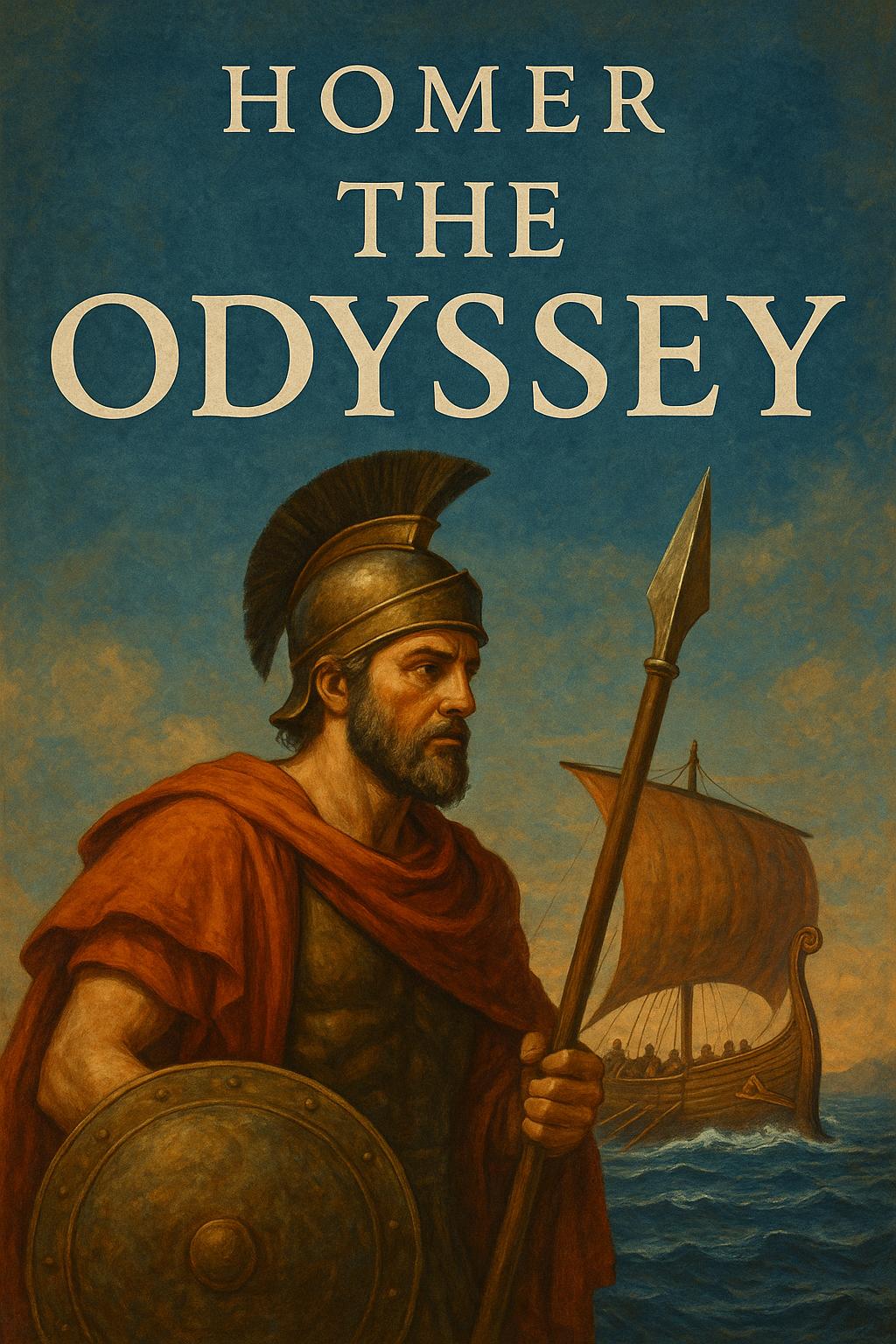
The Odyssey of Leadership
Homer
This discussion offers an overview of Homer's Odyssey, an ancient Greek epic poem detailing Odysseus's perilous ten-year journey home after the Trojan War. The discussion also highlights the dual nature as both an adventure story and a profound exploration of leadership principles. The dialogue identifies five key leadership takeaways from Odysseus's experiences: adaptability, strategic thinking, perseverance, accountability, and the ability to inspire loyalty. Ultimately, the Odyssey is presented as a timeless guide for leaders navigating complex challenges with wisdom and resilience.
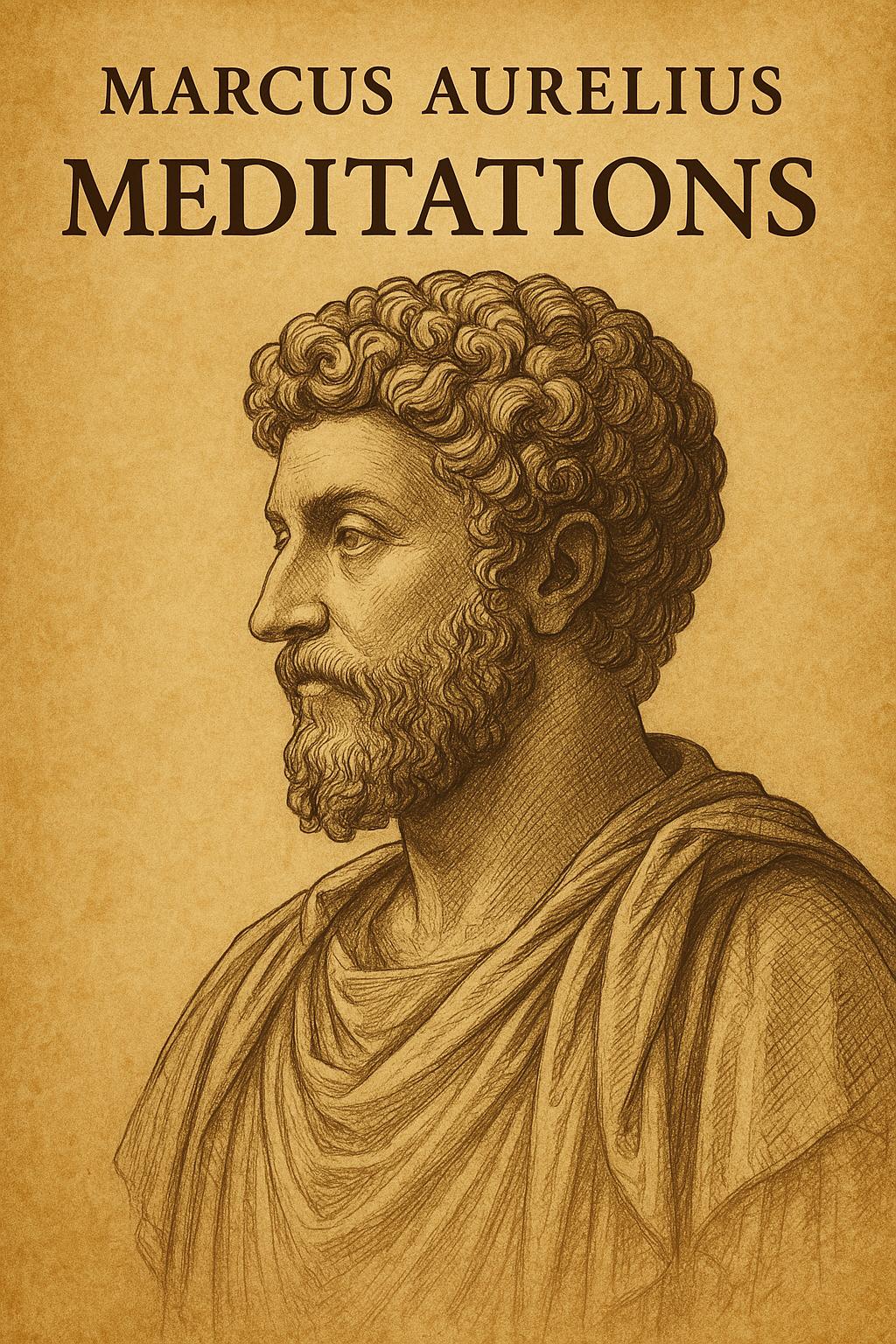
Meditations
Marcus Aurelius
The discussion provides an overview of Marcus Aurelius's Meditations, explaining its origins as a personal journal written between 170 and 180 AD that has since become a foundational work on ethics and leadership. The discussion highlights Aurelius's Stoic philosophical perspective, emphasizing self-guidance, discipline, and virtue. The dialogue further breaks down five key leadership principles found within Meditations, such as leading with integrity, practicing self-discipline, embracing life's transience, serving the common good, and leading by example. Ultimately, Meditations serves as a guide for inner leadership, focusing on self-discipline, humility, and service as cornerstones of ethical leadership.

The Upside of Uncertainty
Nathan and Susannah Furr
The Upside of Uncertainty by Nathan and Susannah Furr, explores how embracing uncertainty can lead to personal and professional growth. It introduces the idea that uncertainty is a key driver of innovation and creativity. The book highlights that risk-taking builds confidence and adaptability over time. A central concept is “transilience,” which refers to the ability to move forward through unknowns with flexibility and strength. Leaders are encouraged to model courage and openness during ambiguous situations. This approach fosters resilient teams capable of thriving in change.

Leading Through Uncertainty
Jude Jennison
Jude Jennison's Leading Through Uncertainty, equips leaders to guide teams through rapid and unpredictable change. It begins by emphasizing the importance of acknowledging the emotional responses that uncertainty brings, fostering genuine human connection. A core concept is embodied leadership, where presence and nonverbal cues enhance awareness and trust. The book also introduces principles such as letting go of rigid control, anchoring decisions in core values, and staying adaptable. Leaders are encouraged to integrate emotional intelligence with strategic thinking to cultivate psychological safety.

Power Your Career: The Art of Tactful Self-Promotion at Work
Nancy Burke and Richard Dodson
Power Your Career: The Art of Tactful Self-Promotion at Work explores how professionals can advance by strategically communicating their value. It stresses that self-promotion, when done with integrity and purpose, is not bragging—it’s a responsibility. Emotional intelligence is key, helping individuals align personal achievements with their team’s or organization’s goals. The book emphasizes the importance of visibility, encouraging proactive, authentic sharing of contributions. Leaders play a crucial role by modeling recognition and creating cultures where accomplishments are acknowledged.

Presence: Bringing Your Boldest Self to Your Biggest Challenges
Amy Cuddy
Presence: Bringing Your Boldest Self to Your Biggest Challenges focuses on cultivating authentic confidence by understanding and embodying presence. Presence is described as the alignment of thoughts, emotions, and actions, allowing individuals to tap into genuine inner strength. Research shows that body language, like power poses, can influence mental states and shift internal chemistry. Small adjustments in posture, breathing, or self-talk can significantly improve performance and ease anxiety. Leaders who consistently practice presence tend to build trust and motivate those around them. The book concludes with practical strategies to enhance self-awareness and resilience under pressure.

The Unspoken Truths for Career Success
Harvard Business Review
The Unspoken Truths for Career Success, based on insights from the Harvard Business Review, explores how professionals can thrive by mastering unspoken workplace dynamics. It argues that perception often outweighs performance—how others see you is as important as what you accomplish. Building strong networks and relationships opens doors to new roles, mentorship, and leadership opportunities. Success also hinges on decoding and adapting to the unwritten rules and norms unique to each organization. These principles are especially vital for leaders, who must not only excel but also guide others through these invisible structures.

Hope in the Dark
Rebecca Solnit
This dialogue explores Hope in the Dark by Rebecca Solnit, which frames hope as a powerful force for action and resilient leadership, especially in uncertain times. Solnit argues that hope thrives not in certainty, but in the unknown—where possibility and change still exist. The book reminds us that progress is rarely linear, and even small efforts can lead to significant, often invisible, impacts over time. By drawing on historical movements and long-view perspective, Solnit encourages persistence even when outcomes are unclear. This approach to hope urges leaders to act with courage despite ambiguity. It’s a call to inspire others through steady, purposeful effort in the face of complexity.

Resonant Leadership
Richard Boyatzis & Annie McKee
This conversation explores Resonant Leadership by Richard Boyatzis and Annie McKee, which centers on emotional intelligence as the foundation of effective leadership. A key principle is emotional attunement—the ability to connect with others in a way that creates trust, positivity, and meaningful relationships. The book warns that chronic stress can lead to dissonant leadership, marked by disconnection and burnout. To stay resonant, leaders must engage in regular renewal practices that sustain emotional and mental well-being. Mindfulness, hope, and compassion are essential tools for maintaining this balance and inspiring others.

The Anatomy of Hope
Dr. Jerome Groopman
This discussion explores The Anatomy of Hope by Dr. Jerome Groopman, which reveals the profound impact of hope on health, choices, and leadership. The book outlines that hope can positively influence physical outcomes and emotional resilience. Groopman distinguishes between authentic hope and false reassurance, emphasizing the need for honesty alongside optimism. He argues that hope is not just an emotion, but a choice and skill that can be nurtured. Leaders who embody genuine hope offer strength, clarity, and guidance—especially during uncertainty.

The Psychology of Hope
C.R. Snyder
This discussion explores C.R. Snyder’s The Psychology of Hope, which defines hope as a cognitive framework made up of goals, pathways, and agency. Hope begins with clear, meaningful goals that give direction and purpose. The ability to generate multiple pathways is essential for navigating obstacles and adapting to change. Agency—the inner belief that one can initiate and sustain movement toward goals—fuels motivation and perseverance. For leaders, cultivating hope is not just personal; it becomes a tool to inspire teams, maintain momentum, and model resilience through challenges. Hopeful leadership helps people see possibility even in uncertainty, fostering growth and progress.

Guide to Supervisors
J.J. O'Conner
This discussion offers a summary of a Guide to Supervisors, which outlines seven essential principles crucial for effective leadership. O'Connor covers foundational aspects such as the supervisor's role as a link between different levels of an organization and strategies for assessing employee performance and encouraging growth. The discussion emphasizes the significance of clear communication, establishing well-defined goals, and techniques for resolving disagreements. Furthermore, the discussion addresses the importance of facilitating employee learning and advancement and navigating legal and ethical responsibilities in the workplace.

Accountability in the Workplace
Brian Dwyer
This discussion is about Brian Dwyer's "Accountability in the Workplace" which examines the concept of taking responsibility for one's work and its importance for a healthy organizational culture. Dwyer outlines the positive outcomes of accountability, such as better performance and morale, and contrasts these with the negative consequences of its absence. The discussion also provides practical guidance on how leaders can cultivate an environment of accountability through clear expectations, feedback, and their own actions. Ultimately, the dialogue serves as a resource for improving employee responsibility and creating a more unified and productive work setting.

Whatever It Is, I’m Against It: Resistance to Change in Higher Education
Brian Rosenberg
This conversation explores Whatever It Is, I’m Against It by Brian Rosenberg, which analyzes the deep-rooted resistance to change in higher education. The book identifies structural challenges, such as shared governance models that empower many to veto but few to lead change. Cultural elements like entrenched traditions and tenure systems also create barriers to innovation. Yet, higher education faces increasing pressure to evolve in response to societal, technological, and financial shifts. Rosenberg argues that transformative leadership is essential—leaders must navigate these complexities with vision, courage, and respect for academic values. Effective change in this environment depends on building consensus, challenging inertia, and driving reform with clarity and purpose.

Change Killers
Jan Kaderly
This discussion explores Change Killers by Jan Kaderly, which reveals why many organizational change efforts fail despite appearing to have support. The book emphasizes that hidden resistance—rooted in psychological, emotional, and cultural dynamics—often undermines change more than visible obstacles. It warns that surface-level agreement can create an “illusion of alignment,” where people nod along but remain internally unconvinced. True transformation requires identity-level shifts, as resistance frequently stems from a threat to how individuals see themselves. Leaders must learn to detect and address these deeper concerns with empathy and clarity. Creating psychological safety and leading with respect for people’s identities is essential for meaningful, lasting change.

The Art of Happiness
Dalai Lama and Howard Cutler
This discussion draws from The Art of Happiness and explores how inner peace and compassion are vital to effective leadership. The book teaches that happiness is not merely a feeling but a skill that can be developed through daily practice. Compassion for others is emphasized as a foundation for lasting fulfillment and authentic connection. It also encourages embracing suffering as a meaningful part of growth, both personally and professionally. Leaders who embody these principles foster trust, cultivate supportive environments, and lead with resilience and clarity. A leader’s inner state profoundly shapes their external influence and long-term impact.

Crucial Conversations: Tools for Talking When Stakes Are High
Kerry Patterson, Joseph Grenny, Ron McMillan, Al Switzler
This discussion explores Crucial Conversations, which offers tools for handling high-stakes, emotionally charged conversations with clarity and confidence. The book outlines key principles like defining your real goals before engaging, creating psychological safety so others feel free to speak, and managing the stories you tell yourself about what’s happening. These skills help prevent conversations from escalating and keep discussions productive. For leaders, mastering crucial conversations builds trust, improves problem-solving, and fosters healthier team dynamics. It encourages honest dialogue while minimizing defensiveness and misunderstandings.

So Good They Can’t Ignore You
Cal Newport
This conversation explores key ideas from So Good They Can’t Ignore You by Cal Newport, challenging the belief that passion should guide career choices. Newport argues that career satisfaction is a byproduct of developing mastery—not a prerequisite. The book introduces the concept of “career capital,” the valuable skills and experience individuals accumulate through deliberate practice and focused effort. Instead of chasing passion, Newport encourages adopting a craftsman mindset—prioritizing excellence and value creation in one’s work. This approach leads to greater autonomy, fulfillment, and recognition. Ultimately, the path to impactful leadership lies in competence, consistency, and contribution.

Pivot: The Only Move That Matters Is Your Next One
Jenny Blake
This discussion explores a strategic approach to career change and leadership growth, grounded in the concept of pivoting. Rather than starting from scratch, successful pivots build on existing strengths, experiences, and networks. Leaders are encouraged to stay curious, observe emerging trends, and gather feedback to identify potential new directions. The dialogue emphasizes testing ideas through small, low-risk experiments before committing to major shifts—mirroring agile practices. This proactive mindset reduces risk and increases adaptability. Ultimately, leaders who pivot strategically foster a culture of resilience, learning, and forward momentum.
How the Brain Learns
David Sousa
This discussion summarizes David A. Sousa's book, "How the Brain Learns," which focuses on applying neuroscience principles to educational practices. Sousa outlines key aspects of brain function relevant to learning, including brain structure, the learning process itself, memory formation and retrieval, and the significant influence of emotions. The dialogue also highlights the importance of neuroplasticity, the brain's ability to change, emphasizing learning as a lifelong capacity. Ultimately, this discussion serves as a guide for educators to use this understanding to improve teaching and student engagement.
Do the Hard Things First
Scott Allan
This discussion of Scott Allan's book, Do the Hard Things First, explains the core message of conquering procrastination by addressing the psychological reasons behind task avoidance and implementing practical methods. The dialogue highlights identifying and confronting underlying fears as a key step, alongside employing actionable strategies like time-blocking. A central tenet is adopting a "pay now, play later" mindset, prioritizing difficult tasks before leisure. This discussion also stresses applying these improvements across various life areas and building a systematic approach to forming positive habits for lasting change.