
Leader Talks
Listen to our latest Leader Talks
Short audio conversations on leadership, management, and coaching, from the Leaderly team.

The Adventures of Huckleberry Finn
Mark Twain
This discussion on The Adventures of Huckleberry Finn explores Huck's journey as a model of moral courage and ethical leadership. Huck demonstrates independent thinking as he questions the racist beliefs of his society and chooses empathy over conformity. His evolving conscience leads him to protect Jim, despite the legal and cultural expectations of the time. The dialogue positions Huck’s actions as acts of quiet rebellion rooted in human dignity. By choosing integrity over compliance, Huck embodies the kind of leadership that challenges injustice. The novel ultimately teaches that true leadership often begins with the courage to think—and act—differently.
Fiddler on the Roof
Sholem Aleichem
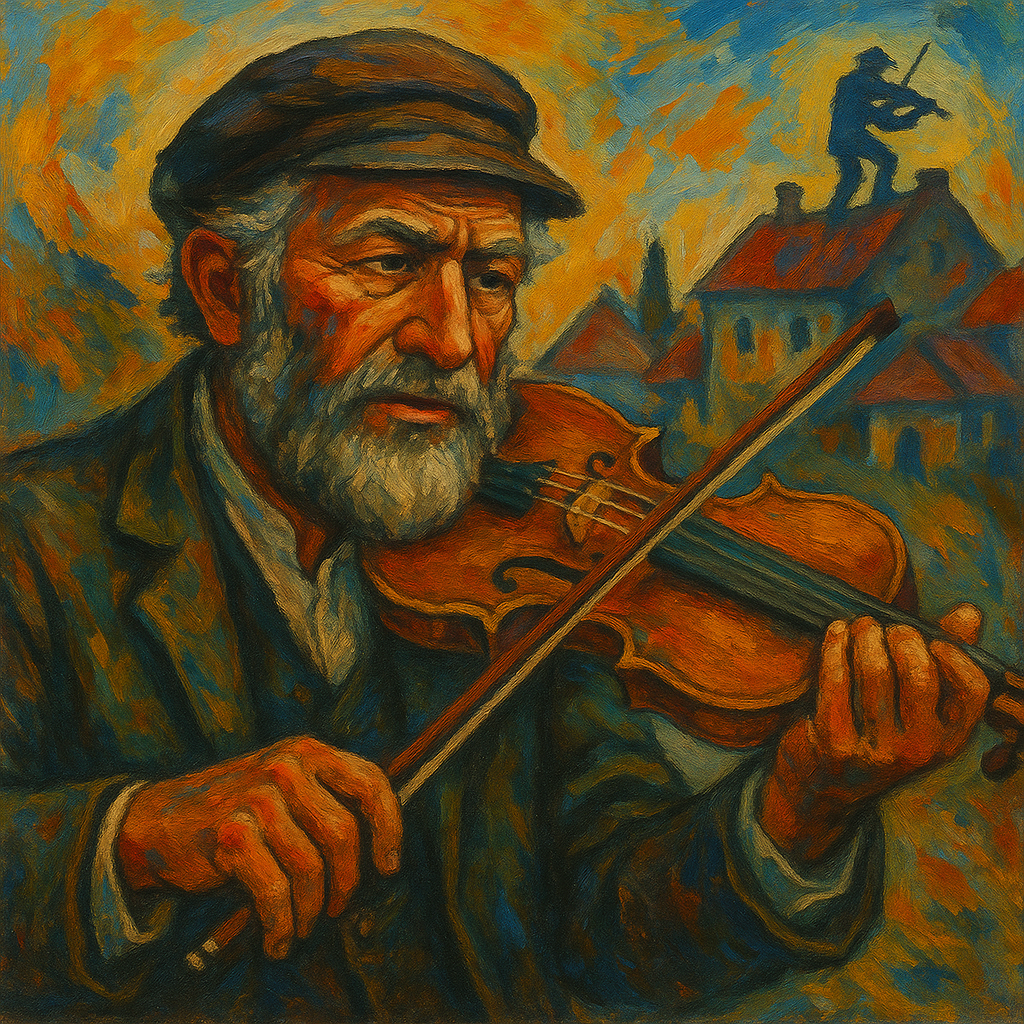
This dialogue about Sholem Aleichem's Fiddler on the Roof examines how the protagonist, Tevye, navigates the complex interplay between deeply held traditions and the inevitable forces of change. It highlights Tevye's internal struggles as he grapples with his daughters' evolving perspectives on marriage and independence, showcasing his moral and ethical decision-making beyond mere adherence to custom. The conversation further explores how Tevye, despite lacking a formal position, exemplifies values-based leadership through his wisdom, humility, and ability to influence his family and community. Ultimately, it emphasizes that effective leadership involves balancing heritage with progress, adapting to new realities while remaining true to one's core convictions.

The Color Purple
Alice Walker
This discussion about Alice Walker's The Color Purple highlights Celie's journey as a powerful example of personal leadership. It explores how Celie discovers her voice, builds resilience, and transforms through the support of community and sisterhood. Her growth illustrates that leadership often begins with internal strength and self-awareness. Rather than holding formal power, Celie leads by reclaiming her identity and inspiring others to do the same. The novel challenges conventional leadership models by centering emotional growth and courage. In the end, Celie’s transformation represents leadership rooted in authenticity and empowerment.

Big Feelings: How to Be Okay When Things Are Not Okay
Fosslien and Duffy
This discussion based on the book, Big Feelings: How to Be Okay When Things Are Not Okay by Fosslien and Duffy, focuses on managing intense emotions such as anxiety and burnout. It asserts that experiencing big feelings is a normal part of being human, not a flaw. Emotional agility—through tools like journaling—helps individuals acknowledge emotions without being overwhelmed. The dialogue emphasizes the value of building authentic connections as a buffer against emotional overload. Leaders who model vulnerability and emotional transparency contribute to a culture of trust and psychological safety.

Think Again: The Power of Knowing What You Don't Know
Adam Grant
This discussion, based on Adam Grant’s Think Again: The Power of Knowing What You Don’t Know, explores how rethinking is essential to effective leadership. It emphasizes that great leaders prioritize accuracy over ego, valuing learning more than being right. A central concept is intellectual humility—recognizing the limits of one’s knowledge and remaining open to new perspectives. The dialogue also highlights that detaching identity from ideas fosters flexibility and resilience. Leaders are encouraged to create psychological safety so team members feel safe to challenge ideas and offer dissenting views. Ultimately, cultivating a rethinking mindset builds trust, drives innovation, and strengthens adaptability in uncertain environments.

Get Over Yourself: Effective Leadership Through Delegation
Dave Kerpen
This discussion, based on Dave Kerpen’s Get Over Yourself: Effective Leadership Through Delegation, explores how ego can hinder effective leadership. It emphasizes that leaders often resist delegation due to the belief that only they can deliver quality results, which leads to burnout and limits team potential. Kerpen urges a mindset shift—trusting team members' abilities is essential for true empowerment. The conversation also notes that while systems and tools can aid delegation, they are only effective when built on trust. Strategic delegation, therefore, becomes a catalyst for scalability, improved morale, and better focus on leadership priorities. Leaders who embrace this approach free themselves to think long-term while building stronger, more capable teams.

The Art of Delegation: Empowering Teams for Success
Maria Peña
This conversation, based on Maria Peña’s The Art of Delegation: Empowering Teams, positions delegation as a vital leadership strategy rather than simple task assignment. It highlights how empowering team members with responsibility and decision-making authority builds motivation and ownership. The dialogue emphasizes that successful delegation requires clear communication, mutual understanding of expectations, and consistent support. Peña argues that delegation is a developmental tool that strengthens individuals and teams over time. Leaders who delegate effectively create space for innovation, growth, and trust within their organizations.

Insight: The Power of Self-Awareness in a Self-Deluded World
Tasha Eurich
This conversation, based on Tasha Eurich's book Insight: The Power of Self-Awareness, explores how self-awareness is essential for personal and leadership development. It defines self-awareness as having both internal clarity—understanding one’s values, emotions, and goals—and external awareness—recognizing how others perceive us. Despite its importance, true self-awareness is rare, as people often misjudge their own behavior and impact. Eurich recommends asking “what” instead of “why” questions to foster productive reflection and reduce self-blame. The dialogue also stresses that self-aware leaders create more empathetic, trusting environments and make better decisions.

Deep and Deliberate Delegation
Dave Stitt
The dialogue based on the book, Deep and Deliberate Delegation by Dave Stitt, outlines a strategic approach to leadership through intentional delegation. It defines true delegation as empowering others, not just assigning tasks. Stitt stresses that leaders must move from hands-on involvement to enabling team ownership of outcomes. Effective delegation requires clear communication, structured follow-ups, and mutual trust. The conversation also challenges leaders to confront internal barriers like perfectionism or fear of losing control. Ultimately, building strong, capable teams through deliberate delegation is presented as essential to leadership success.

Courage: Catalyst of Character
Dave and James Anderson
This discussion explores the concept of courage in leadership through a realistic business scenario. The discussion further highlights that courage is a conscious choice, not an inherent trait, exemplified by a team leader, Melissa, who prioritizes integrity over a lucrative deal. The author, Anderson, emphasizes that moral courage, like Melissa's decision to address a zoning violation despite potential career repercussions, often surpasses physical bravery in its complexity. Ultimately, the dialogue argues that courage acts as a catalyst, enabling other habits like integrity, humility, selflessness, duty and positivity, thereby shaping a leader's character and influencing organizational culture.

The Leadership Engine
Noel Tichy
This discussion is about Noel M. Tichy's "The Leadership Engine: How Winning Companies Build Leaders at Every Level" which proposes that successful organizations foster leadership capabilities throughout all levels, rather than relying solely on top executives. The discussion highlights five core principles for cultivating this "Leadership Engine": leaders must act as teachers, inspiring and developing others; everyone within an organization can be a leader, not just those with specific titles; companies need a systematic approach to leadership development rather than depending on a single "star" CEO; values-driven leadership is crucial for guiding strategy and action; and challenging assignments provide essential "teachable moments" for growth. Ultimately, Tichy argues that organizations become great by systematically "teaching" leadership at every level, building a sustainable competitive advantage.

The Pursuit of Happyness
Chris Gardner
This discussion provides an overview of Chris Gardner's memoir, "The Pursuit of Happyness," which focuses on his remarkable journey from homelessness to becoming a successful stockbroker. Gardner highlights the significant adversity he faced as a single father and his unwavering determination to achieve a better life for himself and his son. The discussion further articulates five key leadership challenges Gardner encountered, such as overcoming hardship, balancing personal and professional life, and pursuing continuous self-improvement. Gardner also explains how he addressed these challenges through resilience, building relationships, and maintaining a positive mindset. Ultimately, the dialogue emphasizes Gardner's story as a powerful testament to perseverance and the importance of pursuing one's aspirations despite immense obstacles.

Moneyball
Michael Lewis
This discussion is about Michael Lewis' book "Moneyball: The Art of Winning an Unfair Game" which details how the Oakland Athletics, under General Manager Billy Beane, revolutionized baseball by using data analytics, specifically sabermetrics, to build a competitive team with a limited budget. The discussion highlights five key leadership challenges Beane faced: challenging conventional wisdom, embracing data over intuition, building a cohesive team, facing financial constraints, and showing resilience in the face of criticism. Ultimately, "Moneyball" illustrates how innovation, data-driven decisions, and strong leadership can overcome significant obstacles and lead to success.

The Leadership Challenge
Kouzes and Pozner
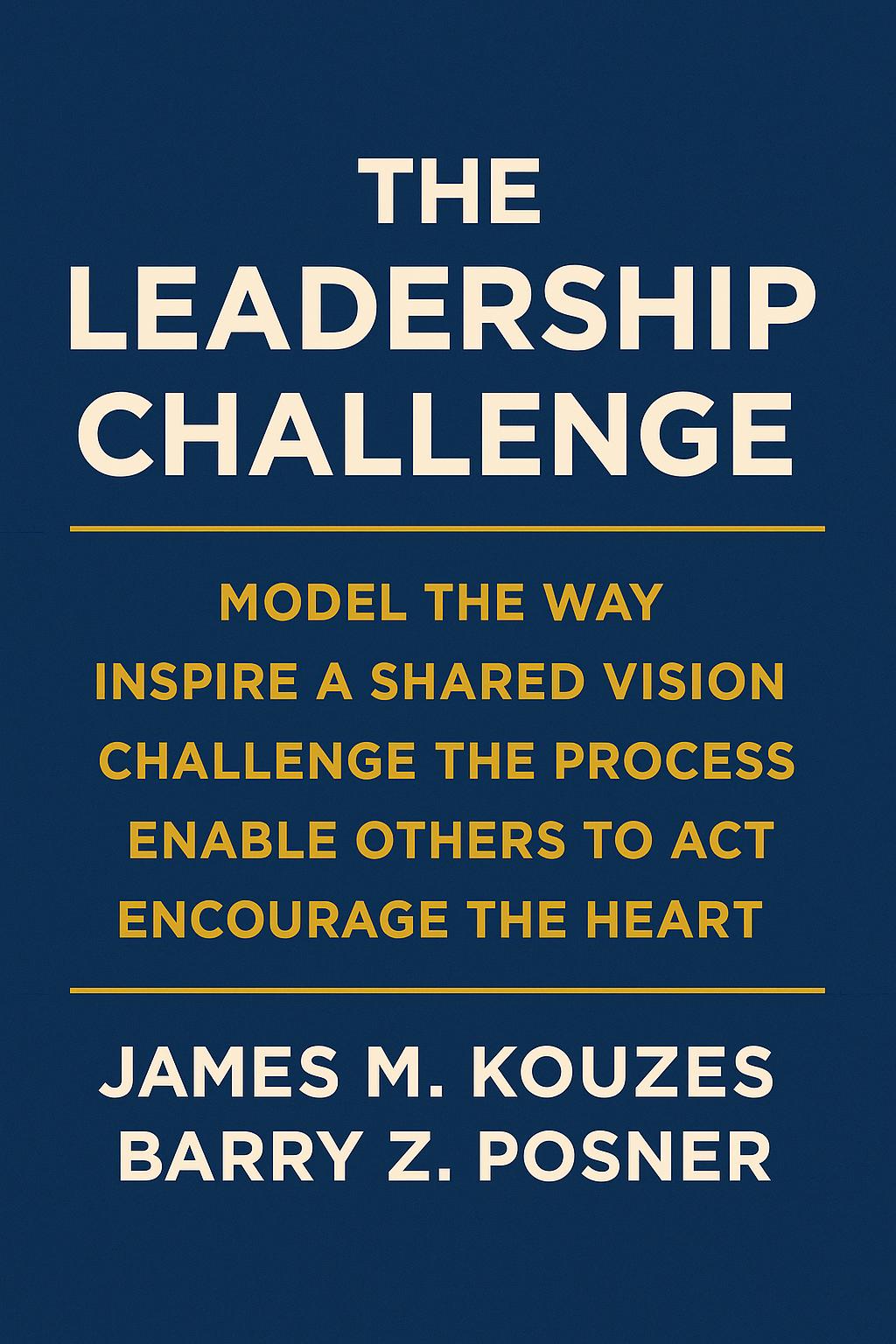
This discussion offers an overview of "The Leadership Challenge" by James M. Kouzes and Barry Z. Posner, a prominent work on leadership development. This widely respected book, grounded in extensive research, posits that leadership is a learnable set of behaviors rather than an inherent trait, emphasizing that it can be practiced at all organizational levels. The core of their framework lies in The Five Practices of Exemplary Leadership: "Model the Way," "Inspire a Shared Vision," "Challenge the Process," "Enable Others to Act," and "Encourage the Heart." These practices illustrate how leaders can build trust, motivate teams, foster innovation, empower individuals, and recognize contributions to achieve shared aspirations. Ultimately, the discussion highlights the book's practical, evidence-based approach to fostering effective, people-centered leadership.

Lost Moon: The Perilous Voyage of Apollo 13
Lovell and Kruger
This discussion offers an overview of the book "Lost Moon: The Perilous Voyage of Apollo 13", co-authored by astronaut Jim Lovell and journalist Jeffrey Kluger. This dialogue recounts the dramatic Apollo 13 mission, highlighting how a near-catastrophic onboard explosion transformed a lunar expedition into a gripping survival story. Beyond the technical challenges, "Lost Moon" serves as a profound case study in crisis leadership. This discussion also five main leadership points derived from the mission: maintaining calm under pressure, trusting and empowering the team, demonstrating adaptability, ensuring clear communication, and leading with optimism and resolve. Ultimately, the authors present a masterclass in resourceful leadership, showcasing how teamwork and human spirit can overcome dire circumstances.

When Breath Becomes Air
Paul Kalanithi
This discussion is about "Breath, Life, and Leadership: Kalanithi's Legacy," which offers an overview and analysis of Paul Kalanithi's memoir, "When Breath Becomes Air." Kalanithi, a neurosurgeon, wrote the book after being diagnosed with terminal lung cancer at age 36, exploring his transition from doctor to patient. The discussion outlines the memoir's structure, detailing his medical career and then his confrontation with illness, interweaving medical and philosophical insights. Furthermore, the dialogue extracts five key leadership lessons from Kalanithi's experience, focusing on empathy, resilience, purpose, balancing professionalism with humanity, and the importance of legacy, demonstrating how his personal journey offers universal guidance.

Daring Greatly
Brene Brown
This discussion offers an overview of Brené Brown's book, "Daring Greatly," which profoundly explores the concept of vulnerability. Brown asserts that embracing vulnerability is a cornerstone of strength, fostering meaningful relationships and effective leadership, rather than a sign of weakness. The discussion also outlines how vulnerability is crucial for innovation and building trust within teams and personal growth. Key leadership lessons from the book emphasize courage over comfort, the creation of trusting cultures, the importance of empathy, and the development of resilience through connection, all stemming from a willingness to be vulnerable. Ultimately, the dialogue highlights the book's message that openness and trust lead to more engaged and innovative workforces.

The Old Man and the Sea
Ernest Hemmingway
This discussion offers an overview of Ernest Hemingway's novella, "The Old Man and the Sea," published in 1952. The dialogue summarizes the plot, detailing Santiago's arduous three-day battle with a giant marlin and his subsequent fight against sharks. The author identifies five core themes within the story, including perseverance, the intricate relationship between humanity and nature, the profound experience of isolation, the concept of dignity even in defeat, and the overarching cycle of life. Ultimately, the source highlights the novella's enduring significance as a reflection on the human spirit.
Empowerment Takes More Than a Minute
Blanchard et al.
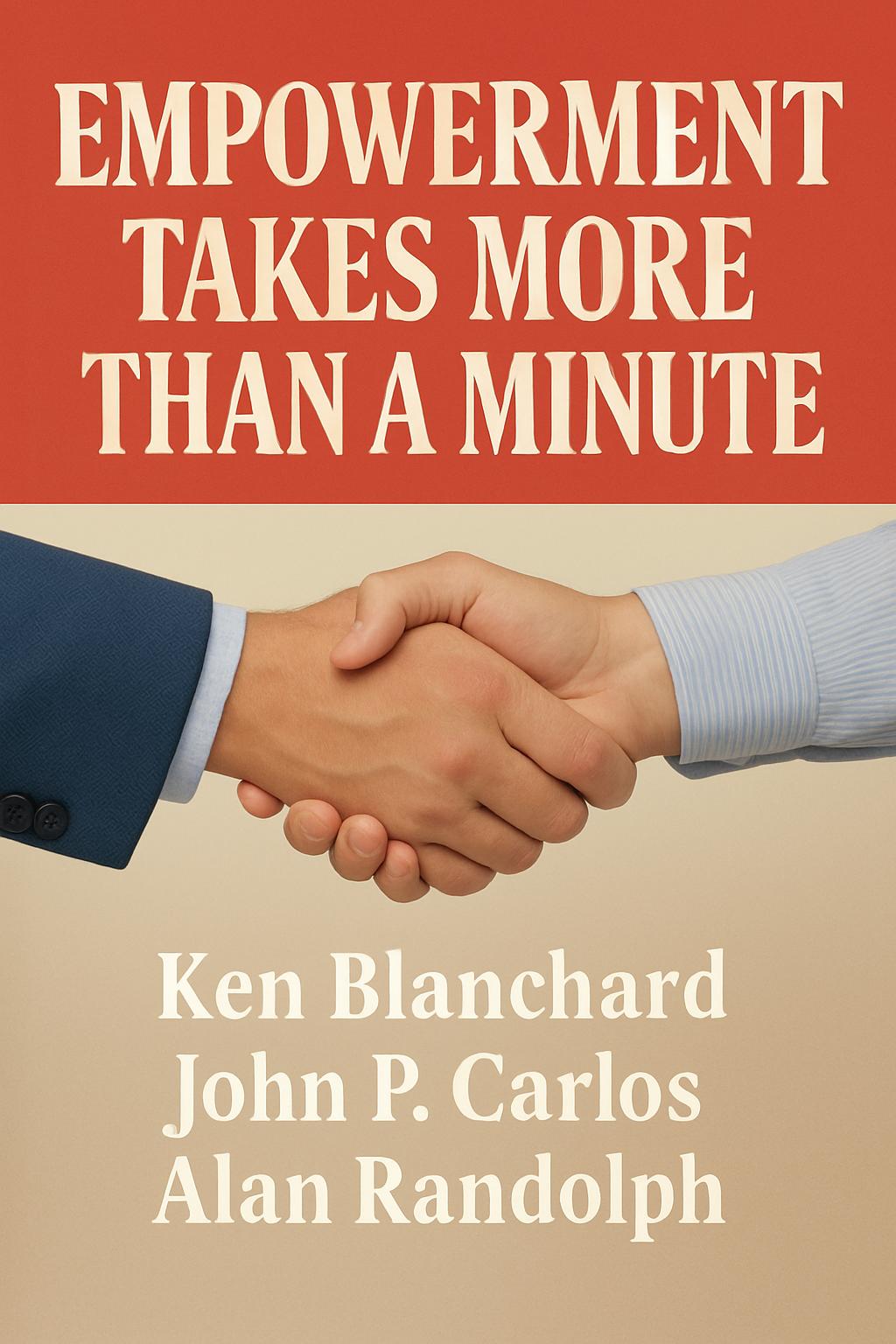
This discussion is about the book Empowerment Takes More Than a Minute which offers a practical guide to fostering empowered workplaces, advocating for a shift away from traditional top-down leadership. It explains that true empowerment is a process built on shared power, not an abandonment of authority, emphasizing the crucial role of trust as its foundation. The authors stress that information must be shared widely and that skills need to be developed before initiative can be expected from teams. Ultimately, the discussion highlights that empowerment is a continuous journey, requiring strategic effort and cultural transformation rather than a one-time event.
The One Minute Manager
Blanchard and Johnson
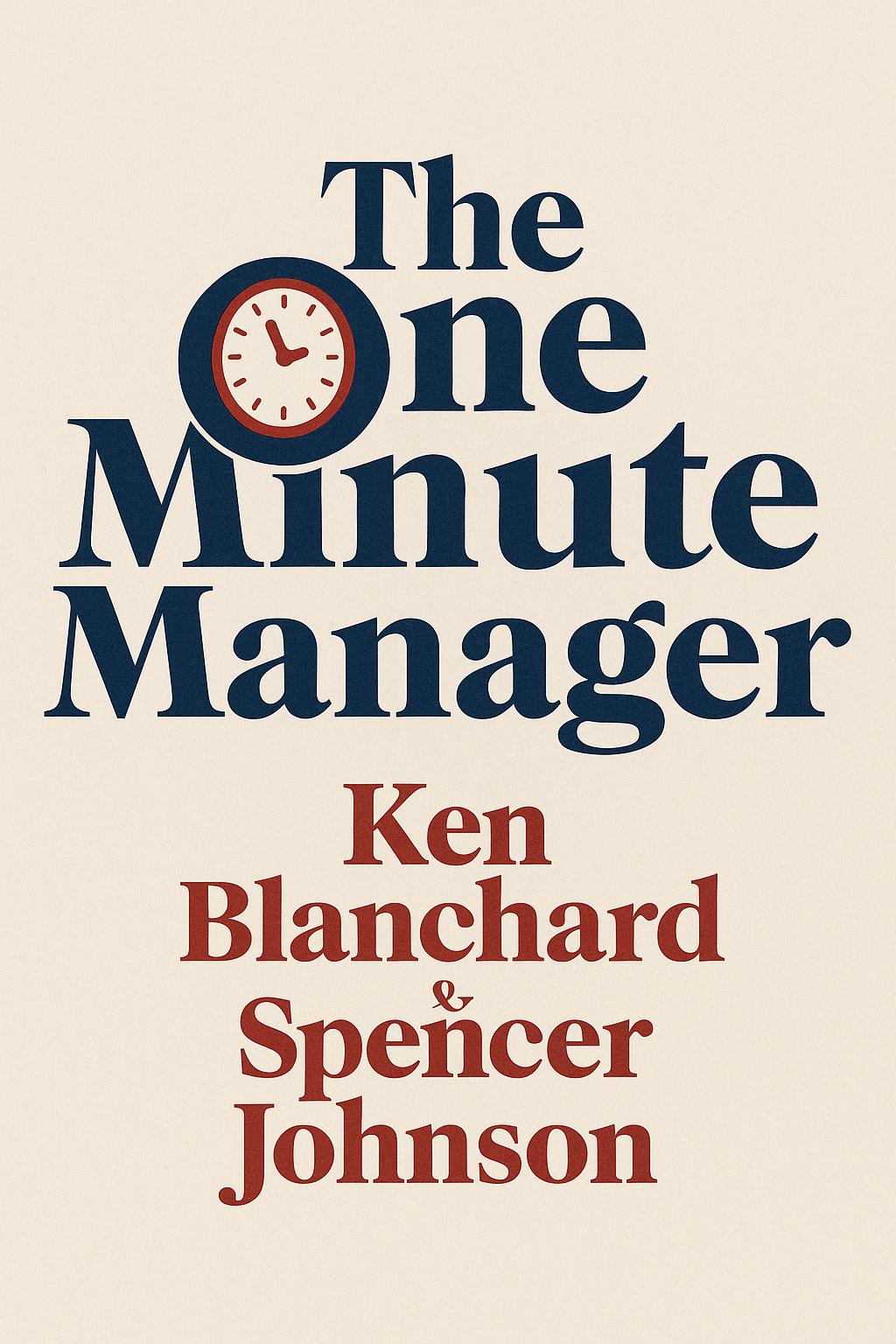
This discussion outlines the core principles of "The One Minute Manager" by Ken Blanchard and Spencer Johnson, a foundational book on leadership and management. The dialogue emphasizes that effective leadership relies on brief, focused interactions rather than lengthy processes. The book introduces three key techniques: setting clear, concise "One Minute Goals" to provide direction, offering "One Minute Praisings" for immediate and specific recognition of good work, and delivering "One Minute Reprimands" to correct behavior constructively without personal attack. Ultimately, the discussion highlights that efficient time management and a people-oriented approach are essential for managers to foster productive and engaged teams.
The Leadership Challenge
Kouzes and Pozner
This discussion offers an overview of "The Leadership Challenge" by James M. Kouzes and Barry Z. Posner, a prominent work on leadership development. This widely respected book, grounded in extensive research, posits that leadership is a learnable set of behaviors rather than an inherent trait, emphasizing that it can be practiced at all organizational levels. The core of their framework lies in The Five Practices of Exemplary Leadership: "Model the Way," "Inspire a Shared Vision," "Challenge the Process," "Enable Others to Act," and "Encourage the Heart." These practices illustrate how leaders can build trust, motivate teams, foster innovation, empower individuals, and recognize contributions to achieve shared aspirations. Ultimately, the discussion highlights the book's practical, evidence-based approach to fostering effective, people-centered leadership.