
Leader Talks
Listen to our latest Leader Talks
Short audio conversations on leadership, management, and coaching, from the Leaderly team.

Younger Next Year
Crowley and Lodge
This discussion summarizes "Younger Next Year," a book that advocates for proactive lifestyle choices to mitigate the effects of aging, asserting that 70% of aging is controllable through exercise, nutrition, and emotional engagement. The authors, Crowley and Dr. Lodge, blend humor with scientific explanations to emphasize that consistent discipline, rather than radical changes, is key to long-term health and vitality. The discussion further outlines five leadership principles derived from the book's philosophy, highlighting how self-discipline, adaptability, emotional engagement, long-term thinking, and modeling positive behavior are crucial for both personal well-being and effective leadership. Ultimately, the dialogue illustrates how the book's core message of "aging is inevitable, but decay is optional" extends beyond individual health to also inform strong leadership practices.
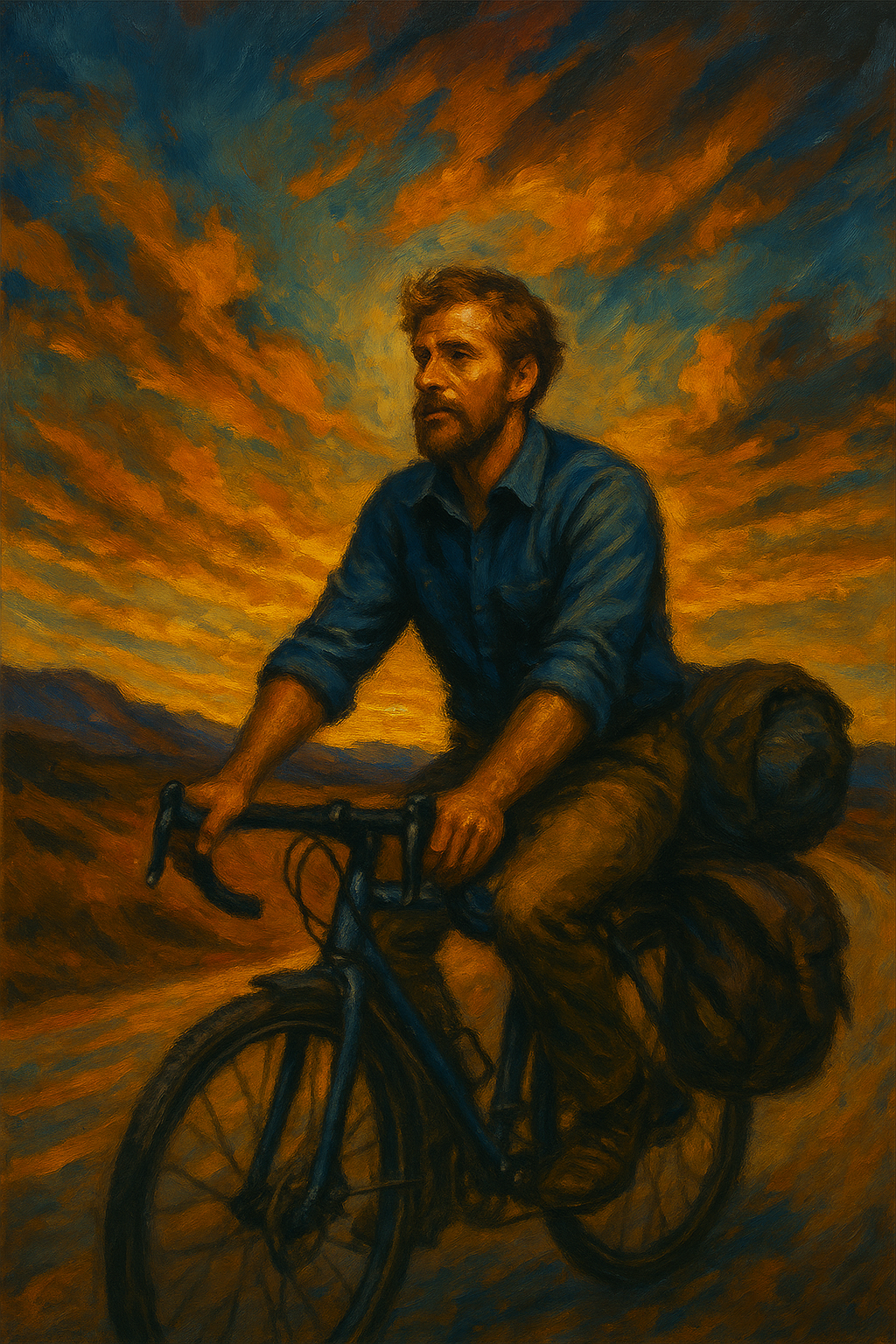
The Ride of Our Lives
John L. Gronski
John L. Gronski’s The Ride of Our Lives: Resilience and Values in Leadership illustrates how personal grit and integrity fuel effective leadership. Using the metaphor of a cross-country bicycle journey, the book shows how adversity shapes character and perseverance. Gronski emphasizes that success must be balanced with personal values and meaningful relationships, ensuring that achievement does not come at the cost of what matters most. The discussion argues that growth lies in the process of the journey rather than in reaching the destination. Leaders, therefore, are called to manage themselves with resilience and integrity while guiding others through challenges with the same spirit.
Leadership Sharpeners
John L. Gronski
John L. Gronski’s Leadership Sharpeners highlights how practical leadership lessons are often found in everyday life. The conversation stresses that true development comes from applying consistent principles across both professional and personal settings. Gronski emphasizes the value of observation and self-reflection, urging leaders to find meaning in ordinary experiences. He argues that leadership is not built on grand moments alone but on small, repeated actions that shape character and influence. The discussion also underlines the importance of remaining open to feedback and change as part of the growth journey. It frames leadership as a lifelong practice of learning, adapting, and inspiring others through steady commitment.
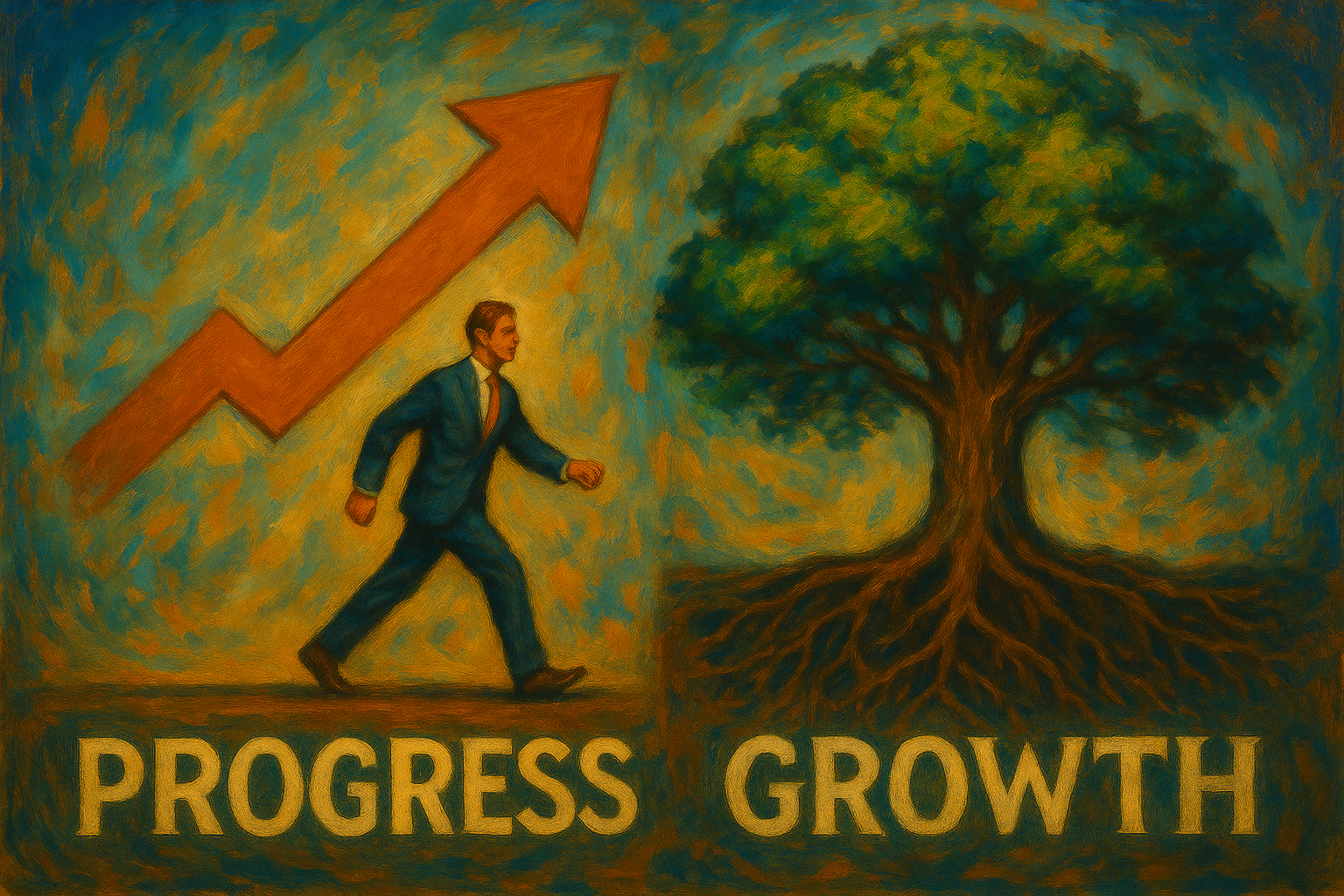
Growth vs. Progress
JC Glick
JC Glick’s Growth vs. Progress explores the distinction between two often-confused ideas in leadership and personal development. Progress is described as linear advancement toward specific goals, usually marked by external achievements. Growth, however, is deeper and multi-dimensional, often unseen by others but reflected in increased resilience, wisdom, and capacity. The dialogue argues that setbacks, when met with the right perspective, contribute more to true success than surface-level accomplishments. Effective leadership, Glick suggests, requires balancing both measurable progress and the more personal, transformative aspects of growth. It is a challenge for leaders to create spaces where people can thrive not only in what they achieve but also in who they become.

Iron-Sharpened Leadership
John L. Gronski
This discussion looks at John L. Gronski’s Iron-Sharpened Leadership: Character, Competence, Resilience and its core ideas about effective leadership. It explains that character, built on trust and integrity, is the foundation of lasting influence. Competence, developed through continuous learning and practice, ensures leaders make wise choices and earn respect. The book also highlights resilience, comparing it to iron being forged, as leaders grow stronger through challenges. Together, these qualities shape leaders who inspire confidence and guide others with clarity. The message is that cultivating character, competence, and resilience allows leaders to grow personally while lifting those around them.
Common Sense
Pete Blaber
This discussion explores Pete Blaber’s book Common Sense, which explains how practical thinking is key to strong leadership. It says that good decisions come from understanding real situations, not just following rules. The book stresses the value of listening to people who are closest to the action. It also highlights the importance of staying calm, grounded, and clear when things get tough. Leadership, according to the book, isn’t about rank but about thoughtful action in the moment. The dialogue encourages leaders to reflect on how well they use common sense and real-world insight in their decisions.
The Making Point
Cedric (Ced) King
This conversation explores The Making Point by Cedric (Ced) King, showing how hard experiences can shape strong leaders. It explains that real growth often comes from pain, pushing people to become more resilient. The “Making Point” is described as the moment someone chooses to rise above overwhelming struggle and grow from it. The book says that having a strong sense of purpose can help leaders go beyond their limits. It encourages reflection on how personal struggles can build character and leadership strength. In the end, it offers inspiration for turning adversity into motivation for both self-growth and leading others.
Flying in the Face of Fear
Kim Campbell
This discussion draws from Kim Campbell’s Flying in the Face of Fear and explores how leaders can build confidence in high-pressure situations. It explains that true courage is not the absence of fear, but the willingness to act in spite of it. The dialogue highlights the value of authenticity for building trust and the role of thorough preparation in boosting confidence. It also acknowledges that fear is inevitable, making readiness and resilience essential. Leaders are encouraged to reflect on their own encounters with fear and how they handle the unexpected. It offers a guide to achieving exceptional performance through a balance of vulnerability, preparation, and decisive action.

Ice Cold Leader: Master Your Inner State
Errol Doebler
This dialogue explores Errol Doebler’s Ice Cold Leader: Master Your Inner State and its focus on emotional self-control as the heart of strong leadership. It explains that leaders must first manage their own mindset before they can guide others effectively. The conversation highlights how steady habits like breathwork or cold exposure can build focus, presence, and resilience. By mastering these practices, leaders can respond with intention instead of reacting on impulse. The approach encourages self-awareness as the path to leading with clarity and calm. It offers a guide for making deliberate choices that inspire confidence and trust.
Leadership & Innovation in Crisis
Liam Collins
This discussion looks at Liam Collins’ Leadership & Innovation in Crisis and how leaders can spark new ideas during tough times. It explains that limits can fuel creativity by forcing people to rethink how things are done. The dialogue says that when teams share a clear mission, members can make smart decisions on their own. In a crisis, it recommends acting quickly instead of waiting for every detail. Leaders are encouraged to stay flexible and build trust through honesty and clear communication. In the end, it offers a guide for succeeding in uncertain times by combining agility with purpose.
Why Organizations Need a Baseline Leadership Assessment
Leaderly
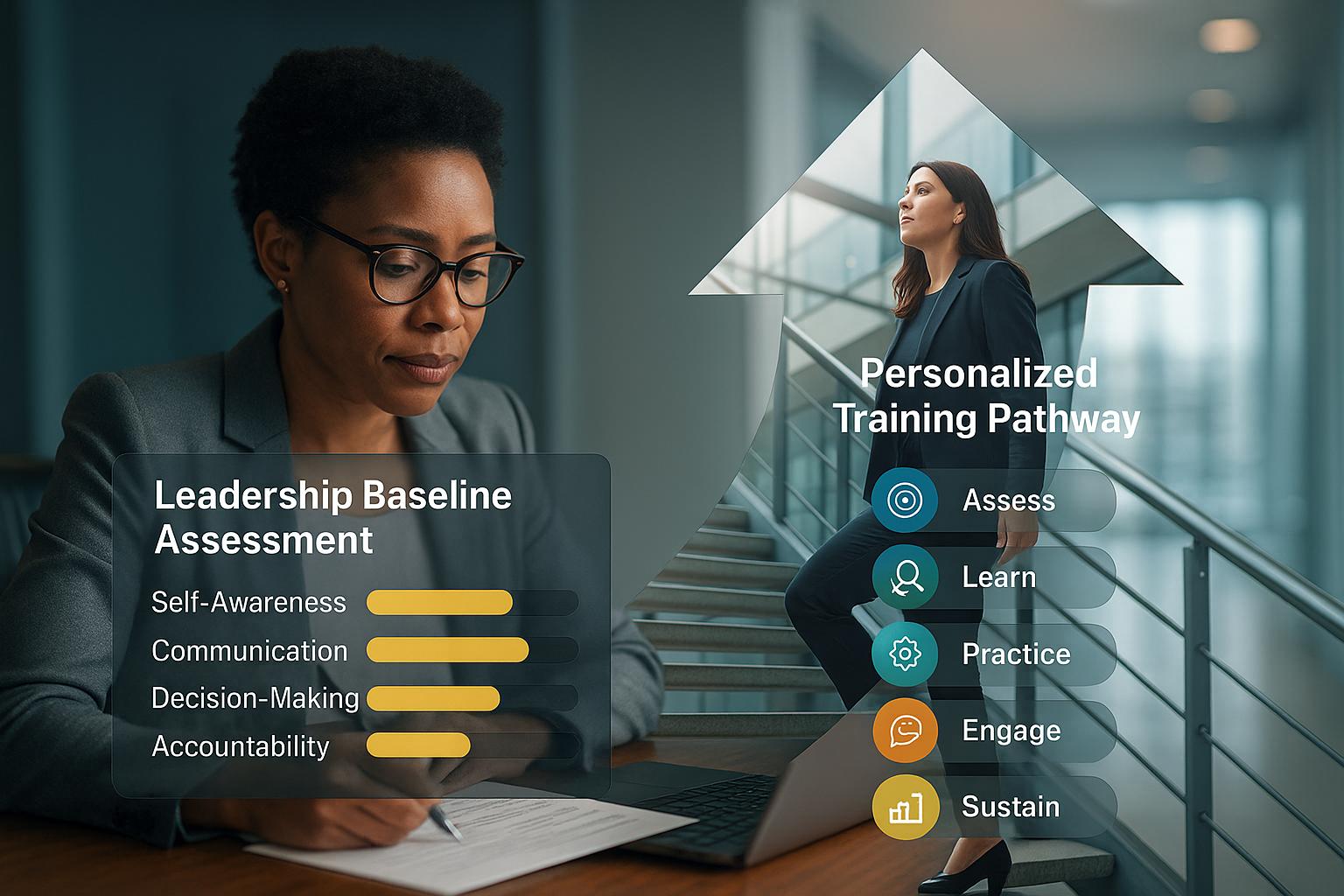
This discussion explains the crucial role of baseline leadership assessments in organizational development, highlighting their ability to establish a starting point for measuring growth, tailor development programs, enhance self-awareness, and allocate resources effectively. It then describes the Leaderly AI ALPES framework, an AI-powered system that optimizes this process by Assessing individual and organizational needs, facilitating personalized Learning through curated pathways, enabling skill Practice via simulations, promoting continuous Engagement, and ensuring the Sustainment of leadership development over time. Together, these elements create a comprehensive and measurable approach to fostering leadership growth.
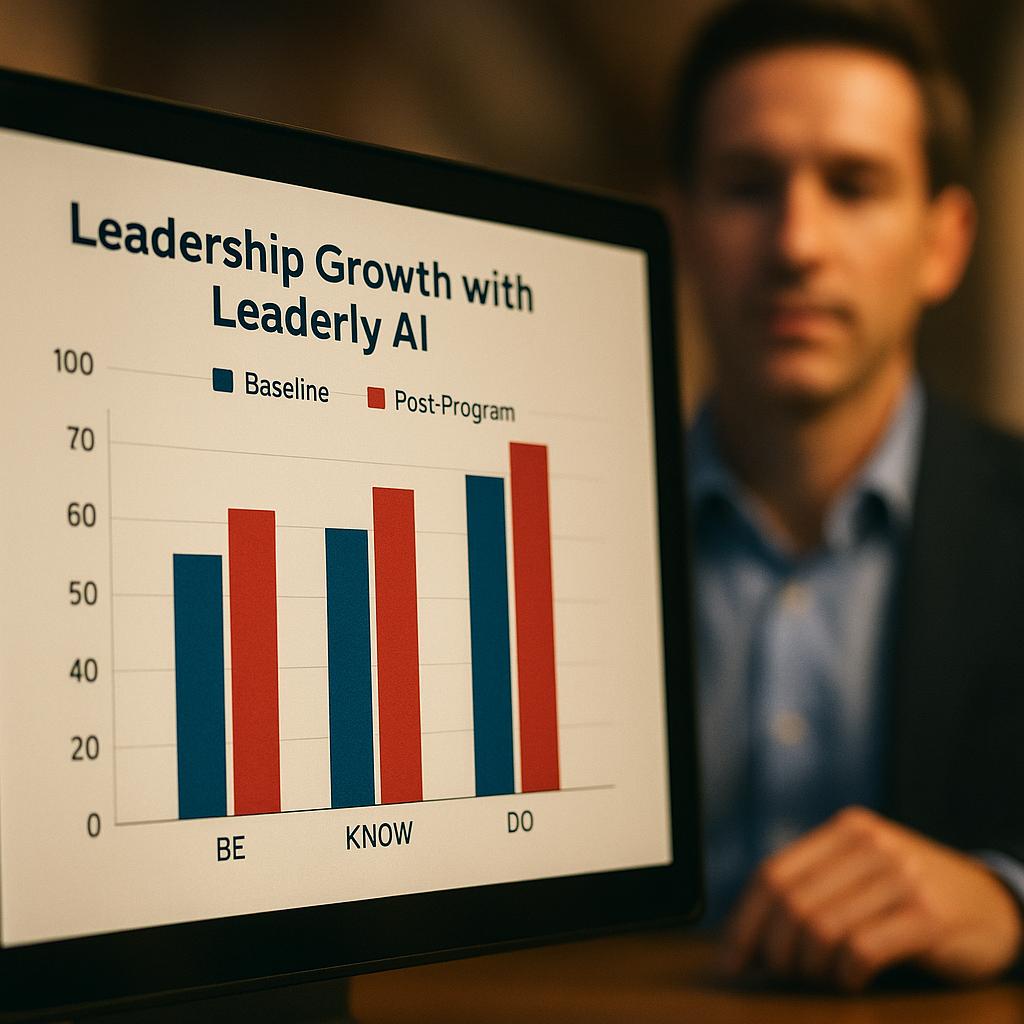
Optimizing Your Growth with a Baseline Self-Assessment
Leaderly
This discussion outlines a systematic approach to professional development, beginning with self-assessment to establish a baseline for growth. It then introduces Leaderly AI's ALPES continuous learning and engagement system, which integrates assessment with targeted learning opportunities. The learning phase is emphasized as being customizable through various modalities like workshops and online courses, designed to be relevant and applicable to individuals and teams. This system aims to foster personal and organizational growth through adaptive and personalized training experiences.

Leading in Cybersecurity with AI
Jason Kelley IBM
This conversation class revisits "How AI Can Accelerate Cybersecurity," analyzing a discussion with Jason Kelley of IBM and Kristy Friedrichs of Palo Alto Networks, moderated by Malcolm Gladwell. They explore the challenges and opportunities of AI in cybersecurity, highlighting the role of zero trust strategies and integrated security solutions from IBM and Palo Alto Networks. The take away for leaders at all levels is that a baseline of knowledge and understanding is essential to make smart cyber decisions and embrace a “zero trust” philosophy as articulated by Jason Kelley. Are you learning to lead with cyber risk awareness? AI just may change what you believed to be true before.
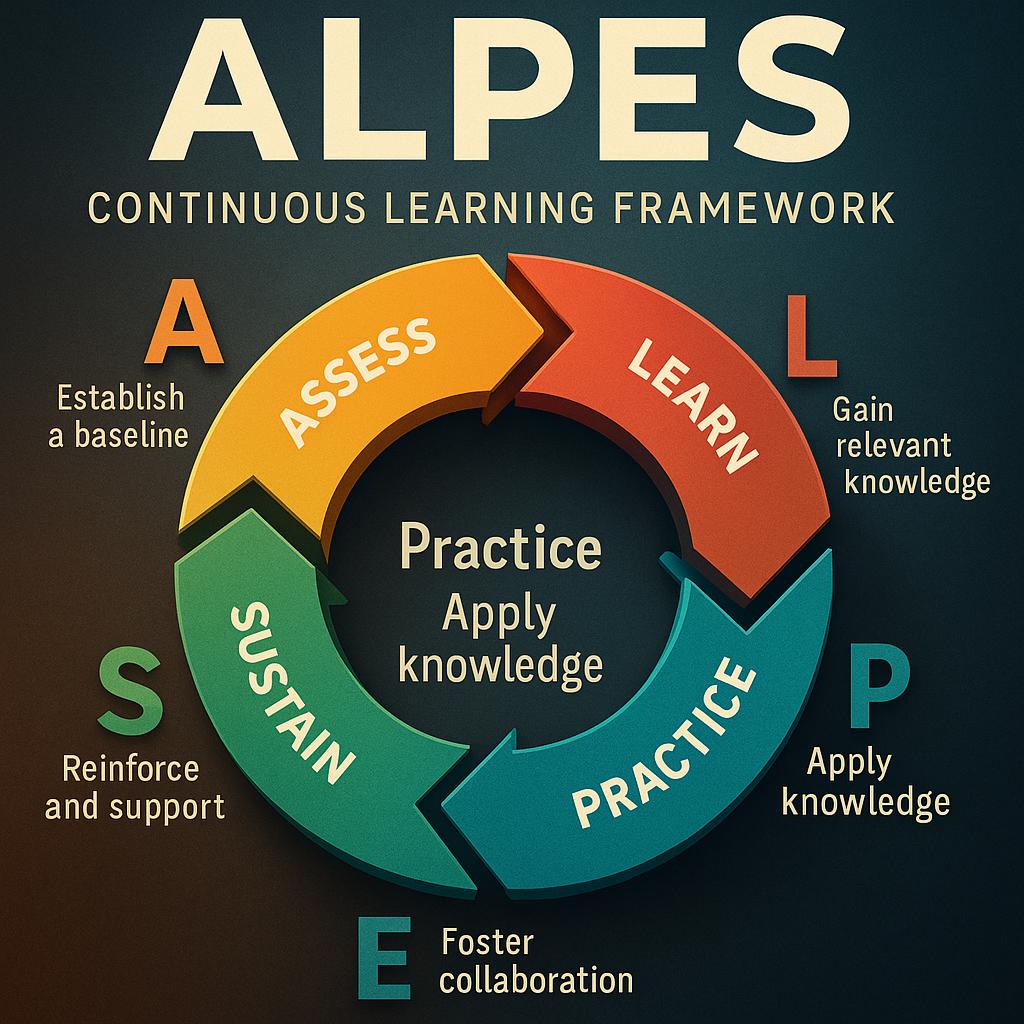
Climbing Your Mountain on Leaderly with ALPES
Leaderly
This discussion introduces Leaderly AI, a comprehensive, AI-powered continuous learning and engagement platform designed to enhance individual behaviors and team outcomes within organizations. Developed by US Army veterans, the platform utilizes the A.L.P.E.S. system (Assess, Learn, Practice, Engage, Sustain) to offer scalable, adaptive, and personalized training. Leaderly addresses challenges such as training variability and accessibility by providing microlearning content, real-time feedback, and immersive simulations that mirror real-world scenarios. Ultimately, Leaderly AI aims to improve proficiency, increase training accessibility, provide data-driven insights, and reduce training costs for various industries.
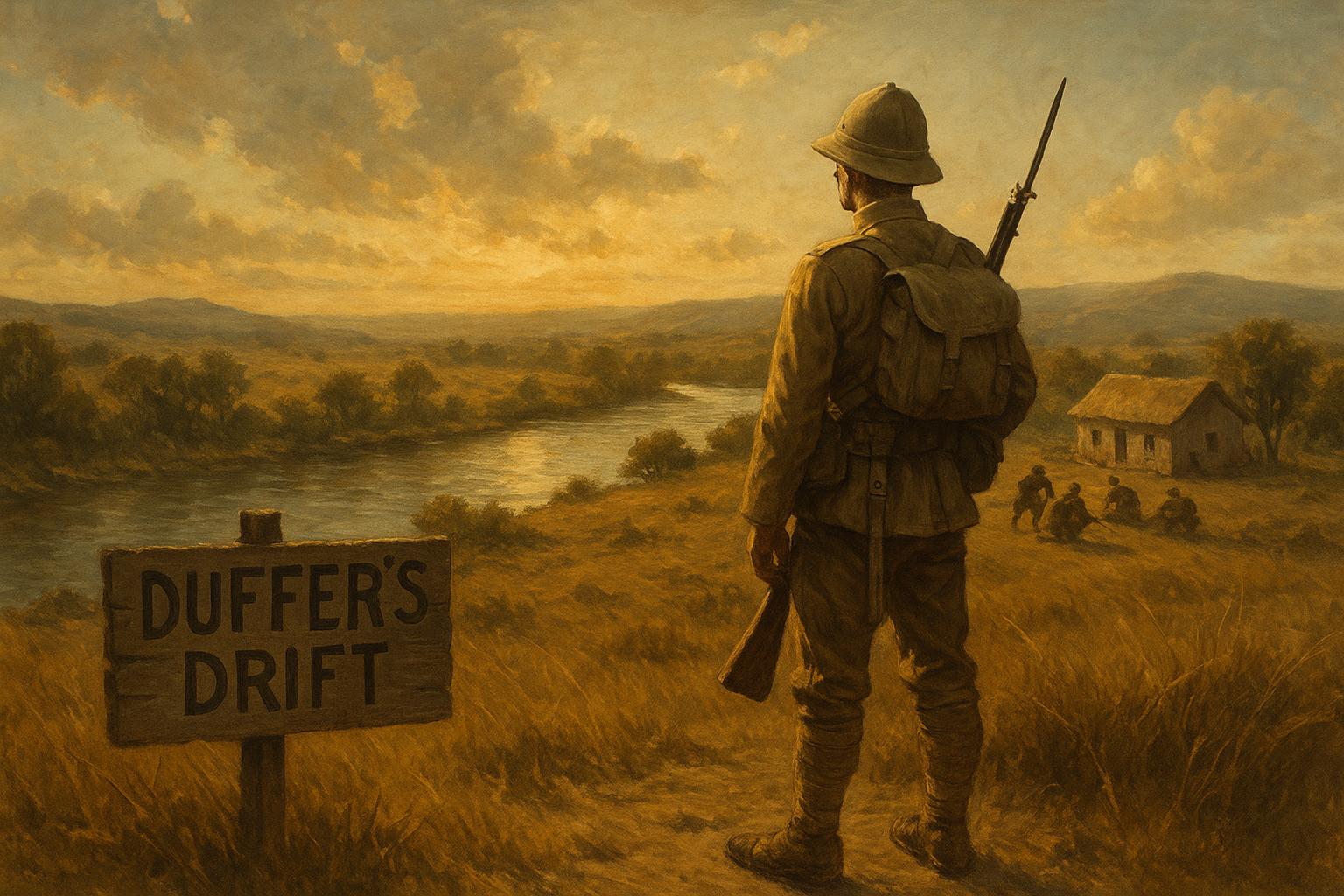
The Defence of Duffer's Drift
Ernest Dunlop Swinton
Thsis discussion describes Ernest Dunlop Swinton's classic book, "The Defence of Duffer’s Drift," which uses a series of six dreams to illustrate crucial military leadership principles. A British officer repeatedly attempts to defend a river crossing during the Boer War, failing in each dream due to different tactical or leadership oversights. Through these repeated failures, he learns essential lessons concerning complacency, security, terrain utilization, clear communication, logistical preparation, and adaptability. Ultimately, the narrative underscores that effective leadership is developed through resilience, reflection, and the integration of wisdom gained from mistakes. The discussion highlights the book's enduring value as a guide for understanding iterative learning and growth in leadership and strategy.

On Character
Stanley McChrystal
This discussion is about Stanley McChrystal's book, On Character: Choices that Define a Life, which explores the profound nature of character. The dialogue explains that character is not merely a reputation but rather the product of deeply held convictions and the discipline to live by them. McChrystal's work highlights how both major and minor decisions reveal an individual's true self, emphasizing the importance of consistency in upholding values. Furthermore, the McChrystal indicates that effective leadership stems from humility, trust, and moral courage, rather than charisma. Ultimately, the author asserts that character forms the enduring foundation of integrity, influencing personal identity, performance, and lasting legacy.
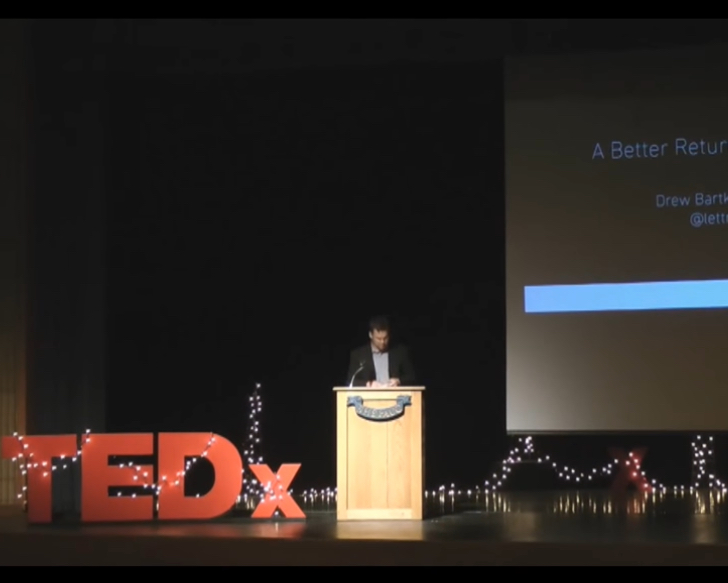
A Better Return on Words
Drew Bartkiewicz
This conversation is an excerpt from a TEDx talk by Leaderly CEO, Drew Bartkiewicz, titled "A better return on words." In this speech, Bartkiewicz reflects on his life's journey, highlighting the profound impact of meaningful words from personal letters, particularly from his grandmother, on his personal growth and understanding of "tomorrow." He contrasts this deep, personal communication with the increasing speed and superficiality of digital communication and technology, which often prioritize efficiency over genuine connection and thoughtful expression. Bartkiewicz ultimately advocates for a re-evaluation of how we use words, encouraging the audience to embrace slower, more deliberate, and impactful forms of meaningful communication to foster deeper human connection in a fast-paced world. As we lead others, do engage in those meaningful communications often enough? Do we harness the timeliness power of words to impact the lives of others?
Family Inc.
Douglas McCormiick
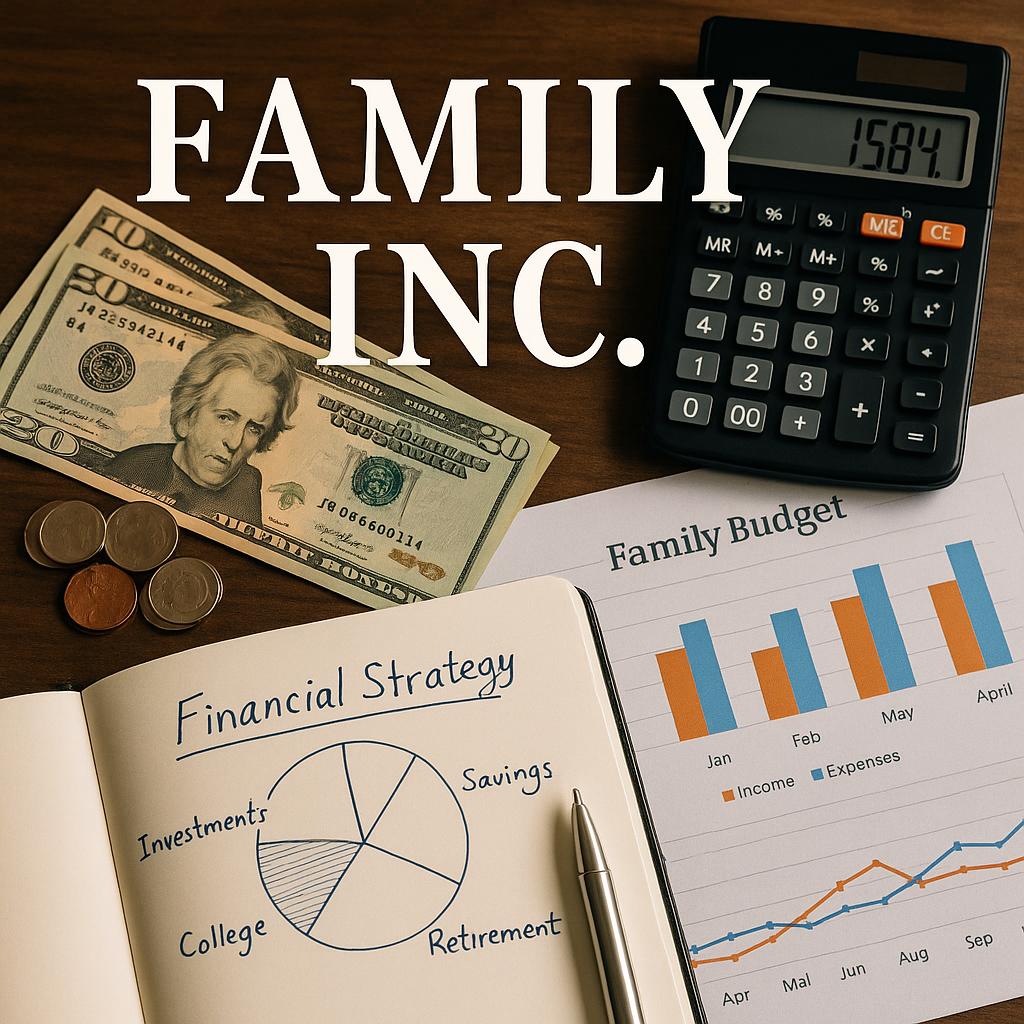
This discussion covers Douglas McCormick's "Family Inc." which proposes a novel approach to family dynamics, suggesting that households operate with the strategic mindset of a business. The discussion highlights the necessity of continuous leadership to foster financial acumen, strong communication, and adaptability within the family unit. By applying principles such as strategic vision, financial literacy, and role modeling, the author aims to equip families with the tools to navigate challenges and build a resilient foundation. Ultimately, the author advocates for a proactive and organized approach to achieving both financial stability and harmonious relationships.

Leader's Compass for Law Enforcement Professionals
Alston and Haley
This discussion introduces "The Leader's Compass for Law Enforcement Professionals" a narrative guide that traces the experiences of a newly promoted police sergeant, Adam McGraw. The dialogue illustrates effective leadership through real-life scenarios, emphasizing values-driven principles like integrity and accountability. Alston and Haley highlight that influence and persuasion are more impactful than hierarchical authority, particularly when navigating ethical complexities inherent in law enforcement. Furthermore, the discussion stresses the importance of goal orientation for organizational impact and champions a culture of continuous learning and mentorship for leader development.

The Hunchback of Notre Dame
Victor Hugo
This discussion uses The Hunchback of Notre Dame by Victor Hugo to explore leadership through moral contrasts. It highlights Quasimodo as a symbol of compassionate leadership, driven by selfless loyalty and courage. Despite his outcast status, Quasimodo’s actions reveal integrity and emotional depth. In contrast, Claude Frollo’s character showcases the corruption that stems from unchecked authority and obsession. The cathedral serves as a metaphorical and literal stage for this struggle between empathy and control. The overall message emphasizes that true leadership is rooted in character, not appearance or position.

The Phantom of the Opera
Gaston Leroux
This conversation analyzes The Phantom of the Opera by Gaston Leroux through the lens of power and leadership. It explores how the Phantom, Erik, uses fear and control to influence others, revealing the dangers of manipulative leadership. In contrast, Christine’s empathy becomes a transformative force, showing that compassion can shift even the most damaged hearts. The dialogue delves into Erik’s longing for acceptance and the role this plays in his behavior. It encourages listeners to reflect on the ethical use of influence and authority. Ultimately, it asserts that authentic leadership is rooted in connection, not coercion.