
Leader Talks
Listen to our latest Leader Talks
Short audio conversations on leadership, management, and coaching, from the Leaderly team.

Imagination Science for Leading Others
Drew Bartkiewicz
Drew Bartkiewicz’s Imagination Science for Leading Others explores how neuroscience can elevate leadership by harnessing the biological roots of imagination. The discussion emphasizes that imagination is not just creative thinking, it’s a neurological process that strengthens leadership through neuroplasticity and mental rehearsal. By engaging the brain’s Default Mode Network (DMN), leaders can access deeper insight, creativity, and innovative solutions. The dialogue highlights visualization as a performance-enhancing technique that helps individuals and teams convert stress into focus and resilience. This scientific approach reframes imagination as a measurable leadership skill rather than an abstract concept.

Self-Compassion
Kristin Neff
In Self-Compassion by Kristin Neff, true resilience is built not through perfection, but through understanding and care for ourselves in hard moments. When leaders practice self-compassion, they turn mistakes into lessons instead of shame. The discussion highlights Neff’s three pillars—self-kindness, common humanity, and mindfulness—help leaders stay grounded and empathetic, even under pressure. This approach fosters emotional balance and authentic connection with others. The more compassion leaders show themselves, the more trust, courage, and growth they inspire in their teams.

You Are a Badass
Jen Sincero
In "You Are a Badass" by Jen Sincero, we’re reminded that mindset is the foundation of every success story. Shifting from fear to self-belief isn’t just motivational talk, it’s the strategy that turns vision into action. According to the conversation, confidence grows when you decide to trust yourself and move anyway, even when doubt whispers. For leaders, self-love becomes a superpower that fuels creativity, courage, and clarity. When you lead with belief in yourself, you give everyone around you permission to believe in themselves too.

Radical Acceptance
Tara Brach
In Radical Acceptance by Tara Brach, we’re reminded that freedom doesn’t come from resisting reality—it begins when we become fully aware of it. The dialogue highlights that through mindfulness and compassion, even our most stressful moments can become sources of clarity and growth. When leaders embrace themselves without judgment, they lead with authenticity instead of fear. Acceptance becomes the ground for wise action and meaningful connection. The more we accept who we are, the more powerfully we can lead others toward the same truth.
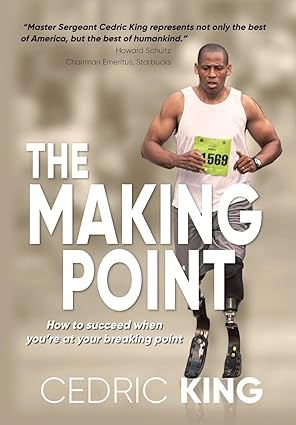
The Making Point: How To Succeed When You’re at Your Breaking Point
Cedric King
In The Making Point by Cedric King, every challenge is seen not as a breaking point, but a making point—a moment that reveals your true strength and character. The discussion underscores King’s insight that resilience isn’t innate, it’s forged through disciplined action, a strong mindset, and a clear sense of purpose. Pain becomes the teacher that sharpens empathy, focus, and perspective. The harder the climb, the clearer the view becomes. Every setback is simply preparing you to lead with greater clarity and courage.
Change: How Organizations Achieve Hard to Imagine Results in Uncertain and Volatile Times
Klotter, Akhtar Gupta
This discussion is about the book titled "Change: How Organizations Achieve Hard to Imagine Results in Uncertain and Volatile Times" which asserts that traditional change management methods are insufficient to handle the current era's rapid and complex disruption. Key themes include activating a dual operating system comprised of the formal hierarchy for stability and a fluid network for agility, and balancing "Survive" (risk mitigation) and "Thrive" (innovation) dynamics within the organization.

The Courage to Be Disliked
Ichiro Kishimi and Fumitake Koga
“The Courage to Be Disliked” by Ichiro Kishimi and Fumitake Koga applies the principles of Adlerian psychology to leadership and personal growth. The conversation emphasizes that authentic leadership is rooted in self-responsibility and the freedom to act without dependence on others’ approval. The dialogue argues that genuine happiness arises from living according to one’s own values rather than seeking external validation. A central idea, the “separation of tasks,” teaches leaders to focus only on what they can control and release what they cannot. This approach fosters clarity, confidence, and emotional balance in leadership.

Strong Ground
Brené Brown
Brené Brown’s “Strong Ground: The Lessons of Daring Leadership, the Tenacity of Paradox, and the Wisdom of the Human Spirit” highlights the deep connection between courage and humanity in effective leadership. The book’s purpose is to show how daring leaders thrive by embracing paradox—balancing vulnerability with strength. The conversation emphasizes that true power comes not from perfection but from the willingness to face uncertainty and own one’s mistakes. The dialogue underscores the importance of vulnerability as a source of connection and growth within teams.

The Let Them Theory
Mel Robbins
Mel Robbins’ “The Let Them Theory” advocates a leadership approach grounded in trust, self-awareness, and emotional composure. The core idea is that leaders should release the need to control others’ choices, behaviors, or reactions. By doing so, they cultivate emotional freedom that leads to reduced stress and greater clarity in decision-making. This mindset encourages empathy and understanding rather than micromanagement. Leaders who embrace this philosophy empower their teams to take responsibility and learn from their own experiences.

Burn the Boats
Matt Higgins
Burn the Boats by Matt Higgins explores the transformative power of full commitment in achieving success. The discussion draws from the historical idea of “burning the boats,” a metaphor for removing all fallback options to ensure total focus on victory. Higgins emphasizes that growth requires courage over comfort and a willingness to face uncertainty head-on. He explains that self-belief is not just emotion but a deliberate strategic choice that builds confidence and resilience. Leaders who fully commit without safety nets inspire the same level of conviction in their teams.
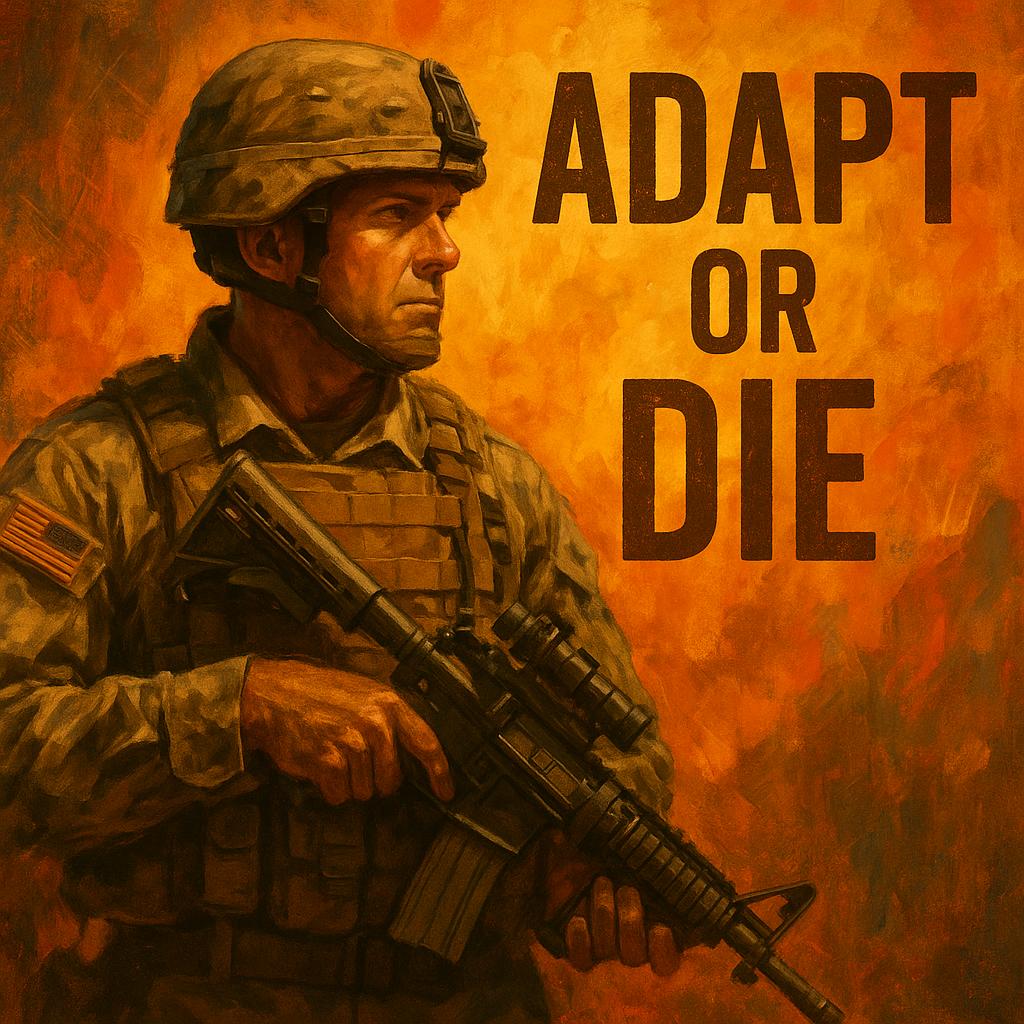
Adapt of Die: The Imperative for Creating a Culture of Innovation in the Army
Rick Lynch
This discussion provides excerpts and a detailed overview of the book "Adapt or Die: The Imperative for Creating a Culture of Innovation in the Army" by General (Ret.) Rick Lynch, which focuses on the critical need for the U.S. Army, and organizations generally, to cultivate a robust culture of innovation. Lynch argues that adaptation is essential for survival against rapidly evolving modern threats, emphasizing that true innovation extends beyond technology to encompass mindset, leadership, and organizational culture.

The Massive Move to Mobile Learning and Engagement
Drew Bartkiewicz
The conversation explores the rise of mobile learning and its influence on engagement, human growth, and leadership strategy. It emphasizes that mobile technology has become the dominant standard for education, enabling people to weave learning seamlessly into their daily routines. With accessibility at its core, mobile platforms make personal development more consistent and sustainable. The dialogue also highlights how gamification, personalization, and feedback mechanisms leverage neuroplasticity, enhancing memory, motivation, and reward-driven behaviors. Leaders are encouraged to view mobile learning not just as a tool but as a strategy to foster adaptability and resilience in teams.

The Hard Things About Hard Things
Ben Horowitz
This discussion summarizes Ben Horowitz's book, The Hard Thing About Hard Things, which serves as a frank guide to entrepreneurship and leadership based on his experiences as a Silicon Valley CEO. The core message focuses not on typical success strategies but on the brutal realities and difficult decisions required during crises and failures. The discussion also addresses the challenges of making painful choices when ideal options do not exist, emphasizing that real leadership emerges under extreme pressure.

David and Goliath: Underdogs, Misfits, and the Art of Battling Giants
Malcolm Gladwell
This discussion offers an overview and summary of Malcolm Gladwell's book, "David and Goliath: Underdogs, Misfits, and the Art of Battling Giants," which reexamines the dynamics of power and conflict. The core argument is that perceived disadvantages can often become significant advantages, allowing underdogs to triumph over stronger opponents by leveraging unique attributes and unconventional strategies. The discussion outlines five main points, including the idea that meaningful struggle fosters resilience and creativity, and that community support plays a crucial role in overcoming obstacles.

The Web of Life
Fritjof Capra
Fritjof Capra’s The Web of Life introduces systems thinking as a vital approach for leadership and sustainability. The conversation argues that all life functions as interconnected networks, from the smallest cells to vast ecosystems. This perspective challenges the traditional linear model of cause and effect, emphasizing patterns and relationships instead. By recognizing interdependence, leaders can foster balance, adaptability, and resilience within their organizations. The dialogue highlights that anticipating consequences and understanding connections are crucial for long-term sustainability.

The Jungle Book
Rudyard Kipling
This discussion is an analytical overview of Rudyard Kipling’s collection of stories, The Jungle Book, which examines its core elements and broader significance. The analysis establishes that the 1894 work is primarily an adventure and fable collection centered on Mowgli, a boy raised by wolves, but also features other stories that expand on universal values. Central to the work is the theme of the “Law of the Jungle,” which represents necessary order and discipline for survival. The analysis further explores Mowgli's internal conflict regarding identity and belonging as he navigates the tension between the human and animal worlds. Finally, the discussion highlights the importance of mentorship and contrasts between good versus evil as essential moral lessons conveyed through the animal fables.
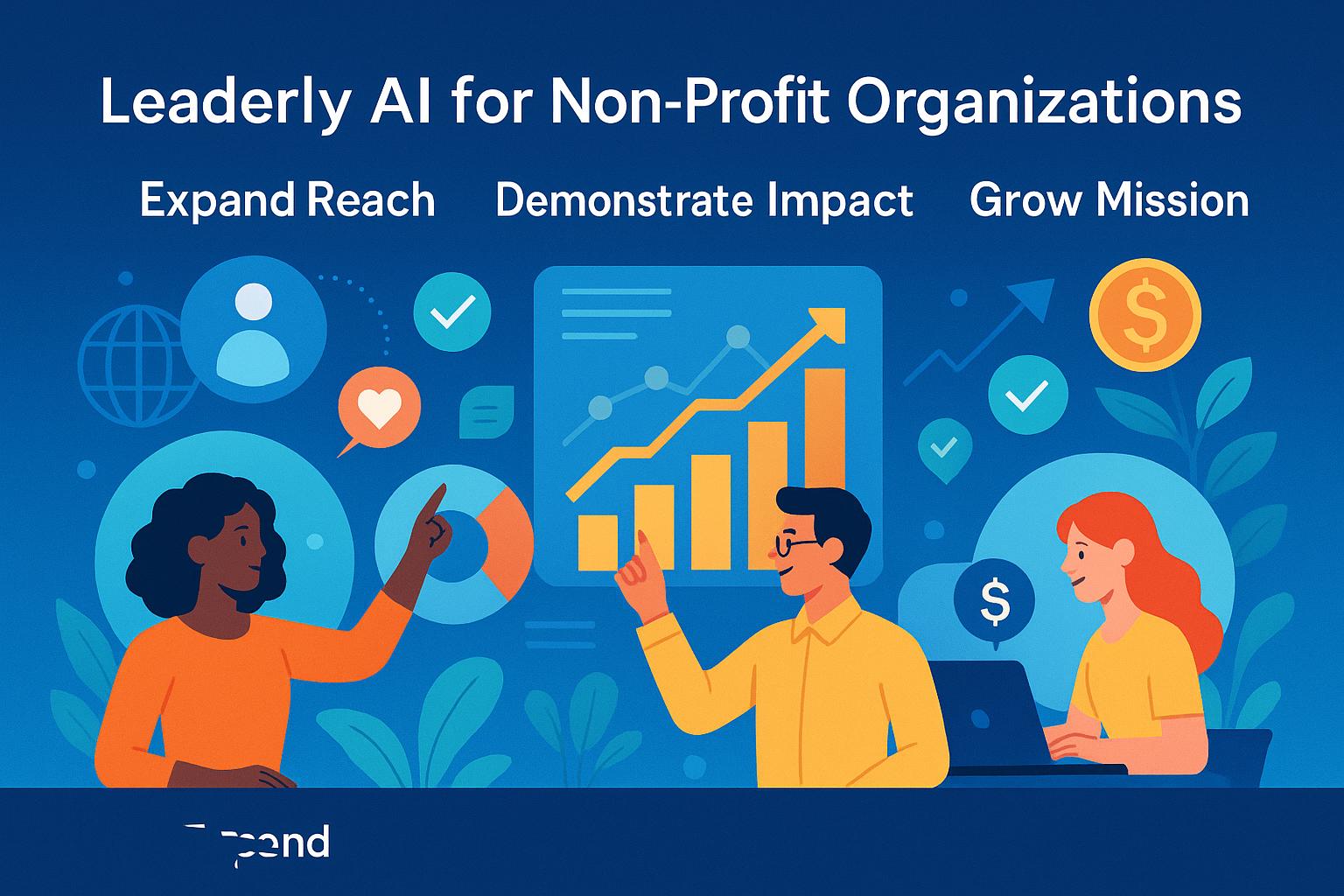
Accelerating Non-Profits with Leaderly AI
Leaderly
This discussion introduces Leaderly AI, a comprehensive solution designed to empower non-profit organizations. Leaderly AI provides three core benefits: expanding reach through accessible, personalized, and multilingual engagement; proving impact with real-time analytics and data-driven storytelling; and generating revenue via diverse strategies like donor engagement, corporate sponsorships, and fee-for-service models. Leaderly AI, a mobile-first, adaptive platform, is essential for non-profits to overcome contemporary challenges, offering a unified system to achieve measurable engagement, scalable outreach, and sustainable growth. Ultimately, Leaderly AI aims to help non-profits demonstrate their value and secure long-term success.
The Steady Leader
Schuyler Williamson
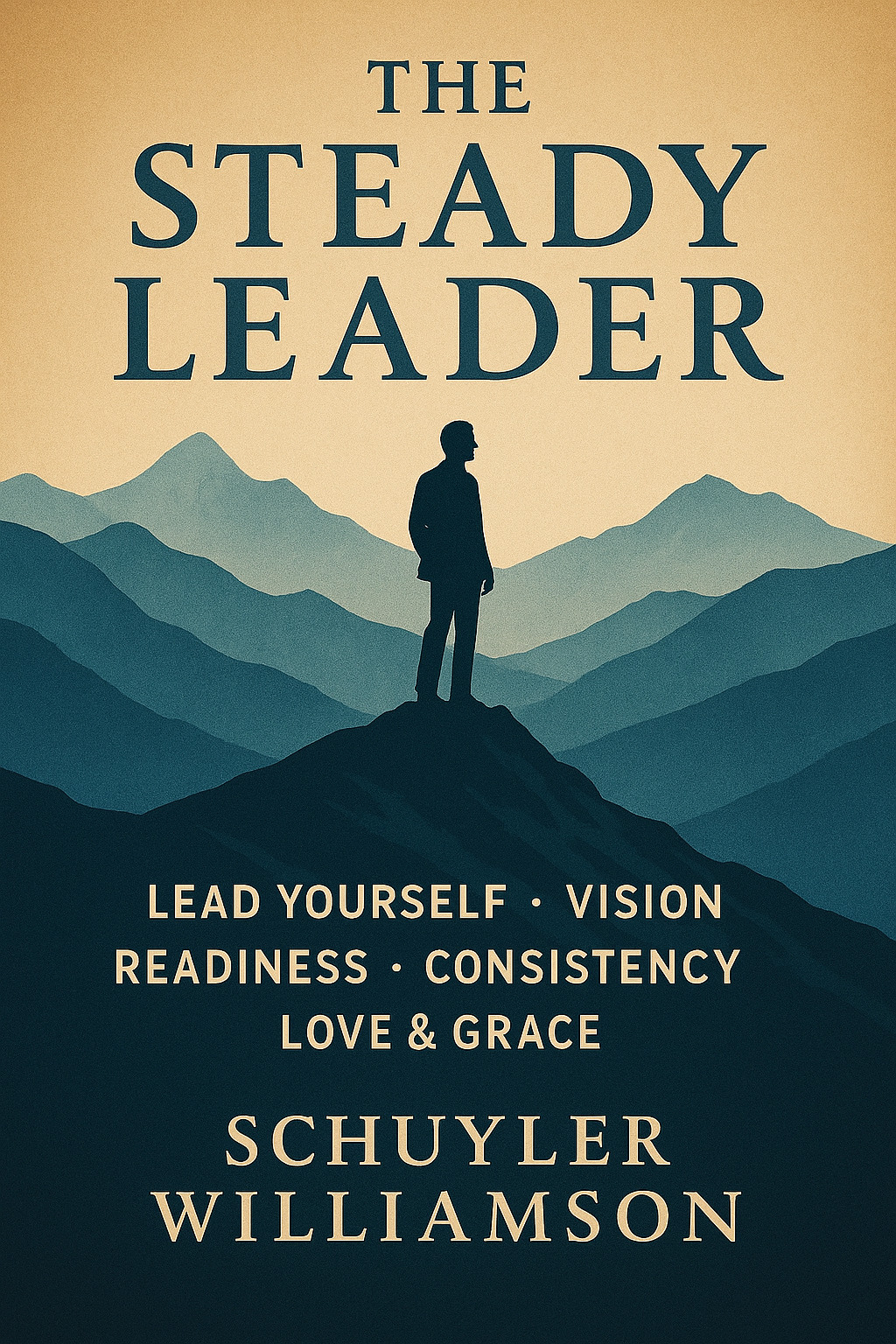
This discussion outlines Schuyler Williamson's book, "The Steady Leader: Leadership Models that Bring Clarity to Chaos" which offers a model-based framework for confident leadership in uncertain times. The book structures its guidance into leading oneself, one's team, and one's company, with a bonus section on leading one's life, all supported by practical strategies and real-world stories. Key leadership lessons from the book emphasize the importance of self-mastery, a clear vision, consistent readiness, empathetic leadership, and the scalability of leadership principles across various organizational levels. Williamson draws on his diverse background as a combat officer and entrepreneur to provide actionable advice for fostering resilience and achieving clarity in leadership. Ultimately, the discussion highlights the book's comprehensive approach to empowering leaders to thrive in complex environments.
Self!sh: Step Into a Journey of Sefl-Discovery
Stephanie Szostak
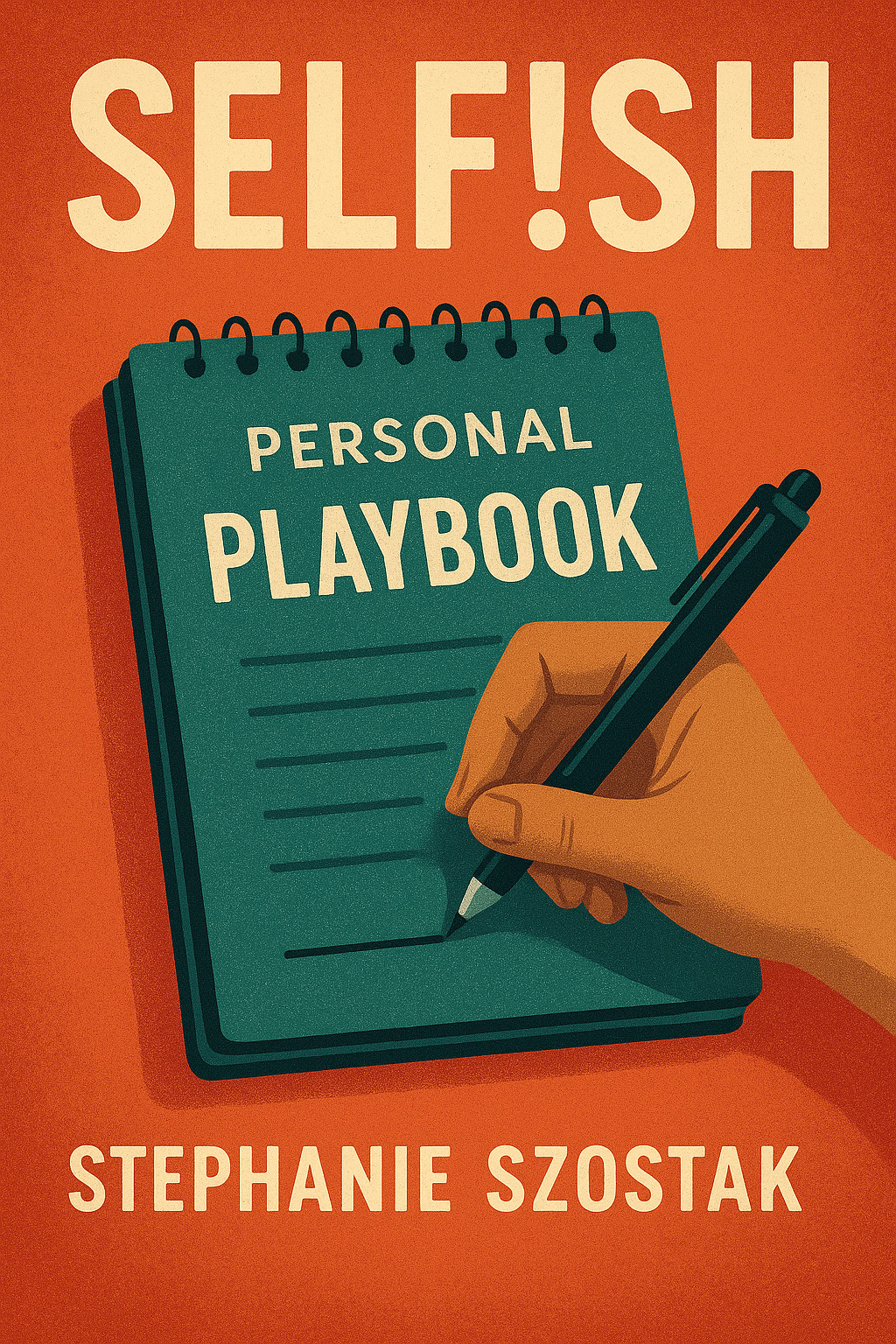
This discussion introduces Stephanie Szostak's interactive workbook, "Self!sh," which is described as a "personal playbook" designed to guide individuals through self-discovery. Szostak aims to cultivate intrinsic self-worth, clarity, and emotional resilience through eight reflective exercises. The discussion further highlights five key leadership insights derived from the book, emphasizing the importance of daily mental fitness, building a personal playbook for agility, and the power of vulnerability in fostering trust. Additionally, "Self!sh" promotes leading from intrinsic values over performance-based worth and using structured self-reflection for continuous growth. Ultimately, the dialogue showcases the workbook as a practical tool for enhancing personal and leadership effectiveness.
Curiosity: The Engine of Learning and Growth
Leaderly
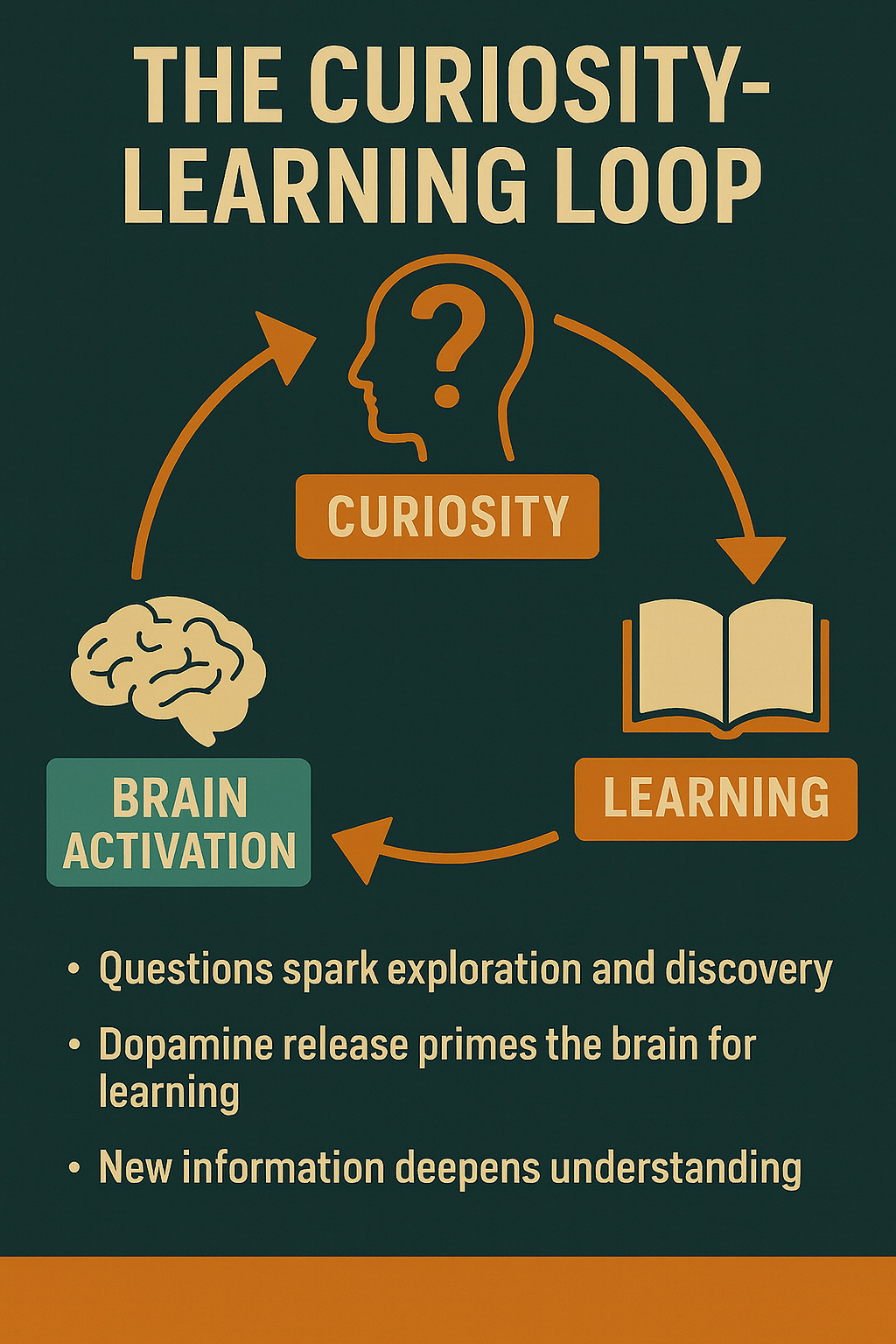
This discussion highlights the multifaceted benefits of curiosity in the learning process. Curiosity engages the brain's reward system, enhancing attention and memory recall. Furthermore, the discussion details how a curious mindset fosters active learning by prompting individuals to ask questions and seek deeper understanding, rather than passively receiving information. Curiosity expands mental connections, enabling the application of knowledge across various domains, and builds resilience by reframing challenges as opportunities for exploration. Finally, the dialogue establishes that curiosity contributes to social and emotional growth by encouraging empathy and collaboration.

The Good Life
Waldinger and Schultz
This discussion offers an overview of "The Good Life: Lessons from the World's Longest Scientific Study of Happiness," a book that synthesizes findings from the Harvard Study of Adult Development. This research, spanning many decades, reveals that strong relationships and emotional responses, rather than wealth or success, are the primary drivers of health, happiness, and longevity. The discussion also highlights five key leadership lessons, emphasizing that prioritizing trust, empathy, and presence cultivates environments that foster sustained well-being and performance. Th authors, Waldinger and Schultz also underscore the importance of resilience through adversity, the dangers of loneliness, and the enduring benefits of fostering connections at any stage of life, ultimately concluding that investing in culture and human connection is always a valuable endeavor.