
Leader Talks
Listen to our latest Leader Talks
Short audio conversations on leadership, management, and coaching, from the Leaderly team.

Breaking Cover
Michelle Rigby Assad
This discussion is about the memoir Breaking Cover which was written by former CIA officer Michele Rigby Assad. Assad offers an intimate look into her decade-long career performing undercover counterterrorism work in the Middle East. The dialogue highlights the rigorous training and psychological demands of the intelligence world while challenging typical Hollywood stereotypes of espionage. A central theme of the narrative is the intersection of Christian faith and professional duty, exploring how spiritual beliefs can provide resilience in hostile environments. Assad also addresses the specific obstacles she faced as a woman in a male-dominated field, transforming her unique identity into a strategic asset.

The Philosophy of Leadership
John Maxwell
John Maxwell’s philosophy centers on the idea that leadership begins with influence, not position. The discussion emphasizes that leaders earn trust by modeling consistency, humility, and responsibility long before they give direction. True leadership focuses on serving others, helping people rise rather than using authority to control them. The dialogue also highlights that growth is the core of leadership—leaders must grow themselves to grow their teams. Influence expands when leaders communicate clearly, connect deeply, and act with integrity.

Leadership and the Classics
Thomas McCarthy
Leadership and the Classics by Thomas McCarthy explores how timeless lessons from ancient literature shape stronger, wiser, and more grounded leaders. The conversation argues that classical works—from Greek epics to Roman philosophy to Shakespearean drama—reveal universal truths about ambition, courage, pride, and moral responsibility. McCarthy shows that leaders who study these stories deepen their understanding of human nature and become more thoughtful and empathetic. The discussion emphasizes that character and integrity are the foundation of great leadership, as demonstrated by both virtuous and flawed figures from the classics. The dialogue also highlights the importance of reflection, showing that wisdom emerges when leaders pause to examine their choices and motives.

The Agile Leader
Simon Hayward
The Agile Leader by Simon Hayward explores how leaders can thrive in complexity by embracing adaptability, learning, and collaboration. The conversation argues that traditional command-and-control leadership struggles in fast-changing environments. The discussion also emphasizes learning through experimentation, feedback, and reflection as a core leadership skill. Agile leaders remain comfortable with uncertainty and adjust strategies as conditions evolve. Trust, transparency, and empowered teams are highlighted as essential drivers of agility.

Declutter Your Mind
S.J. Scott
Declutter Your Mind by S.J. Scott focuses on reducing mental overload to improve clarity, focus, and emotional balance. The dialogue explains how constant worry, overthinking, and negative thought patterns drain mental energy. The conversation also emphasizes awareness as the first step in managing unproductive thinking. By simplifying mental habits and limiting unnecessary inputs, individuals regain control of their attention. Leaders who declutter their minds make faster, calmer, and more confident decisions.
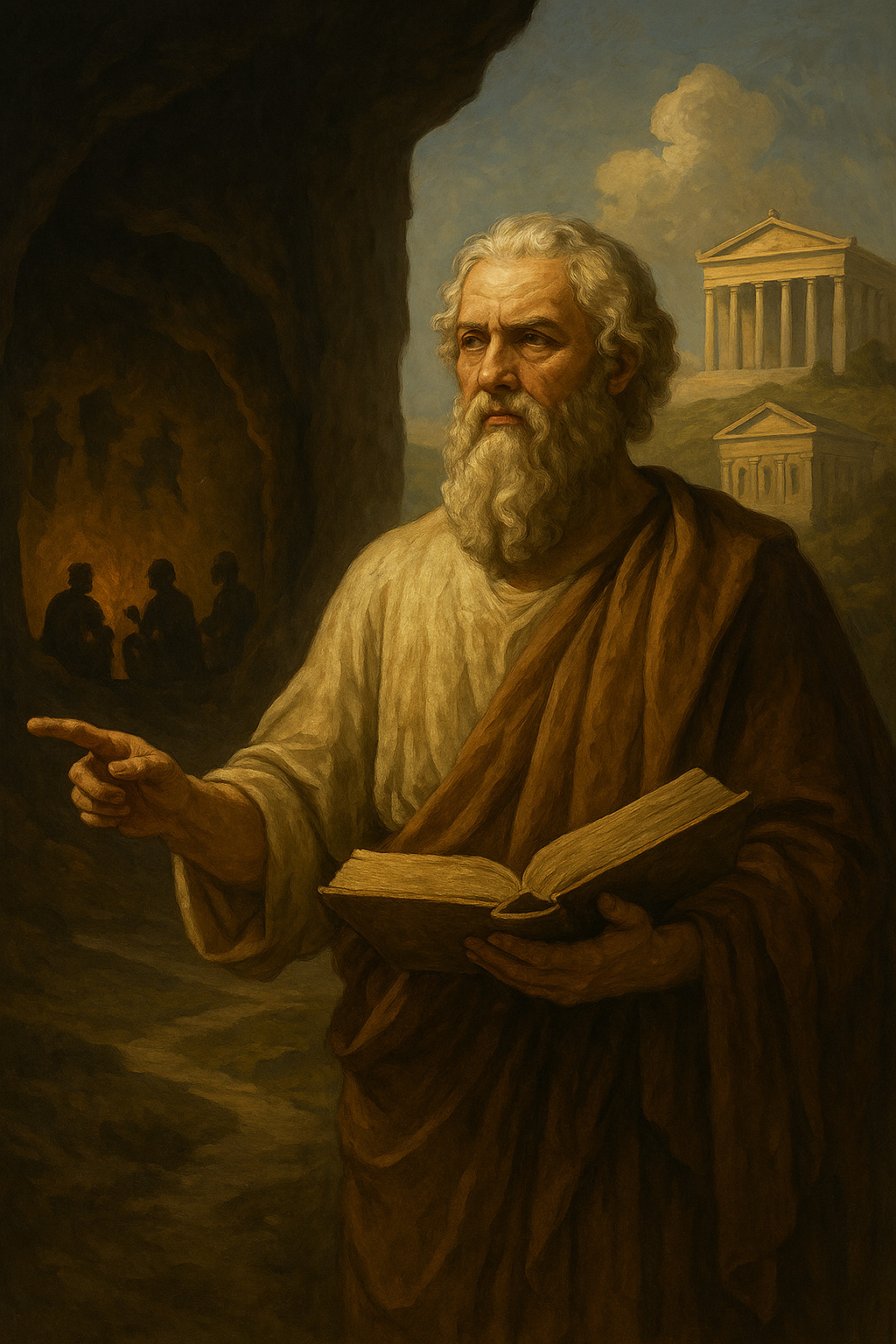
The Republic
Plato
This discussion provides an overview of Plato's foundational philosophical work, The Republic, explaining its central themes and enduring significance. Plato explores the definition of justice not as external behavior, but as harmony within the individual soul and society. Key to the book is the concept of the "Kallipolis," or ideal state, which functions justly when philosopher-kings, guided by reason and truth, are at its helm. The discussion also highlights Plato’s emphasis on education as necessary to develop moral character and order, and introduces the Allegory of the Cave to illustrate the challenges of seeking and leading others toward true enlightenment.
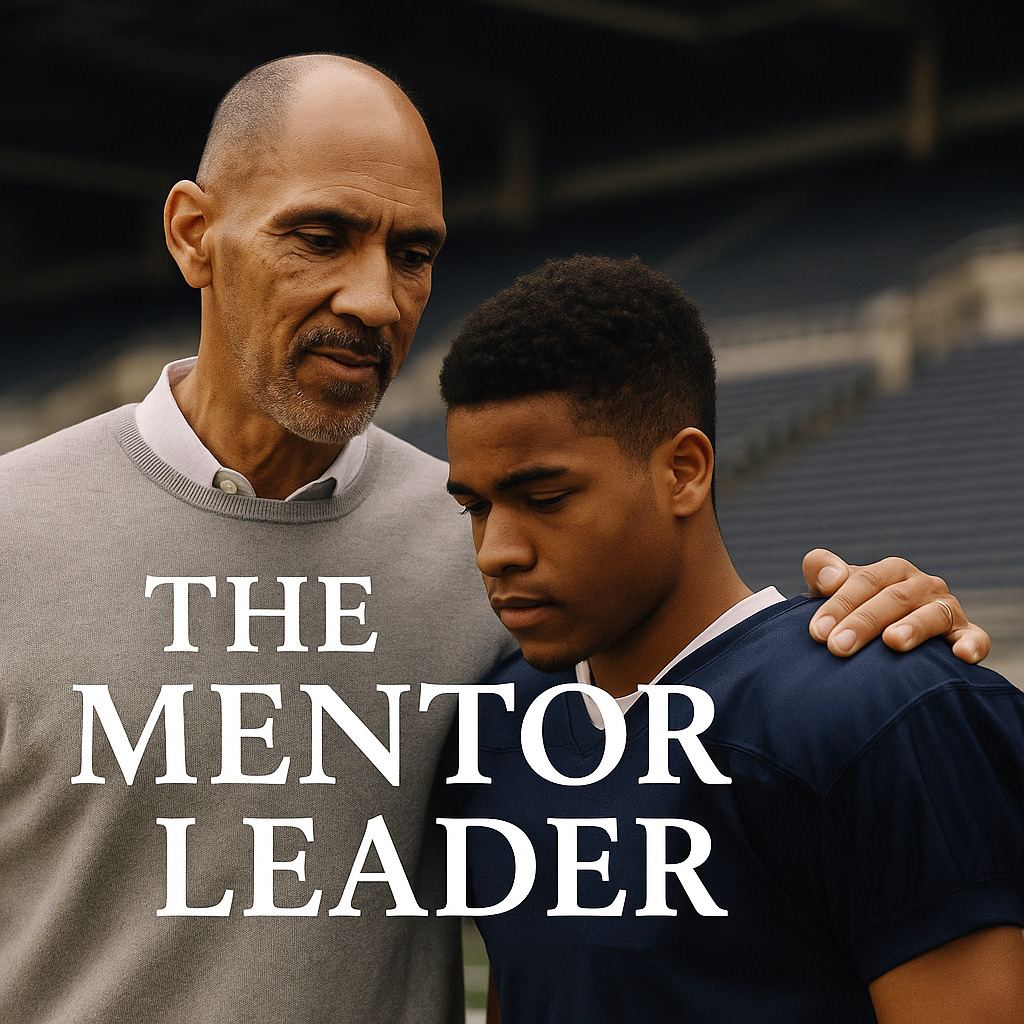
The Mentor Leader
Tony Dungy
This discussion is about Tony Dungy's book, The Mentor Leader, which outlines a leadership philosophy focused on serving, developing people, and emphasizing character over control. Dungy, a Super Bowl-winning coach, contrasts traditional command-and-control methods with an approach where integrity, trust, and accountability are central to building sustainable success. The core principles explained stress that true leadership involves prioritizing the long-term growth of individuals and that a leader's success is measured by the leaders they cultivate.
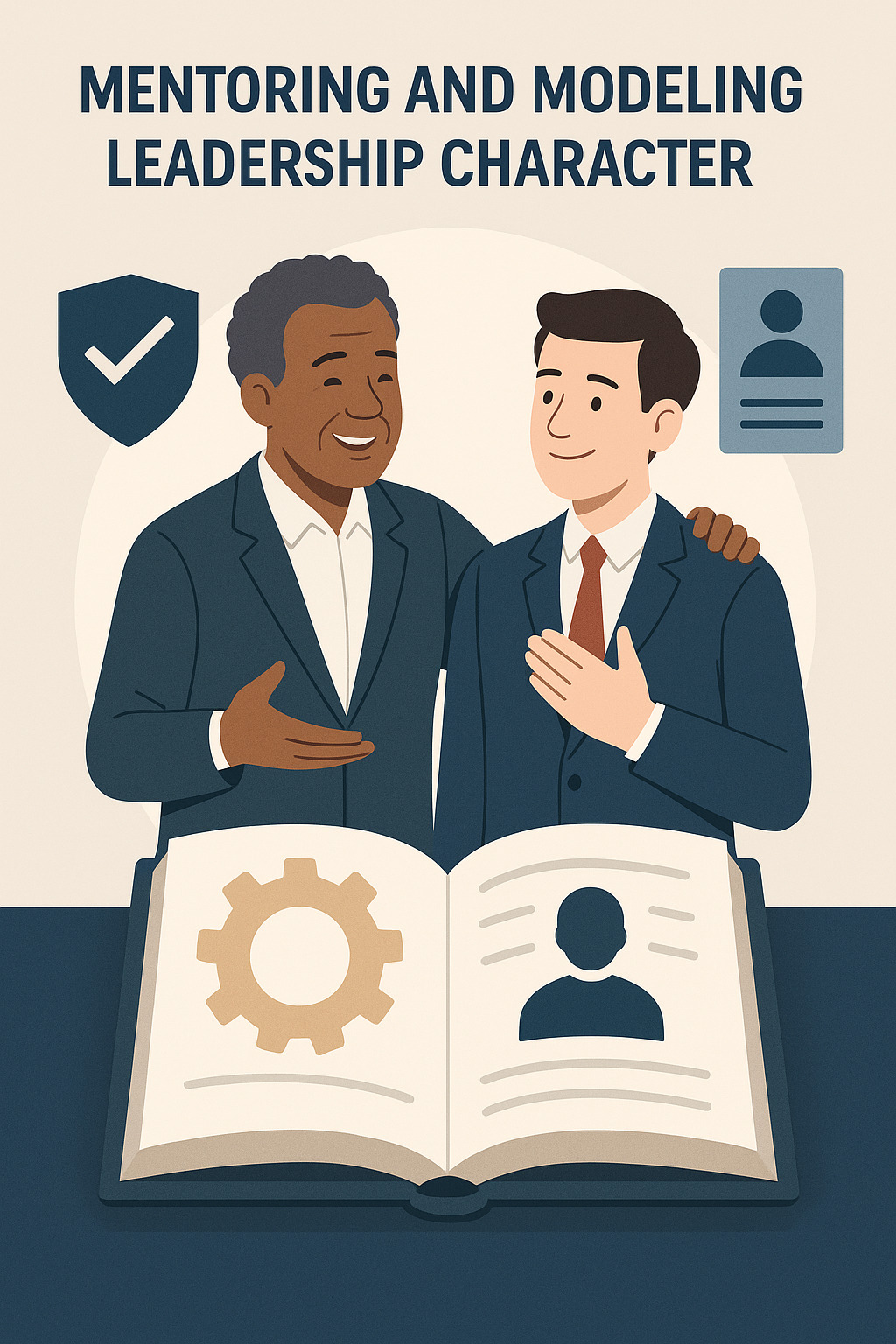
Modeling and Mentoring Leadership Character
E. Fairbanks
This discussion is about the book "Modeling and Mentoring Leadership Character" by E. Fairbanks, which asserts that leadership qualities are primarily developed through relationship and example rather than formal instruction. Fairbanks stresses that character formation is caught more than it is taught, requiring leaders to intentionally mentor and consistently model ethical conduct, especially during times of pressure or uncertainty. The dialogue outlines five main points, emphasizing that mentoring is a crucial vehicle for guiding aspiring leaders through ethical challenges and building self-awareness.

Optimal
Daniel Goleman
Optimal by Daniel Goleman explores how leaders achieve peak performance through emotional intelligence and mastery of attention. The dialogue argues that attention, not time, is the real driver of productivity and effectiveness. Leaders who can regulate emotions, focus deeply, and tune out noise create a mental environment where clarity and calm dominate. The conversation explains how inner focus (self-awareness), outer focus (relationships), and environmental focus (systems) all contribute to optimal performance. When leaders strengthen these skills, they make better decisions under pressure and inspire higher performance in their teams.

The Resilience Factor
Karen Reivich and Andrew Shatte
The Resilience Factor by Karen Reivich and Andrew Shatte explores how resilience can be learned and strengthened to improve leadership and personal effectiveness. The conversation explains that leaders who manage stress and respond flexibly to setbacks are better able to guide their teams through challenges. Key strategies include cognitive reframing, emotional regulation, and identifying unhelpful thought patterns. The dialogue emphasizes that resilience is not just innate but can be cultivated through proactive habits, goal-setting, and social support. Leaders who practice these skills maintain clarity, confidence, and steady performance under pressure.

Thanks for the Feedback
Stone and Heen
This discussion is about Stone and Heen's book entitled "Thanks for the Feedback" which outlines a practical framework for mastering the critical skill of receiving feedback, shifting the focus away from the giver and onto the receiver's capacity for growth. This methodology clarifies that confusion often arises because feedback falls into three distinct categories—Appreciation, Coaching, and Evaluation—which serve different functions and must be correctly identified. To prevent defensiveness, the reader must learn to recognize and manage three powerful internal blocks: Truth triggers (rejecting the content), Relationship triggers (rejecting the source), and Identity triggers (rejecting threats to self-image).
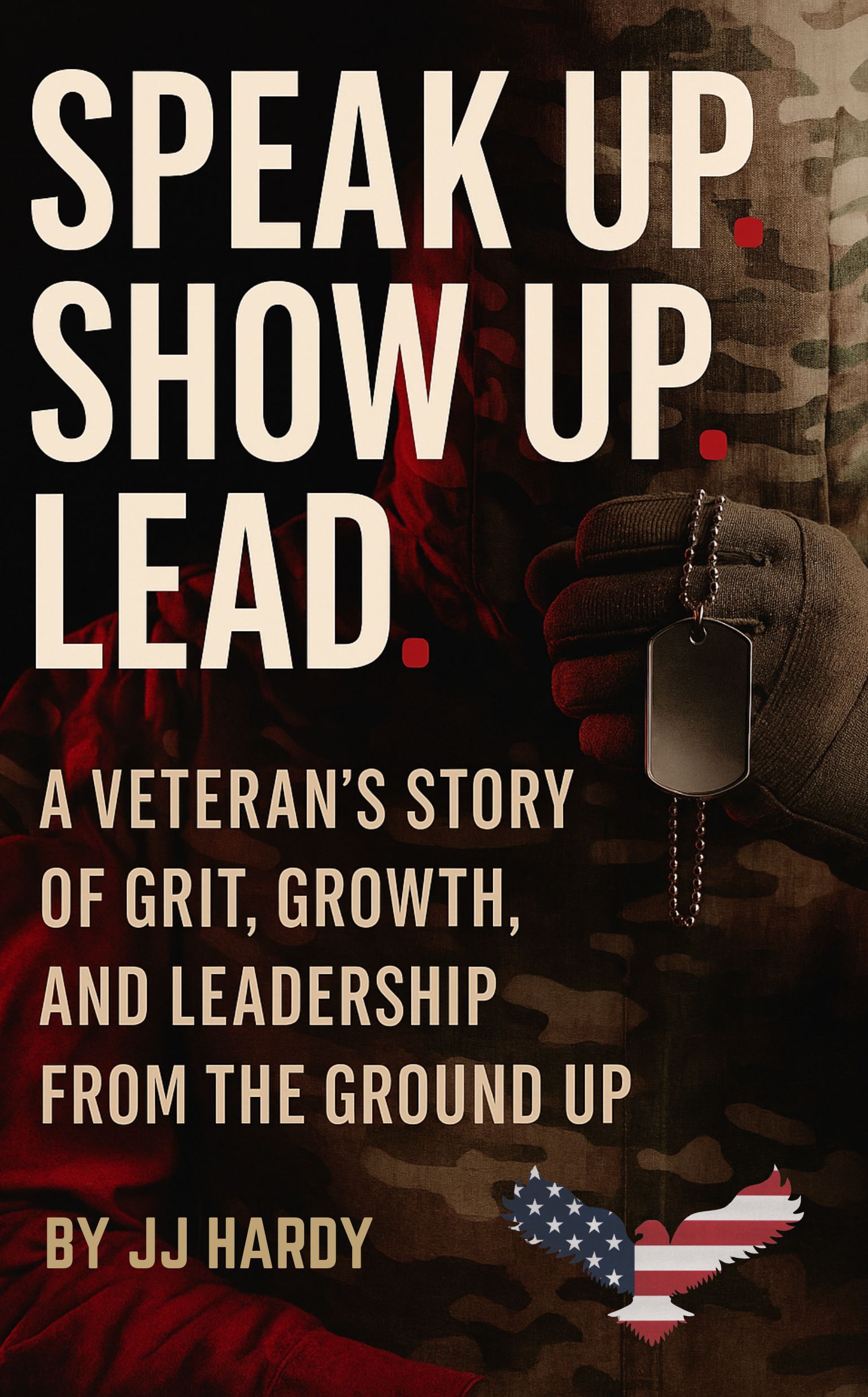
Speak Up, Show Up, Lead
JJ Hardy
Speak Up, Show Up, Lead, outlines three core concepts necessary for developing authentic, ground-up leadership. The dialogue explains that true leadership is built on grit and resilience, emphasizing that facing adversity, rather than avoiding it, builds the necessary foundation for trust and influence. Furthermore, the conversation argues that adopting ownership transforms followers into leaders, requiring individuals to take full responsibility for their process, behavior, and daily contribution. Finally, the discussion highlights that leadership is a daily discipline, not solely a title, requiring intentional habits and consistent action long before any formal promotion is received.

Hidden Figures
Leaderly
Hidden Figures explores how Katherine Johnson, Dorothy Vaughan, and Mary Jackson embodied transformative leadership at NASA. It underscores that perseverance and excellence enabled them to overcome systemic barriers and discrimination. Their quiet strength, rooted in competence and integrity, demonstrated that true leadership does not always require authority, it thrives through action and example. The conversation reveals how mastery and moral character can inspire change even in rigid systems. Moreover, the dialogue emphasizes that advocacy and inclusion are essential responsibilities of effective leaders.

Top Gun: Maverick
Leaderly
Top Gun: Maverick illustrates essential leadership principles. The discussion emphasizes that true leadership requires courage under pressure and the ability to take calculated risks when stakes are high. Adaptability and continuous learning are highlighted as critical traits for leaders facing constant change and new challenges. The dialogue also explores how teamwork and mutual trust enable teams to perform effectively in demanding environments. Through Maverick’s example, the conversation shows that leadership extends beyond technical skill, it’s about inspiring confidence and empowering others.

On Fire: The 7 Choices to Ignite a Radically Inspired Life
John O'Leary
This discussion provides an overview of John O'Leary's motivational book, “On Fire: The 7 Choices to Ignite a Radically Inspired Life,” which blends memoir and self-help guide by chronicling his survival of catastrophic childhood burns. The dialogue posits that how one chooses to respond to adversity is far more crucial than the suffering endured, structuring its guidance around seven pivotal life-choices for living an inspired life. The discussion also outlines key takeaways, emphasizing that purpose can emerge from pain and that significant contribution should take precedence over mere personal success.

Saving Private Ryan
Robert Rodat
This discussion provides an analysis of the film Saving Private Ryan, examining it not only as a historical war drama but as a resource for leadership instruction. The dialogue summarizes the plot, which follows Captain John Miller’s difficult mission during World War II to locate and save the last surviving Ryan brother after his siblings have been killed in action. The discussion focuses on five specific leadership lessons derived from Miller’s actions, emphasizing the importance of leading with purpose, acting with courage despite fear, and earning respect through integrity and competence.

Hustle
Will Fetters and Taylor Materne
This discussion consists of an analysis of the 2022 Netflix sports drama, "Hustle," written by Will Fetters and Taylor Materne. This overview summarizes the film's plot, which follows Stanley Sugerman, a basketball scout who risks his career to mentor Bo Cruz, an unrefined international talent. The central focus is the extraction of five key leadership lessons from the narrative, emphasizing that effective leadership stems from mentorship, belief, resilience, accountability, and the courage to take risks for others.
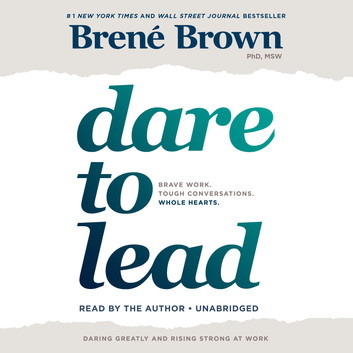
Dare to Lead: Brave Work, Tough Conversations, Whole Hearts
Brené Brown
In Dare to Lead, Brené Brown redefines leadership through the lens of courage, trust, and authenticity. She reminds us that vulnerability isn’t a weakness, it’s the birthplace of connection, innovation, and strength. Through her BRAVING framework, Brown outlines how trust is built on boundaries, reliability, and integrity practiced consistently over time. The discussion emphasizes that clear communication matters more than comfort, especially in hard conversations. True leaders choose transparency over avoidance and empathy over ego. When courage and vulnerability coexist, workplaces become spaces where people feel safe to show up fully and lead bravely together.
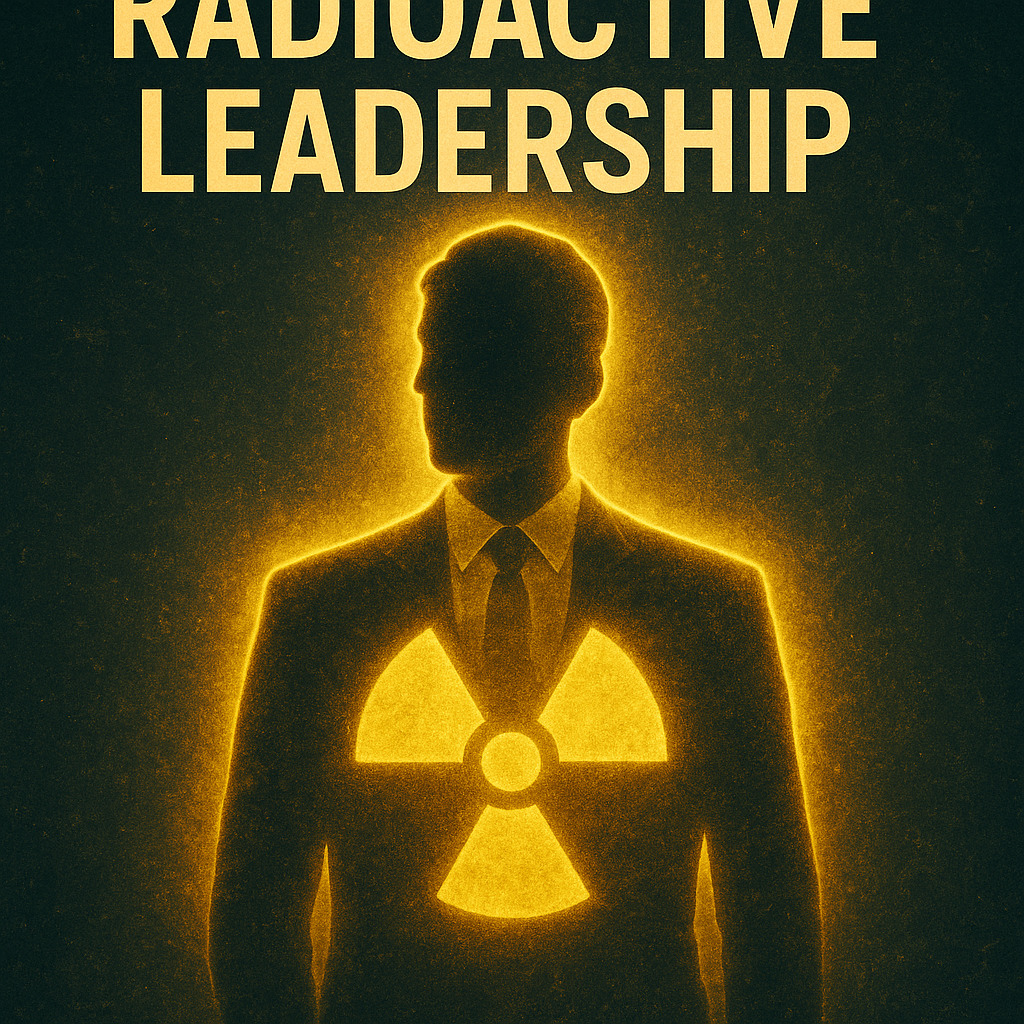
Radioactive Leadership
Roy Alston
This discussion provides excerpts from a book entitled "RadioActive Leadership: Influence, Excellence, and Energy" by Roy Alston, which describes leadership as a powerful force that projects outward from the individual. Alston establishes that leadership is not restricted to formal authority but is instead rooted in one's ability to influence others positively through example and attitude. The core tenets emphasize that cultivating excellence is a continuous habit, not an isolated incident, and that a leader's positive energy and mindset are highly contagious within an organization.

The Gifts of Imperfection
Brené Brown
In The Gifts of Imperfection, Brené Brown redefines what it means to lead and live with courage. The conversation reminds us that real bravery isn’t about perfection, it’s about showing up as our true selves, even when it feels uncomfortable. Through vulnerability and authenticity, leaders create the psychological safety that allows teams to innovate and connect deeply. The dialogue emphasizes that shame resilience is essential for trust and belonging in any organization. Wholehearted leadership, she explains, is a daily practice of empathy, self-compassion, and courage. When we embrace our imperfections, we open the door to creativity, connection, and lasting impact.

The Six Pillars of Self-Esteem
Nathaniel Branden
The Six Pillars of Self-Esteem builds on Nathaniel Branden’s influential framework, linking self-esteem to authentic and principled leadership. The discussion explains that self-esteem functions as the “immune system of consciousness,” protecting leaders from insecurity and dependence on external validation. The six pillars—such as living consciously, practicing self-acceptance, and maintaining personal integrity—are presented as daily disciplines that strengthen inner stability and ethical judgment. By cultivating these habits, leaders gain the confidence to make difficult decisions grounded in values rather than fear.